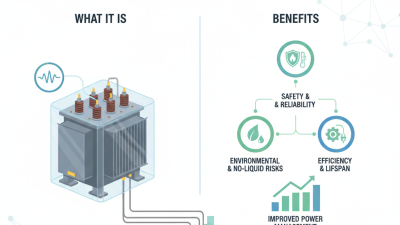
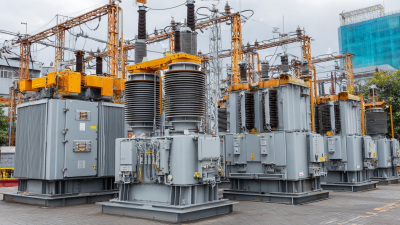
In the fast-changing world of electrical engineering, choosing between ONAN and ONAF oil transformers is pretty important if you want things to run smoothly and efficiently. I mean, experts like Dr. James Anderson from Global Energy Solutions have pointed out how big of a deal this decision really is. He’s quoted as saying, 'Picking the right Oil Type Transformer can seriously impact not just how long your equipment lasts, but also how much you end up spending on operations.' So, understanding the basics — like the differences between ONAN (Oil Natural Air Natural) and ONAF (Oil Natural Air Forced) — is key for anyone looking to make smart choices tailored to their specific setups.
Basically, the ONAN design cools itself through natural oil and air circulation, which works pretty well if your heat output isn’t excessive. On the flip side, ONAF amps up cooling by forcing air through, making it better suited for higher loads and more demanding thermal conditions. As Dr. Anderson puts it, 'Figuring out your operational needs will help you decide whether a passive cooling system, like ONAN, is enough, or if you’d benefit from a more active approach like ONAF.' When you take into account factors like load levels, where the transformer is installed, and maintenance ease, it becomes easier to pick the right type — ultimately leading to better performance and reliability in your electrical system.

Understanding the Basics of Transformer Oil Types
When selecting between ONAN (Oil Natural Air Natural) and ONAF (Oil Natural Air Forced) oil type transformers, it’s essential to understand the fundamentals of these transformer designs and their operational characteristics. ONAN transformers rely on natural circulation of oil for cooling, making them suitable for applications with a lower load. According to a report from the IEEE, ONAN transformers typically operate at lower temperatures, which can enhance the lifespan of the insulating materials. This is crucial for installations where ambient temperatures are controlled and loads are predictable, as it minimizes wear on components.
In contrast, ONAF transformers utilize forced air cooling to enhance efficiency under high load conditions. By circulating the cooling oil through radiators, ONAF transformers can dissipate heat more effectively, which allows them to operate at load levels that exceed those of ONAN transformers. Research from the Electric Power Research Institute indicates that ONAF designs can handle significantly higher loads, making them ideal for high-demand environments such as industrial applications or urban substations where reliability and performance are paramount. The choice between these two types ultimately hinges on specific operational demands, load variances, and environmental considerations, ensuring that the selected transformer aligns with the overall system efficiency and reliability goals.
How to Choose Between ONAN and ONAF Oil Type Transformers for Your Needs?
| Feature | ONAN Transformers | ONAF Transformers |
| Cooling Method | Natural convection | Natural and forced circulation |
| Efficiency | Moderate efficiency | Higher efficiency due to forced cooling |
| Cooling Capacity | Lower cooling capacity | Higher cooling capacity for larger installations |
| Application | Ideal for smaller installations | Suitable for larger and more demanding installations |
| Maintenance | Generally requires less maintenance | May require more maintenance due to moving parts |
Comparing ONAN and ONAF Cooling Methods
When selecting between ONAN and ONAF transformers, a crucial consideration is their cooling methods. ONAN, which stands for Oil Natural Air Natural, relies on natural convection for heat dissipation. This method uses the surrounding air to cool the transformer’s oil, allowing heat to escape gradually. It is suitable for environments where the temperature isn't excessively high and can operate efficiently without additional cooling mechanisms. However, the effectiveness of ONAN cooling can be limited, particularly in hot climates or for larger power ratings, where heat buildup may exceed the natural cooling capabilities.
In contrast, ONAF transformers employ a more active cooling strategy by using an oil forced air cooling system. This method enhances heat transfer due to the circulation of oil, increasing the rate at which excess heat is removed from the core. As a result, ONAF transformers can handle higher loads and operate in more demanding conditions without overheating. This makes them ideal for applications requiring higher power outputs or in environmentally challenging setups.
Ultimately, the choice between ONAN and ONAF should hinge on the specific cooling requirements dictated by the operational environment and load conditions, ensuring optimal performance and reliability.
Evaluating Power Capacity Requirements for Transformers
When selecting between ONAN and ONAF oil type transformers, one of the primary considerations is evaluating the power capacity requirements for your specific application. Power capacity is a critical factor that dictates the efficiency, reliability, and lifespan of your transformer. Understanding the load characteristics—such as the type of loads (continuous, intermittent, or dynamic), their power factor, and the potential for future expansion—is essential. Conducting a thorough load analysis not only ensures that the chosen transformer can handle current demands but also prepares for unforeseen increases in capacity.
Moreover, aligning your transformer choice with the power capacity requires careful consideration of the operational environment. For instance, ONAF transformers, which feature enhanced cooling capabilities, are more suitable for applications that experience higher thermal stress. Assessing the ambient temperature, installation location, and ventilation conditions plays a pivotal role in determining whether a less robust design could suffice or if a more capable product like ONAF is necessary. By strategically evaluating these factors, you can make an informed decision that optimally meets your power needs while maintaining safety and operational efficiency.
Comparison of ONAN and ONAF Oil Type Transformers
Assessing Environmental Conditions and Installation Locations
When choosing between ONAN and ONAF oil type transformers, assessing the environmental conditions and installation locations is crucial. Factors such as temperature, humidity, and potential exposure to contaminants play a significant role in determining the most suitable transformer type. For instance, ONAN transformers, which rely on natural air cooling, may be more appropriate for installations in temperate climates with stable conditions. Conversely, ONAF transformers utilize oil to enhance cooling and are better suited for regions experiencing extreme temperatures or where higher operational efficiency is required.
Tips: Always evaluate the potential for environmental factors to impact transformer performance. Conducting a thorough assessment of the proposed installation site, noting things like proximity to water sources, vegetation, and urban development, can provide deeper insights into the reliability and durability of the chosen transformer type.
Additionally, consider the installation location's accessibility for maintenance and monitoring. Selecting a site that allows for easy access can reduce downtime and improve servicing efficiency. Ensure that the chosen location adheres to safety regulations and has enough room for any required auxiliary equipment, which will facilitate optimal operation of your chosen transformer type.
Cost Considerations for ONAN vs ONAF Transformers
When considering the cost implications of choosing between ONAN and ONAF transformers, it is essential to factor in not only the initial purchase price but also the long-term operational expenses. ONAN transformers, which operate with natural air cooling, tend to have lower upfront costs compared to ONAF transformers that utilize forced air cooling systems. This initial cost advantage makes ONAN a more appealing option for smaller operations or those with limited budgets. However, the overall efficiency and cooling capabilities of ONAF transformers can lead to reduced energy costs over time, making them a more economical choice in larger applications or environments where temperature management is critical.
Furthermore, maintenance and operational costs should also play a significant role in your evaluation. ONAN transformers generally require less complex maintenance due to their simpler cooling system, which can save you time and money in the long run. In contrast, while ONAF transformers may involve more intricate maintenance due to their forced cooling mechanisms, they can provide greater reliability and lifespan, potentially offsetting their higher initial costs. Ultimately, a comprehensive cost assessment, incorporating both upfront and ongoing expenses, will help determine the most suitable transformer type for your specific needs.
Maintenance and Longevity of Different Oil Types
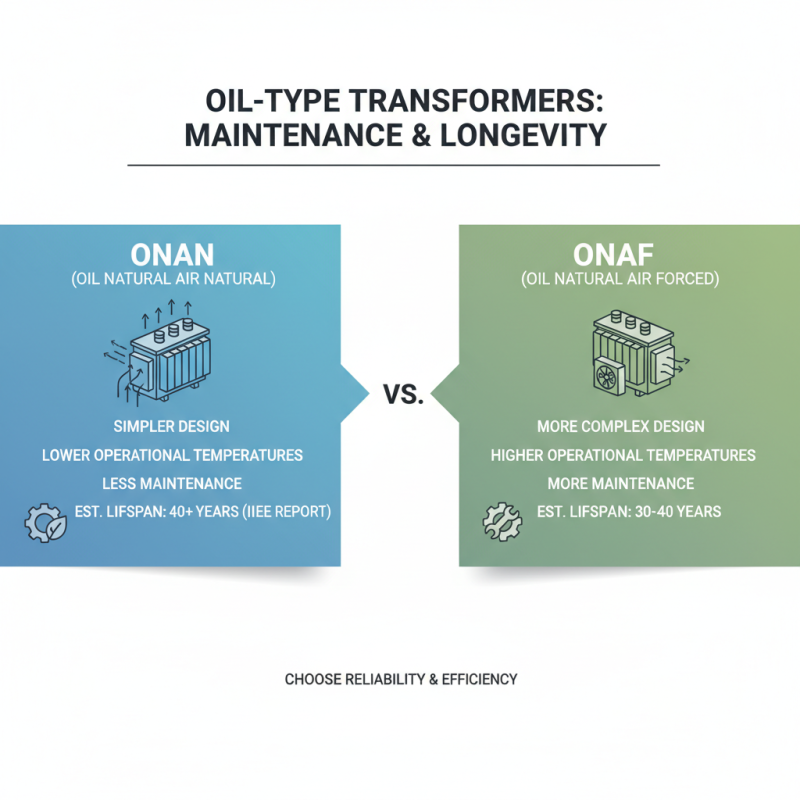
When selecting between ONAN (Oil Natural Air Natural) and ONAF (Oil Natural Air Forced) oil type transformers, it is crucial to consider the maintenance and longevity associated with each type of transformer. ONAN transformers, which use natural convection for cooling, generally require less maintenance due to their simpler design and lower operational temperatures. According to a report from the IEEE, ONAN transformers can achieve a lifespan of 40 years or more with proper maintenance, primarily because of their ability to operate efficiently under lower thermal stresses.
In contrast, ONAF transformers utilize forced air cooling, enabling them to handle higher loads and operate at elevated temperatures. While this can lead to improved performance and efficiency in high-demand scenarios, it also translates to increased maintenance requirements. A study by the Electric Power Research Institute (EPRI) highlighted that although ONAF transformers can reduce operating costs due to their higher capacity, they may necessitate more frequent inspections and potential repairs, reducing overall longevity to approximately 30 years under similar conditions. Therefore, the choice between ONAN and ONAF should be influenced not only by immediate power needs but also by long-term maintenance considerations and operational costs associated with each oil type.
Making the Final Decision: Key Factors to Consider
When choosing between ONAN (Oil Natural Air Natural) and ONAF (Oil Natural Air Forced) oil type transformers, several key factors should guide your final decision. Firstly, consider the cooling efficiency required for your specific application. ONAN transformers rely solely on natural air circulation for cooling, making them suitable for smaller applications or environments with moderate temperature demands. According to industry reports, ONAN units generally have a lower thermal rating and might operate efficiently at lower loads but can face challenges under high-demand situations, potentially reducing lifespan and efficiency.
Conversely, ONAF transformers utilize forced air for cooling, allowing them to handle higher loads and deliver improved performance in demanding scenarios. Data from the IEEE Power and Energy Society suggests that ONAF transformers can offer up to 30% higher capacity compared to ONAN units, making them ideal for large industrial applications where energy demands fluctuate significantly. However, they do require additional infrastructure for cooling, which may lead to increased initial costs and maintenance considerations.
Additionally, site conditions and available space play a crucial role in your decision-making process. If space constraints limit the type of cooling systems you can implement, or if noise and environmental factors are a concern, ONAN transformers may present a more suitable choice. In contrast, for environments where power stability and peak loads are commonplace, ONAF transformers might provide the necessary reliability and efficiency, thus influencing the overall operational costs in the long run.
Comprehensive Guide to Single Phase Pole Mounted Transformers—Understanding 15KVA Specifications and Applications
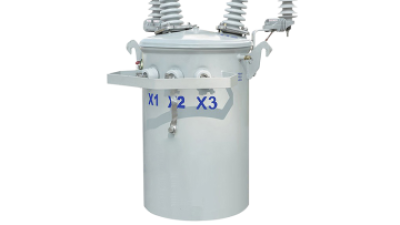
When it comes to Pole Mounted Transformers, understanding the specifications and applications of single-phase units is crucial for utility and distribution purposes. A 15KVA transformer, for instance, is designed to efficiently step down primary voltages—usually rated at 12470 Delta V—to secondary voltages of 120/240V. This voltage transformation is essential for ensuring that electrical power can be safely and effectively delivered to residential or commercial establishments.
The design features of a pole mounted transformer are tailored to meet various operational demands. It typically comes with a high voltage tap range of ±2*2.5%, allowing for some flexibility in voltage adjustments based on changing load conditions. Such versatility is essential for maintaining system reliability, especially in areas where load variability is common. Additionally, these transformers are built to meet industry standards, including IEEE C57.12.20 and ANSI C57, ensuring compliance with established safety and performance criteria. The Basic Insulation Level (BIL) ratings of 95/30kV further reinforce the transformer’s durability in harsh environmental conditions, making it a dependable choice for utility operations.
FAQS
ONAN transformers are preferable in installations with controlled ambient temperatures and predictable loads, as they typically operate at lower temperatures, enhancing the lifespan of insulating materials.
ONAF transformers can manage significantly higher loads due to their enhanced cooling capabilities, making them suitable for high-demand settings like industrial applications and urban substations.
Key factors include the type of loads (continuous, intermittent, or dynamic), their power factor, the potential for future capacity expansion, and the operational environment such as ambient temperature and ventilation conditions.
ONAN transformers generally have lower initial purchase costs, while ONAF transformers may have higher upfront costs but can lead to reduced energy costs and greater efficiency in larger applications.
ONAN transformers typically require simpler maintenance due to their basic cooling systems, while ONAF transformers may need more complex maintenance, which can be offset by their reliability and longer lifespan.
The choice between ONAN and ONAF transformers depends on the thermal stress of the application; ONAF transformers are better suited for environments experiencing higher thermal loads, while ONAN may suffice for less demanding situations.
Conducting a thorough load analysis helps ensure that the selected transformer can handle current and future demands, aligning with overall efficiency and reliability goals.
The operational environment affects cooling needs and performance, influencing whether a less robust transformer design like ONAN is adequate or if a more capable unit like ONAF is required.
Conclusion
When selecting an oil type transformer, such as ONAN or ONAF, it is crucial to understand the fundamentals of each cooling method. ONAN (Oil Natural Air Natural) utilizes natural convection for cooling, while ONAF (Oil Natural Air Forced) employs additional fans to enhance cooling efficiency. Evaluating the power capacity requirements and environmental conditions where the transformer will be installed is vital for determining the best option for your needs.
Cost considerations also play a significant role in the decision-making process, as ONAN transformers tend to have lower initial costs, whereas ONAF transformers may offer better performance in demanding conditions. Additionally, assessing maintenance needs and longevity based on the chosen oil type can impact overall operational expenses. Ultimately, making an informed choice between an Oil Type Transformer ONAN and ONAF requires a thorough evaluation of these key factors.

 +86 18068001229
  Contact Phone
 Contact Email