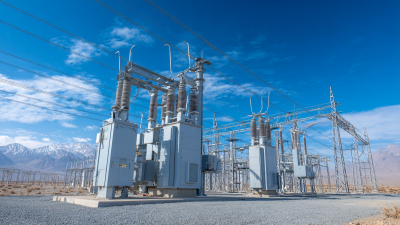
When it comes to electrical systems, picking the right transformer isn’t just some technical detail—it's actually pretty important. I remember John Smith, an expert in the field, once said something that really stuck with me: "Choosing the right transformer can save you money and boost your efficiency." Honestly, that’s so true, especially when you're looking at options like the 50kva 80kva Transformer.
Deciding between a 50kva and an 80kva Transformer can make a big difference for your operations. Usually, the choice depends on what your power needs actually are. But here’s the thing—lots of businesses tend to underestimate how much power they’ll need down the line. If you choose a transformer that’s too small, it might end up causing inefficiencies or cost you more money in upgrades later on.
Both sizes have their pros and cons. The 50kva is pretty common for smaller setups, while the 80kva is usually better if your business is growing and needs a bit more juice. But, beware of oversizing too—that can just waste energy. So, it’s really about understanding what your system actually requires. In the end, investing in the right transformer isn't just about today; it’s about making sure you’re set up for the long haul with a system that runs smoothly and efficiently.
Understanding Transformer Ratings: 50kVA vs 80kVA
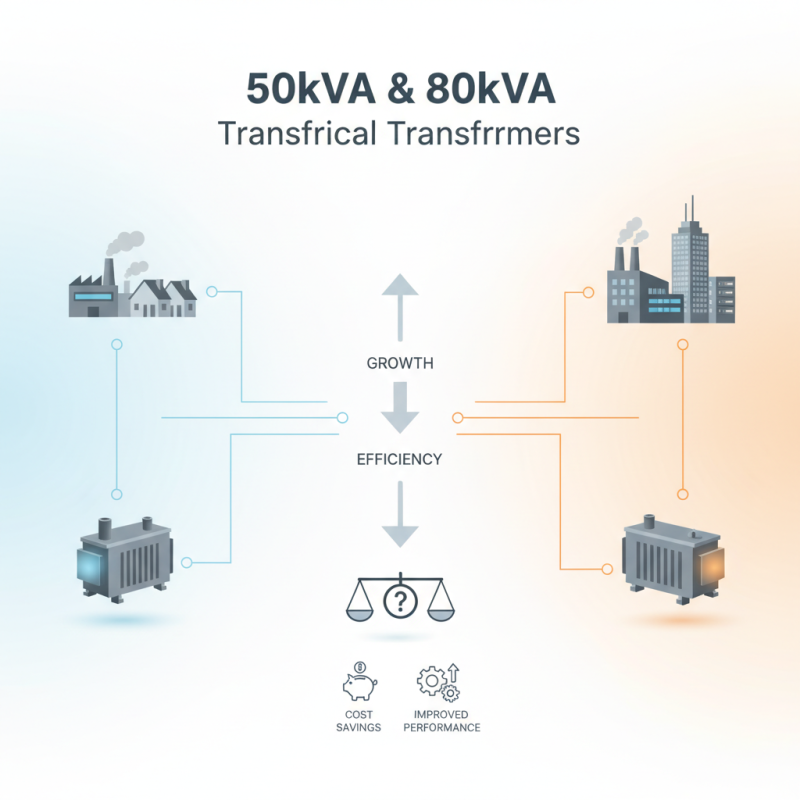
When considering transformer ratings, two common options are the 50kVA and 80kVA models. The key differences between them can significantly impact your power requirements and system efficiency. A 50kva Transformer typically handles smaller loads. It's ideal for residential settings or small businesses. This choice often saves on initial costs and space. But if you anticipate growth, this may not be sufficient.
On the other hand, an 80kVA transformer can manage larger loads. This makes it suitable for commercial or industrial applications. However, it's essential to assess your current and future needs. An oversized transformer can lead to increased operational costs. Also, it may lead to wasted energy. Careful calculations are necessary to ensure you choose the right unit. Think about your usage patterns and any potential expansions. Each choice has its merits and challenges, prompting deeper reflection on what truly fits your needs.
Applications of 50kVA Transformers in Various Industries
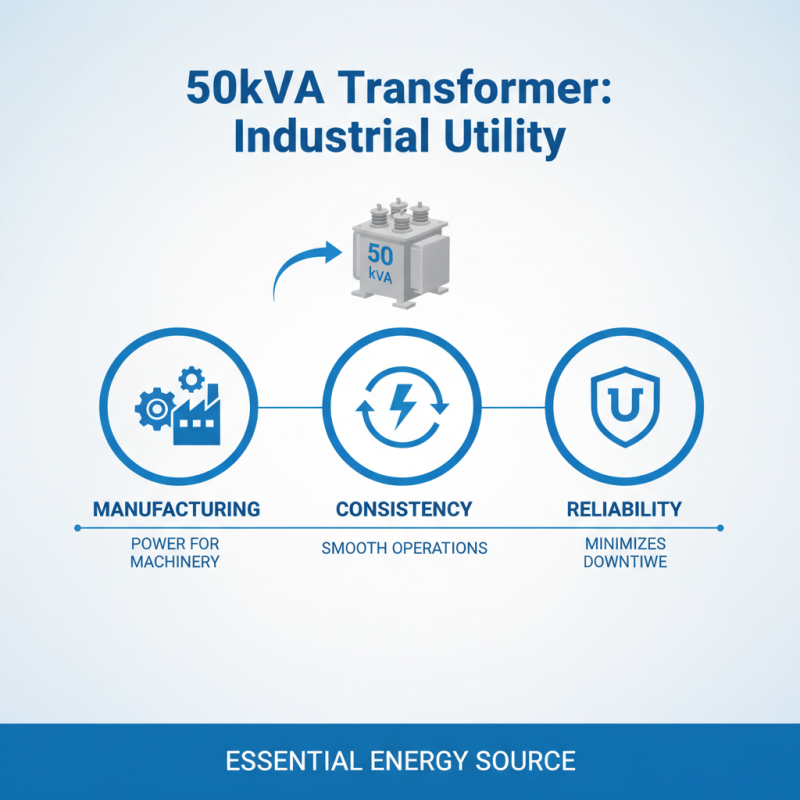
The 50kVA transformer finds its place in various industries, proving its utility. In manufacturing, it supplies power for machinery. This consistency ensures operations run smoothly. A reliable energy source minimizes downtime.
In the construction sector, a 50kVA transformer supports tools and lighting on job sites. It converts electrical energy efficiently. The portable nature makes it a practical choice. Workers benefit from steady power supply during critical tasks.
Tip: When selecting a transformer, consider peak load requirements. You might need a 50kVA for light applications. But a heavier load might require an 80kVA transformer.
In commercial settings, a 50kVA transformer powers small offices or retail spaces. Businesses can run computers, lights, and other equipment without interruption. However, mismatches in power demand can lead to inefficiencies. It’s crucial to evaluate your needs carefully before making a choice.
Tip: Regular maintenance can extend the life of your transformer. Check for wear and tear. This will prevent bigger issues down the line.
Applications of 80kVA Transformers in Various Industries
In various industries, 80kVA transformers play a vital role. These transformers are commonly used in manufacturing sectors. They efficiently handle significant electrical loads. They power heavy machinery, ensuring smooth operations. In a factory setting, an 80kVA unit might feed multiple machines simultaneously. This capability supports productivity and reliability.
In commercial buildings, these transformers are essential too. They provide adequate voltage for lighting and HVAC systems. Without them, businesses may experience downtime. In some cases, overloading transformers leads to failures. It can be challenging to find the right balance of power. Additionally, maintenance of 80kVA transformers requires attention. Regular checks can prevent unexpected breakdowns.
Data centers also rely on 80kVA transformers. They ensure uninterrupted power for critical systems. Fluctuations in power supply can cause data loss. Some centers have faced outages due to insufficient power backup. It's crucial to evaluate energy demands accurately. Planning for future growth is often overlooked, but it's essential. 80kVA transformers offer flexibility to adapt to changing needs.
Key Specifications to Consider When Choosing a Transformer
When selecting a transformer, understanding key specifications is crucial. A 50kva or 80kva Transformer can significantly impact your energy efficiency. Consider the voltage rating. This determines how well the transformer fits your systems. Incorrect voltage can lead to inefficiency or equipment damage.
Another important aspect is the temperature rise. Higher temperatures can deteriorate transformer life. A well-ventilated design is essential. Ensure the transformer has proper cooling systems in place. Look for specifications on noise levels as well. An overly noisy transformer can be disruptive in sensitive environments.
Pay attention to load capacity as well. It’s vital to match your energy needs. Overloading a transformer can lead to serious issues. Reflect on your current and future needs before making a decision. Investing in an 80kva transformer may be wise if your load is expected to grow. You want a reliable transformer that won't require frequent replacements.
Efficiency and Cost-Effectiveness of 50kVA Transformers
When selecting a transformer, the efficiency and cost-effectiveness of a 50kVA transformer stand out. According to industry reports, a 50kVA transformer typically operates at an efficiency rate between 95% to 98%. This means less energy waste and lower electricity costs. For small to medium-sized applications, such efficiency is crucial. It can lead to substantial savings over time.
The initial investment for a 50kVA transformer is generally lower than its 80kVA counterpart. Studies indicate that choosing a smaller unit can save up to 20% on upfront costs. Moreover, maintenance costs are usually lower, given that 50kVA transformers are often simpler to maintain. However, there’s a trade-off. If future energy needs grow, a 50kVA unit may require replacement sooner than anticipated.
In terms of energy consumption, a 50kVA transformer not only supports efficiency but also aligns with sustainability goals. It emits less CO2 due to lower energy use. However, some users overlook the potential of overrunning a smaller transformer. This can lead to overheating and reduced lifespan. It's vital to assess current and future load requirements before making a choice.
Why Choose a 50kva or 80kva Transformer for Your Needs? - Efficiency and Cost-Effectiveness of 50kVA Transformers
| Transformer Type | Efficiency (%) | Typical Applications | Initial Cost ($) | Operating Cost per Year ($) |
| 50kVA Transformer | 95 | Small Commercial, Light Industrial | 3,000 | 500 |
| 80kVA Transformer | 96 | Medium Commercial, Industrial Needs | 4,000 | 600 |
| Comparison Between 50kVA and 80kVA | N/A | N/A | N/A | N/A |
Efficiency and Cost-Effectiveness of 80kVA Transformers
When considering power needs, an 80kVA transformer emerges as a smart choice for many. Its efficiency often surpasses that of a 50kVA transformer. This increased efficiency can lead to lower electricity bills over time. An 80kVA transformer operates well under varying loads. It doesn’t only handle peak demands but also performs reliably during off-peak periods.
Cost-effectiveness is crucial. Although the initial investment in an 80kVA might be higher, the long-term savings add up quickly. Maintenance costs tend to be lower because of their robust design. They have a longer lifespan, which reduces the frequency of replacements. On the other hand, if you choose a transformer that’s too small, you risk overloading it. Over time, this can lead to increased operational costs and potential failures.
Balancing power needs and budget is tricky. It’s important to carefully evaluate specific requirements. An 80kVA transformer may seem excessive at first glance. However, considering future expansion or unexpected demands is vital. You may find that the initial cost is justifiable when factoring in overall efficiency. Each situation is unique, and reflection on these details can lead to more informed decisions.
Making the Right Choice: Factors to Consider for Your Needs
Choosing the right transformer, whether 50kva or 80kva, matters greatly. It affects your power supply and overall efficiency. Consider your specific power needs before making a decision. A 50kva Transformer is suitable for small to medium applications, while an 80kva option suits larger requirements.
Think about the future. Will your needs grow? An 80kva might provide extra capacity, but it takes more space and costs more upfront. This extra expense might not always justify the benefits. Additionally, an oversized transformer can lead to inefficiencies. It may result in energy losses and affect performance.
Installation site is also crucial. Do you have enough space for an 80kva transformer? Keep in mind that the physical size can be a challenge. Maintenance is another factor. Larger transformers may require more attention and resources. Reflect on all these aspects before finalizing your choice. Each decision impacts not just performance but budget and practicality too.
FAQS
: The product aims to provide easy solutions for everyday problems. It's practical and user-friendly.
To use it, simply follow the instructions included. Small details matter for effective use.
It is made from various materials, which are safe and durable. Check the specifics for each item.
Yes, many components are recyclable. Nevertheless, some may require special disposal methods.
Usually, there is a limited warranty. Review the terms for clarity on coverage and duration.
If you face issues, contact customer support. Be ready to share details for quicker assistance.
Yes, use the product as intended. Ignoring safety guidelines may lead to accidents.
Yes, design allows for compact storage. Still, ensure it's kept in a dry place to maintain quality.
Check return policies carefully. Some conditions may limit your options. Read them through.
Alternatives exist. Research to find options that better fit your needs or preferences.
Conclusion
When selecting a transformer for your electrical needs, understanding the differences between a 50kVA and an 80kVA transformer is essential. This decision hinges not only on the specific requirements of your application but also on the efficiency and cost-effectiveness offered by each rating. A 50kVA transformer is typically suitable for smaller industrial applications or commercial settings, where load demands are moderate. Conversely, an 80kVA transformer can better accommodate higher power needs, making it ideal for larger operations or more power-hungry equipment.
Key specifications such as voltage ratings, insulation levels, and temperature management should influence your choice. Additionally, evaluate the applications of both transformer types across various industries, as well as operational efficiencies and associated costs. By carefully considering these factors, you'll be better positioned to select the right transformer—whether it be a 50kVA or 80kVA transformer—that aligns with your energy needs and operational budget.

 +86 18068001229
  Contact Phone
 Contact Email