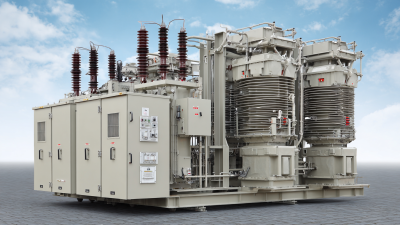
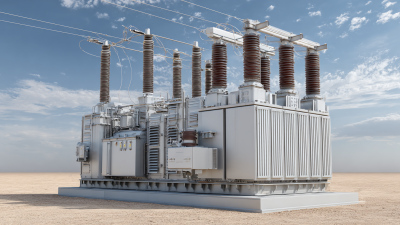
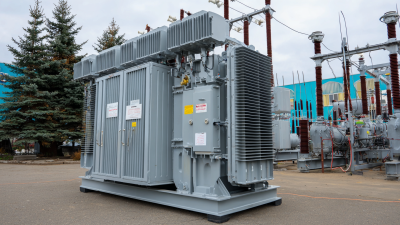
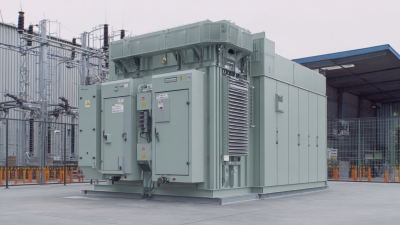
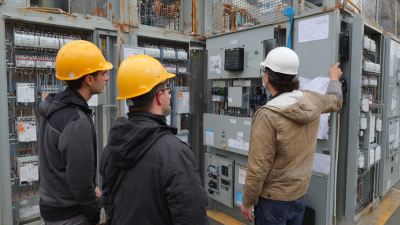
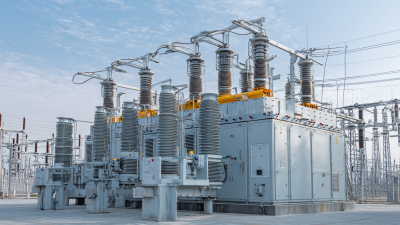
You know, in today’s fast-changing energy world, the Single Phase Outdoor Transformer is really starting to play a bigger role. It’s all about making things more efficient and keeping power reliablewhere it’s needed most. If you’ve been following industry news, you’ll probably know that demand for these Single-Phase Transformers is on the rise. Why? Well, part of it’s because of the big push towardrenewable energy and the growing need for smart, efficient infrastructure—especially in homes and businesses.
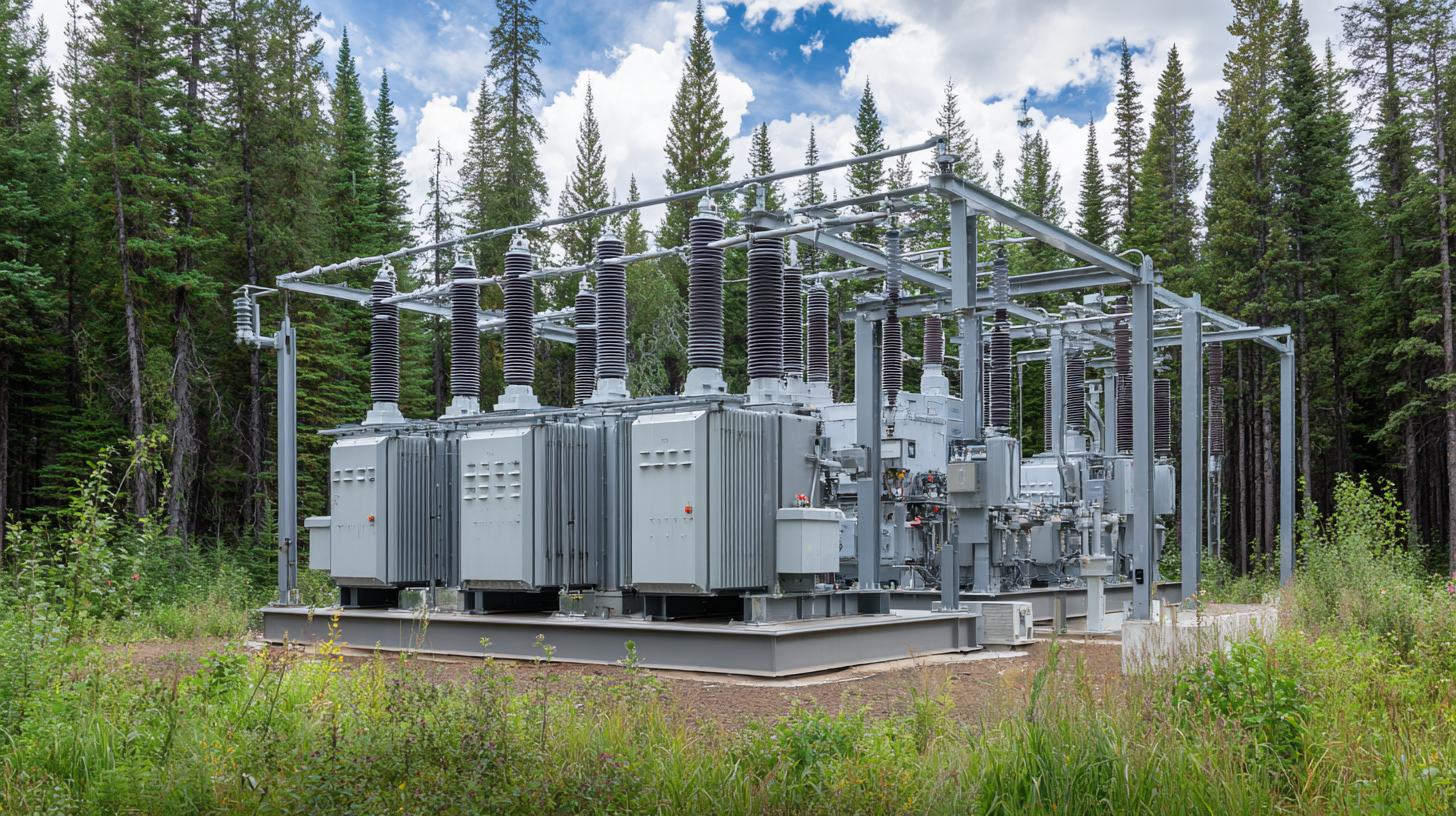
JZPE POWER TRANSFORMER (JIANGSU) CO., LTD., JEZOU POWER—who’ve been designing, making, and installing power solutions since 1989—are definitely onto this trend. They’re highlighting how innovative applications of Single Phase Outdoor Transformers can really help meet today’s demands. By utilizing some pretty advanced design ideas, state-of-the-art manufacturing processes, and strict quality checks, JEZOU POWER isn’t just aiming to improve energy system performance. They also want to push for sustainable global development. Basically, they’re striving to stay ahead in the Power Distribution game—and it shows.
Innovative Features of Single Phase Outdoor Transformers for Enhanced Performance
Single-phase outdoor transformers have really become pretty important tools when it comes to boosting energy efficiency in a lot of modern setups. With more and more reliance on renewable energy sources, these transformers are super useful for connecting scattered generation systems. I mean, according to this recent report from the International Energy Agency (IEA), worldwide electricity demand is expected to jump by about 30% by 2040. That just shows how much we need smart solutions to keep power grids reliable and efficient. These outdoor transformers, especially ones built with advanced insulation and cooling tech, are key players in making that happen.
And it’s not just about the basics now. They’re packing features like automatic voltage regulation and remote monitoring, which really help with managing power on the fly. The IEEE even says that transformers with these smart features can cut operational costs by up to 15%, and at the same time, make the whole system more resilient. As industries move toward smarter grid systems, the importance of single-phase outdoor transformers just keeps growing. They give us the flexibility to handle changing load demands and help reduce energy waste. All these upgrades mean utility operators can deliver power more efficiently while keeping things sustainable and reliable at the same time.
Maximizing Efficiency: Innovative Uses for Single Phase Outdoor Transformers
This chart demonstrates the efficiency ratings of various single-phase outdoor transformers in different modern applications, highlighting their innovative features for enhanced performance.
Key Applications of Outdoor Transformers in Modern Energy Solutions
Outdoor transformers are pretty much the unsung heroes of modern energy solutions, especially in cities where saving space and boosting efficiency are a big deal. For example, they're a key part of renewable energy setups — like solar and wind farms — where single-phase outdoor transformers step up the voltage. This makes it easier to get that clean energy into the grid and carry it over long distances without losing too much power. And because these transformers are so compact, they can be installed just about anywhere — from rooftops to far-out rural spots, no problem.
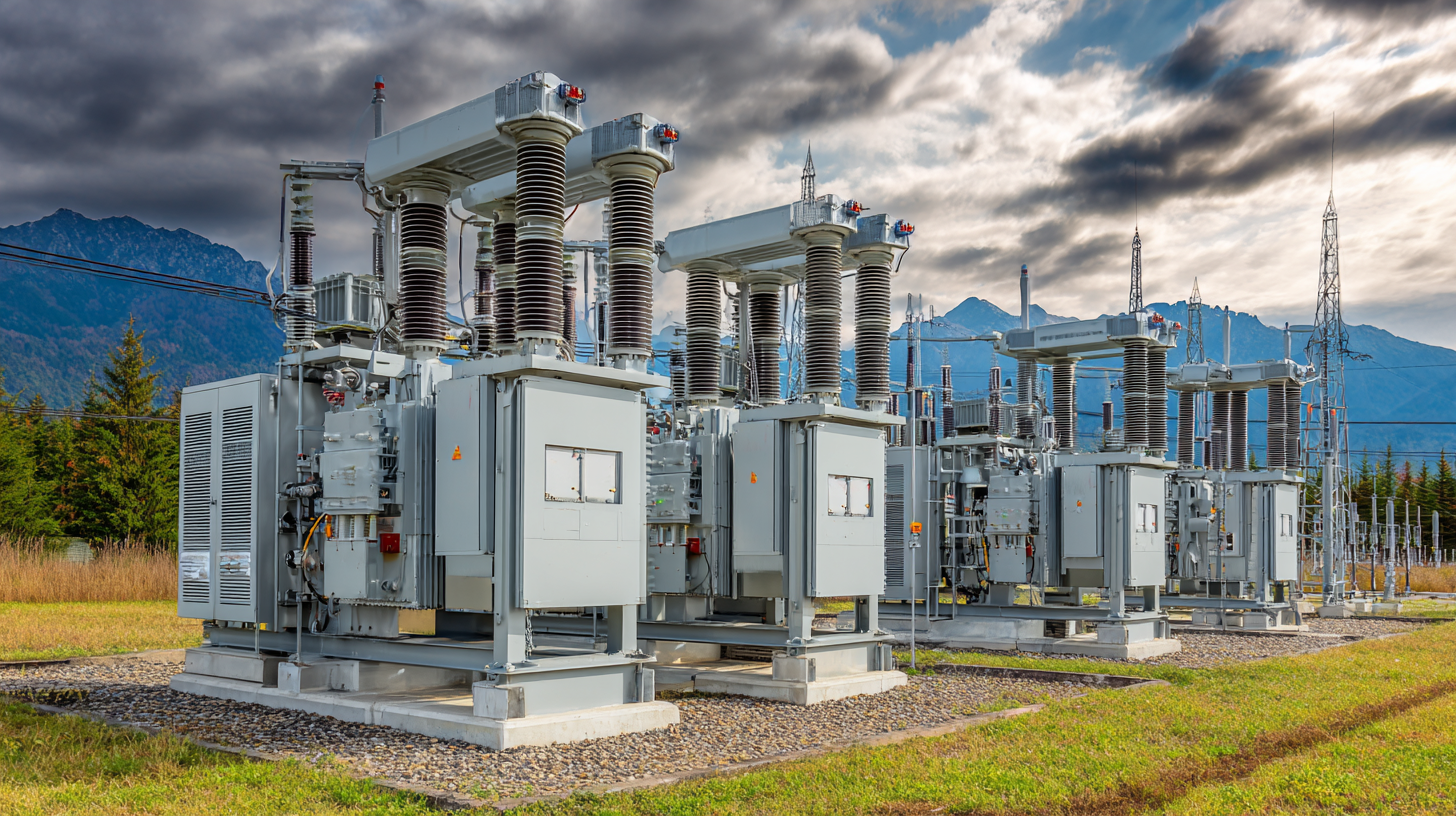
On top of that, you’ll notice outdoor transformers popping up more and more at electric vehicle charging stations. As more folks jump into the EV world, these transformers help handle the power loads so everything runs smoothly. They convert electricity efficiently right at ground level, which means faster charging times and better overall energy management. Plus, they’re built tough enough to handle all kinds of weather, making them reliable whether you’re in a residential neighborhood or a busy commercial area.
All in all, these little guys are pretty vital for making our energy system more flexible and resilient.
Tips for Maximizing Efficiency with Single Phase Transformers
Single-phase outdoor transformers are pretty much essential in so many modern setups. They’re versatile and quite efficient when you know how to get the most out of them. To really maximize their performance, you wanna follow some best practices. For example, a 2022 report from the International Energy Agency pointed out that keeping these transformers loaded close to their rated capacity can make a big difference — it helps cut down energy losses. When they’re pushed to full load, they tend to run cooler and perform better, which is super important—in things like renewable energy projects and industrial automation, you know?
Another good tip is to stay on top of maintenance and keep an eye on their condition. Using advanced diagnostic tools for regular checks can really pay off. I’ve read that a study by IEEE shows proactive maintenance can actually boost a transformer’s lifespan by up to 30%. Stuff like controlling temperature and moisture levels can prevent early failures and help keep things running smoothly. Plus, sticking with high-quality components in the design, as recommended by the Electrical Power Research Institute, can really give an extra boost to reliability and even cut down on energy use. All these little steps add up and make sure those single-phase outdoor transformers stay reliable and efficient in today’s electrical systems, no matter what’s thrown at them.
Maximizing Efficiency: Innovative Uses for Single Phase Outdoor Transformers in Modern Applications
| Application | Efficiency Improvement Tips | Benefits | Challenges |
| Street Lighting | Use LED lamps powered by transformers for reduced energy consumption. | Lower electricity bills and reduced carbon footprint. | Initial installation costs. |
| Remote Sensing | Implement energy-efficient transformers for sensor power supply. | Extended battery life and improved data collection. | Vulnerability to outdoor conditions. |
| Agricultural Applications | Utilize transformers for irrigation systems with automated controls. | Increased crop yield and optimized water usage. | Dependency on electrical supply. |
| Telecommunication Infrastructure | Integrate with renewable energy sources for backup power. | Enhanced reliability and lower operating costs. | Complex integration processes. |
| Construction Sites | Deploy portable transformers for onsite power distribution. | Improved worker safety and equipment efficiency. | Potential for damage or theft of equipment. |
Maintenance Best Practices for Longevity of Outdoor Transformers
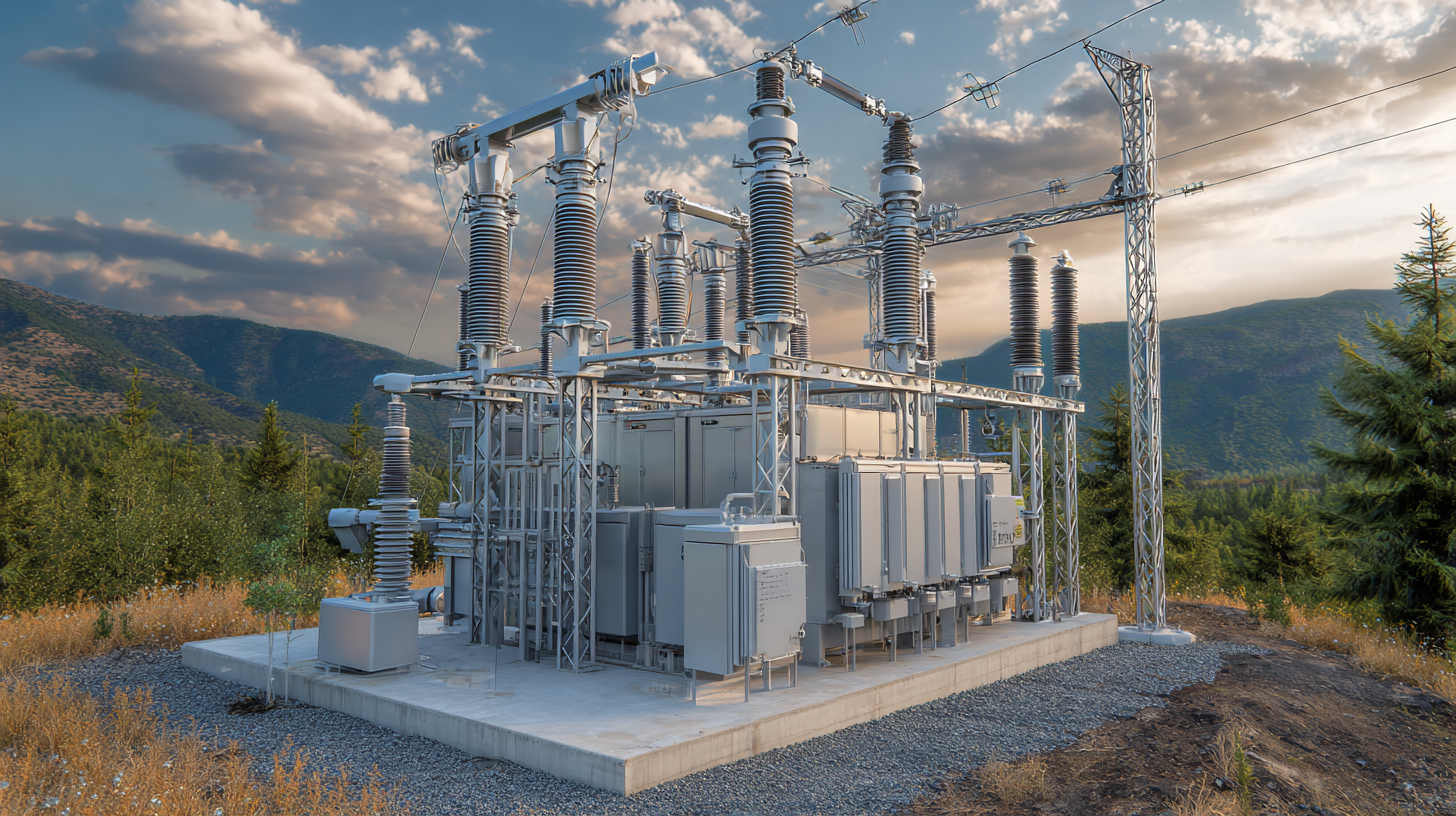 Outdoor transformers are pretty essential when it comes to making electrical systems run smoothly, but let’s be honest—how long they last really depends on how well you take care of them. I came across a report from IEEE that says if you stick to proper maintenance routines, you can actually boost their lifespan by up to 25%. Doing regular checkups, like thermal imaging and vibration tests, can catch problems early on—before they turn into costly failures. Plus, keeping the transformers clean and free of dirt or debris helps prevent overheating and damage caused by the environment, which is always a good idea.
Here’s a tip: try to do routine inspections at least twice a year. Focus on the connections, seals, and protective casings because being proactive here not only keeps things safe but also reduces downtime—saving you a ton of money that could be lost if your system goes down unexpectedly. Also, investing in some smart monitoring tech that tracks performance in real-time is worth considering. According to NEMA, these systems can cut maintenance costs by up to 30%, which is a nice bonus.
And don’t forget about the surroundings. Clearing out nearby plants and making sure water can drain away properly really helps prevent moisture from sneaking in and causing rust or damage. The Electric Power Research Institute actually found that about 70% of transformer failures happen because of insulation issues caused by environmental stress. Stick to these good practices, and you'll really boost the reliability of outdoor transformers, especially the single-phase ones used in everyday setups.
Integrating Smart Technology with Single Phase Transformers for Better Control
You know, the way smart tech has come into play with single-phase transformers really changed the game when it comes to managing electrical systems. As everyone’s moving toward more automation, using smart grid tech alongside outdoor transformers makes things run smoother and more reliably. I read somewhere that, according to the International Energy Agency, these smart systems can cut energy losses in distribution networks by up to 15%. That’s a pretty huge deal when you think about how much energy gets wasted otherwise.
And it doesn’t stop there. with IoT devices and real-time monitoring, operators can keep better tabs on how these transformers are doing. Thanks to advanced sensors, they can spot performance issues early and even predict when maintenance is needed — which means less downtime and fewer headaches. A report from MarketsandMarkets even predicts the global smart transformer market is going to skyrocket from $2.2 billion in 2020 to around $6.8 billion by 2025. That just shows how much folks are craving smarter, more efficient transformer solutions. Not only does this mean we’re using energy more wisely, but it also helps us build a stronger, more adaptable power grid that can keep up with changing energy needs.
Optimizing Energy Distribution: The Benefits of Single Phase Pole Mounted Transformers in Electrical Systems
Single phase Pole Mounted Transformers are essential components in optimizing energy distribution within electrical systems. Unlike three-phase transformers, single phase units offer several advantages, particularly in rural and less populated areas where electrical demand is lower. These transformers help in maintaining balance within the power distribution networks, providing a reliable method of delivering electricity at various voltage levels. With primary voltage ratings ranging from 2.4 kV to 34.5 kV, and secondary voltage options such as 120/240V and 240/480V, these transformers are highly adaptable to a range of applications, ensuring efficient energy use.
Recent industry reports highlight the increasing preference for single phase pole mounted transformers due to their cost-effectiveness and ease of installation. According to the IEEE standards, these transformers can handle a bushings insulating level (BIL) between 30-150 kV, making them suitable for various environmental conditions. With high voltage tap ranges from 2280V to 36225V, they provide flexibility and enhanced performance, which is crucial for utility companies focused on minimizing transmission losses. The integration of these transformers contributes significantly to the overall efficiency and reliability of electrical distribution systems, enabling utilities to meet growing energy demands while adhering to established safety and operational standards such as ANSI, CSA, and IEC. The shift towards these transformers not only optimizes energy distribution but also plays a vital role in supporting sustainable growth within the electric utility sector.
FAQS
: Outdoor transformers are primarily used in renewable energy systems to step up voltage for solar and wind energy integration, and in electric vehicle (EV) charging stations to manage load and ensure consistent power delivery.
They facilitate the integration of renewable energy sources into the grid by stepping up voltage, enabling long-distance power transmission with minimal losses.
Their ability to efficiently convert electrical energy at ground level allows for faster charging times and effective energy management, accommodating the growing demand for electric vehicles.
Smart technology enhances the management and operation of outdoor transformers by improving efficiency and reliability through automation and real-time monitoring.
Incorporating smart grid technology can reduce energy loss by up to 15%, optimizing energy consumption through intelligent control systems.
The smart transformer market is projected to grow significantly, from $2.2 billion in 2020 to $6.8 billion by 2025, indicating increasing demand for more efficient transformer solutions.
IoT devices allow for real-time monitoring and performance tracking, enabling operators to predict maintenance needs and minimize downtime.
Their compact design allows installation in various environments, including rooftops, remote locations, residential areas, and commercial settings.
Smart transformers optimize energy usage and contribute to a more resilient infrastructure, better able to adapt to changing energy demands.
Outdoor transformers are designed to be reliable and withstand diverse weather conditions, making them suitable for various deployment scenarios.
Conclusion
In today’s energy world, the single-phase outdoor transformer really proves its worth by boosting efficiency with some pretty cool features. These transformers are versatile — whether you’re powering up a home or running something bigger in industry — they’re built to perform at their best. Of course, to keep them running smoothly and efficiently for the long haul, good maintenance is key. It might sound basic, but sticking to some simple upkeep tips can seriously extend how long these transformers last.
On top of that, adding smart tech to these transformers makes a big difference. It allows for easier control and real-time monitoring, so users can manage their energy use without a headache. At JEZOU POWER, we’ve been around since 1989, always focusing on cutting-edge designs and strict quality checks to make sure our transformers meet the needs of clients all over the world. We’re all about making sure you get reliable, efficient power solutions that fit your specific needs.

 +86 18068001229
  Contact Phone
 Contact Email