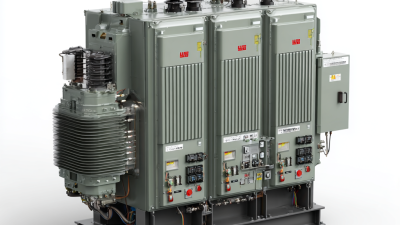
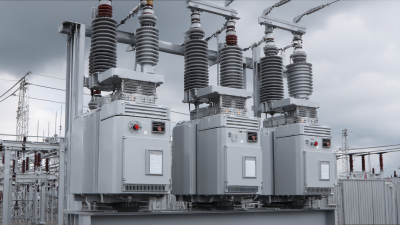
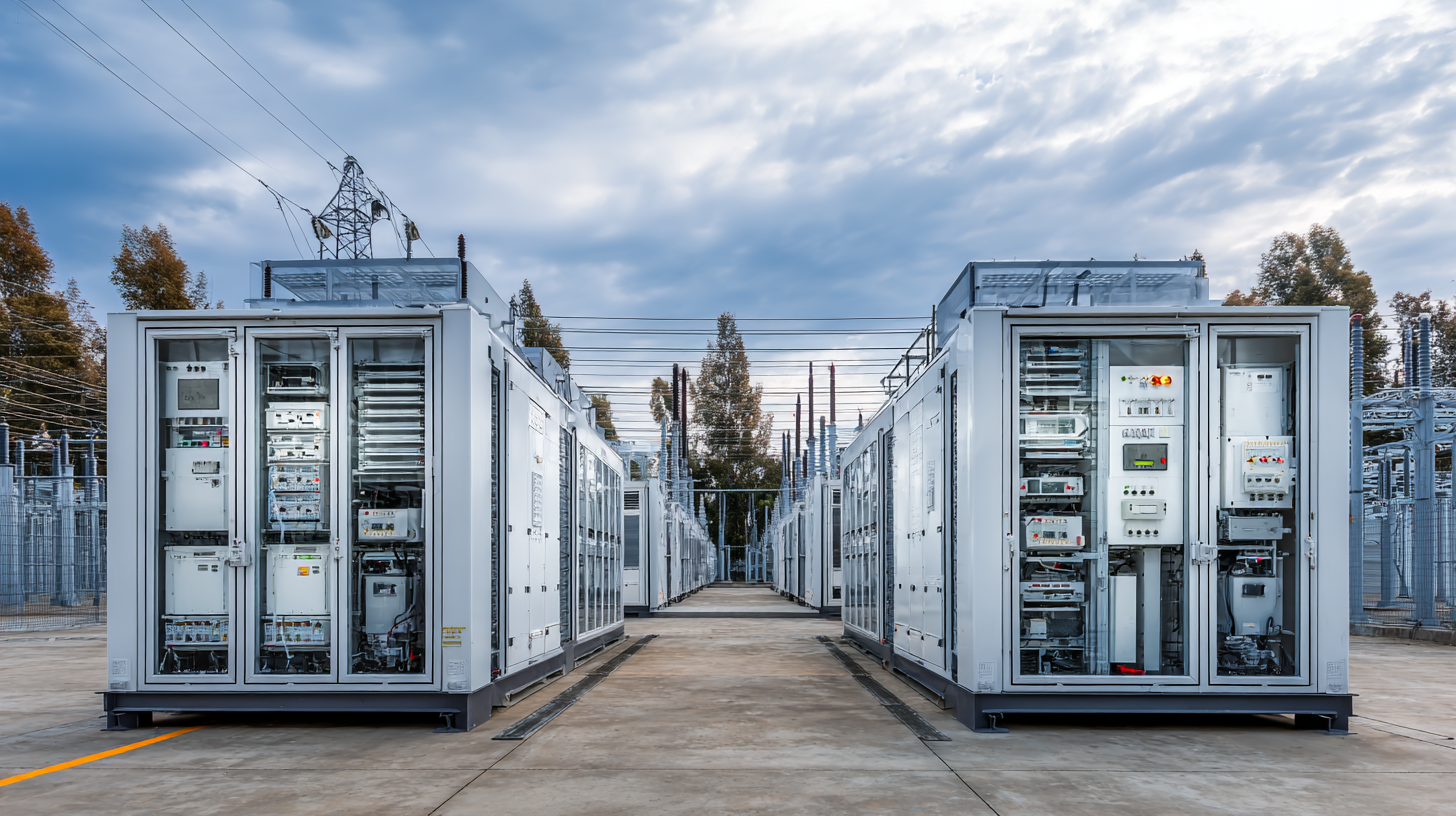
 In today’s fast-changing energy world, staying ahead with innovative solutions is pretty much essential for boosting efficiency and cutting costs. One cool thing that’s been catching on lately is the Prefabricated Substation — it’s really changed the game when it comes to how electrical power gets distributed and managed in modern infrastructure. So, I read somewhere that, according to MarketsandMarkets, the global market for these prefabricated substations is expected to hit around $18.8 billion by 2025. This surge is mainly because there's a growing push for more sustainable energy options and the need for quicker installation times. Now, JEZOU POWER has been a big player in this space since 1989 — designing, manufacturing, and installing power systems. They’re really leading the charge, using advanced design ideas and strict quality checks to deliver prefab substations that match today’s energy needs. And with a massive 200,000 square meter facility, they’re ready to support projects all over the world, making sure everything runs smoothly and reliably right from start to finish.
Understanding Prefabricated Substations: Key Features and Benefits
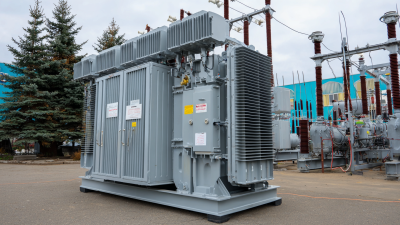
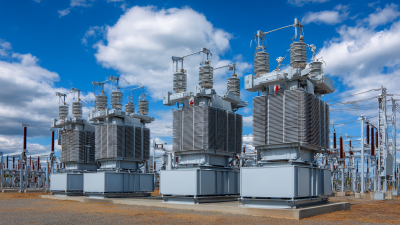
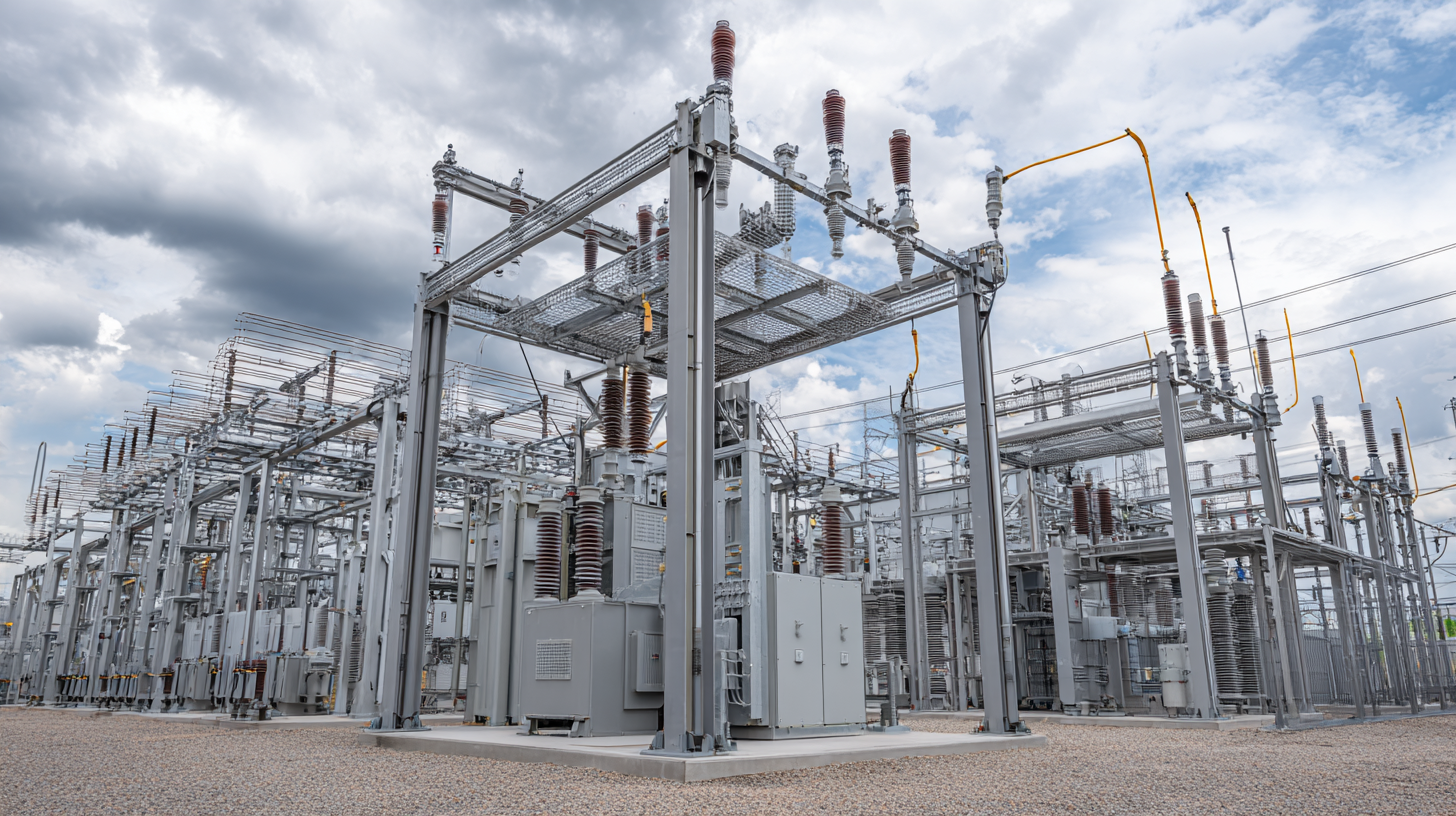
You know, prefabricated substations are really changing the game when it comes to modern energy infrastructure. They’re like these compact, pre-assembled units that you can set up pretty quickly on-site — kind of a time-saver, honestly. What’s cool about them is their modular design, which makes it super easy to scale up or adapt based on different energy needs. Plus, they can be integrated with cutting-edge tech, like smart grid systems, which means everything runs more smoothly and efficiently. It’s all about making energy distribution not just reliable, but also smarter and more responsive to real-time demands.
And honestly, the perks don’t stop there. Because these substations cut down on the time and effort needed to build them on location, they help avoid a lot of disruptions and save big bucks on labor. Of course, quality control is a big deal, and companies like JZPE Power Transformer (Jiangsu) Co., Ltd. really focus on keeping standards high during both design and production. Established back in 1989, JEZOU Power uses advanced design concepts and modern manufacturing techniques to make sure their prefabricated substations meet the high expectations of clients worldwide. All in all, their dedication to quality positions them as a leader in this evolving energy scene, ready to tackle whatever’s next.
The Role of Prefabricated Substations in Modern Energy Systems
Prefabricated substations have really become a game-changer in today’s energy landscape. They’re super efficient and cost-effective, which is a huge plus. These modular setups make it so much easier to get projects up and running quickly—whether you're working on renewable energy sources or urban power grids. At JEZOU POWER, we focus on cutting-edge design and quality control to deliver top-notch prefabricated substations that can keep up with the ever-changing demands of the energy world.
If you're thinking about going this route, a good tip is to really assess what your project needs energy-wise. Customizing your substation can dramatically boost performance and cut down on waste, making sure it fits perfectly with your environment. Also, don’t forget to pick a manufacturer with a solid reputation—someone like JEZOU POWER, who’s been in the game since 1989. That kind of experience gives you peace of mind knowing you're getting quality and reliability you can count on long-term.
Plus, adding smart tech to these substations can really make a difference. Things like real-time monitoring help operators keep everything running smoothly and catch issues early before they become big problems. Embracing these innovations not only helps with sustainability but also makes sure you’re ready for future energy demands without a hitch.
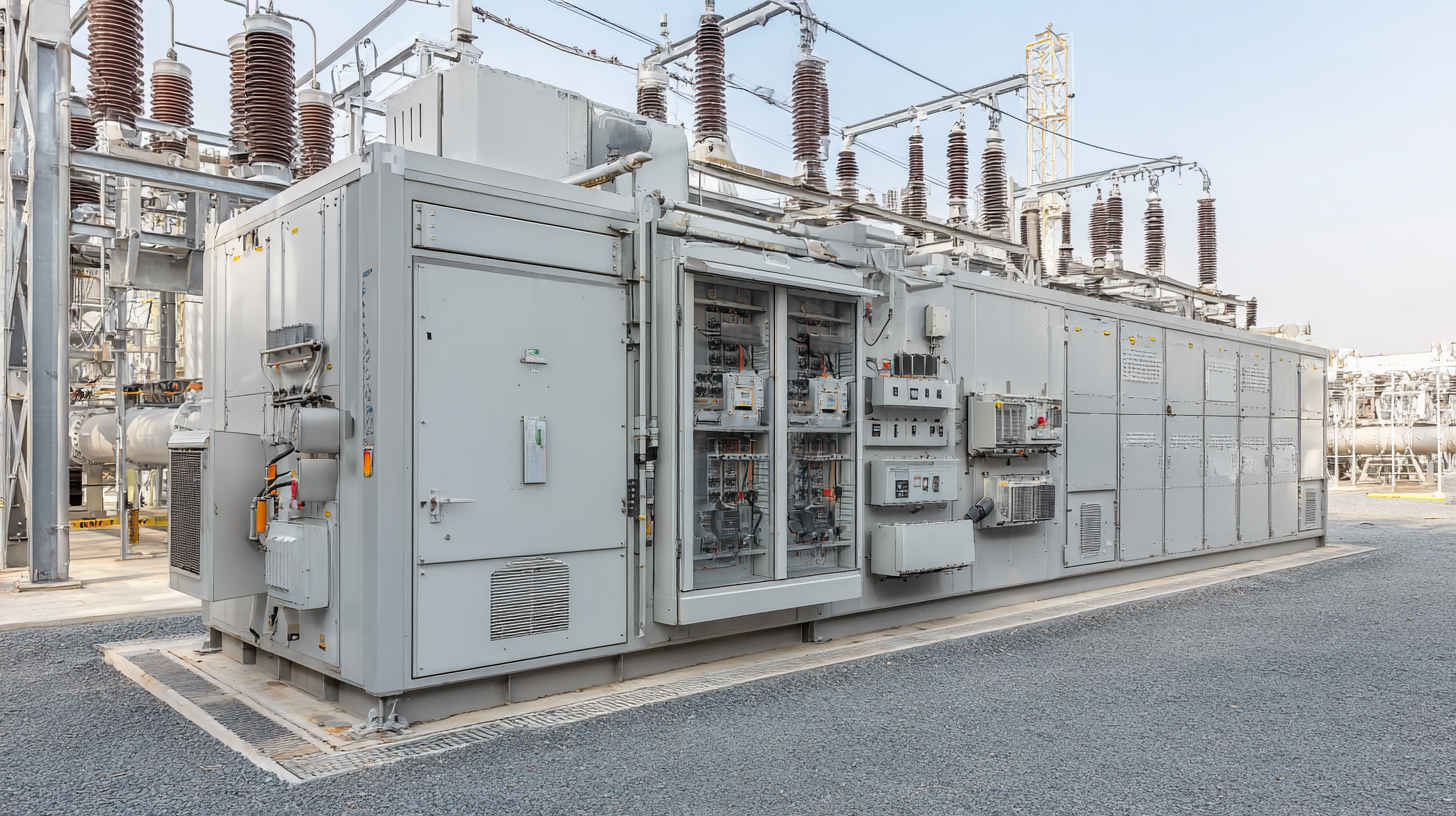
Cost-Effectiveness: Analyzing Financial Benefits of Prefabricated Solutions
Lately, prefabricated substations have really become a go-to option in today's energy landscape—mainly because they’re cost-effective and help keep energy distribution reliable and efficient. I read a recent report from the International Energy Agency (IEA), and it mentioned that using these prefabricated solutions can cut down installation time by as much as 30%, not to mention saving a ton on labor costs. For companies like JZPE Power Transformer (Jiangsu) Co., Ltd., which is all about innovative power system designs, jumping on the prefab bandwagon isn’t just about efficiency. It also helps meet high-quality standards that are in line with worldwide best practices.
One of the big perks these prefabricated units offer is the chance to reduce overall project costs. According to a survey by the Global Energy Supply Association, opting for prefab solutions can save around 20% on project budgets when compared to the old-school, traditional construction methods. And that’s mainly because shipping, logistics, and project timelines get a good boost—they’re simpler and faster. So, for energy companies or providers who are trying to make the most out of their budgets, investing in prefab tech is definitely a smart move.
If you’re thinking about going down this route, here are a few tips to keep in mind:
- Make sure to check the regional rules and specific site needs before choosing a prefab model—that way, you’re playing by the rules and getting the best results.
- Do a side-by-side comparison between the traditional options and prefab ones. It really helps you see the long-term savings and operational perks.
- And don’t forget—partner with experienced manufacturers like Jezou Power. They truly understand the ins and outs of design and installation, which can make a huge difference in how smoothly everything goes.
Efficiency Enhancements: How Prefabricated Substations Save Time
Prefabricated substations are really changing the game in the energy world. They're helping us get things done faster and more efficiently. I read somewhere that, according to the International Energy Agency, using these pre-made solutions can cut down project timelines by up to half. That’s a huge deal, especially with how quickly the demand for energy is growing nowadays. When it comes to rolling out renewable sources, we really need infrastructure that can be built swiftly and smoothly — and these prefabs definitely make that possible.
On top of that, they’re not just about speeding things up; they also make logistics and safety a lot easier. A study from the Electric Power Research Institute pointed out that modular designs could cut labor costs by around 30%, mainly because most of the assembly happens in factories, not on site. That means less on-the-ground work, which also lowers some of the risks involved. Plus, since the units come pre-assembled, there's less time wasted on preparing the site, so companies can put their resources toward maximizing energy output instead. As the energy sector keeps evolving, I really believe that adopting these prefabricated substations is gonna be a game-changer — making everything more efficient and cost-effective.
Sustainability Impacts of Using Prefabricated Substations in Energy Projects
Lately, it’s pretty clear that prefabricated substations are playing a bigger role in modern energy solutions, especially when it comes to sustainability. I read a report from the International Energy Agency (IEA) that says using modular energy systems can cut down greenhouse gas emissions by up to 30% compared to those old-school, traditional building methods. What’s pretty cool is that these prefabricated substations are built somewhere else, then shipped out to the site – which really cuts down on waste and resource use. It’s a smart move that lines up with global efforts to be more sustainable.
And here’s another thing: a study from McKinsey found that using prefab parts can slash construction time by about half — that’s huge, right? Not only does this speed things up, but it also helps shrink the carbon footprint of energy projects. This faster pace is pretty important, especially as energy demands are just climbing and we’re all trying to tackle climate change at the same time. Plus, prefabricated solutions make logistics way more efficient and also support a circular economy by making resource management better.
As the energy sector keeps evolving, I really believe that embracing these prefab technologies will be key to building resilient, eco-friendly infrastructures that can stand the test of time.
Future Trends: Innovations in Prefabricated Substation Technologies
Lately, prefabricated substations are really shaking up the way we approach energy solutions. It's pretty exciting to see how new tech is making everything more efficient and saving money across the board. I mean, if you look at the latest trends, there's a huge push towards smarter, more adaptable power systems that can grow with demand. According to the International Energy Agency, the global market for these modular setups is expected to hit around $20 billion by 2025 — all thanks to the rising need for sustainable energy infrastructure.
Just recently, events like the SNEC Conference showed off some seriously cool innovations from top companies in this field. These new prefabricated substation designs aren’t just about saving time and cutting costs—they also boost the reliability of energy systems overall. For example, some designs can cut installation time by up to 50%, which means renewable energy projects can get up and running faster than ever. That’s a big deal when it comes to meeting global climate goals.
Companies like JEZOU POWER are really leading the charge by using all the latest design ideas and manufacturing techniques. They’re committed to quality and efficiency, and it’s clear they’re playing a big role in shaping this industry’s future. With all these advancements, the shift towards prefabricated substations feels like a game changer for how we’re going to power the world in the years ahead.
Efficiency and Cost Analysis of Prefabricated Substations
This chart illustrates the cost and efficiency parameters associated with prefabricated substations. It compares initial costs, installation time, operational efficiency, and maintenance costs, providing insight into their value in modern energy solutions.
FAQS
: Prefabricated substations are compact, pre-assembled units designed for rapid deployment in energy infrastructure, characterized by their modular design and integration of advanced technologies.
They provide construction efficiency, lower labor costs, and reduced on-site assembly time, significantly minimizing disruptions during installation.
They can lower capital expenditure by an average of 20% compared to traditional methods, reducing installation time by up to 30% and minimizing labor costs significantly.
Manufacturers ensure the quality and adherence to high standards during the design and production of prefabricated substations, enhancing operational efficiency and meeting client expectations.
They can reduce greenhouse gas emissions by up to 30% compared to traditional construction, minimize on-site waste, and lower the carbon footprint of energy projects.
Stakeholders should evaluate regional regulations, conduct comparative analyses of solutions, and engage with experienced manufacturers to ensure compliance and optimize project outcomes.
The modular design facilitates easy scalability and adaptability to different energy demands, enabling energy providers to respond effectively to varying needs.
They support sustainable development by optimizing resource management, promoting a circular economy, and meeting rising energy demands while addressing climate change challenges.
The increasing demand for reliable energy distribution, cost-effectiveness, and sustainable practices in the energy industry are driving the trend toward prefabricated solutions.
Prefabricated substations often integrate smart grid systems, enhancing operational efficiency and ensuring reliable energy distribution that responds to real-time needs.
Conclusion
In today's fast-changing energy scene, using Prefabricated Substations is really becoming a smart move for modern energy solutions. These units are pretty awesome because they’re modular and can be set up quickly, which really helps boost efficiency and cut down on costs. When companies add Prefabricated Substations to their energy systems, they often see big savings—less time spent on construction and lower labor bills, for sure.
Plus, we can't ignore how much these substations help the environment. They’re a step in the right direction toward greener energy projects. As the industry keeps evolving, new tech and innovations in Prefabricated Substations will keep making them better and more reliable, so they’re set to be a key part of energy infrastructure down the line. At JEZOU POWER, we're all about creating top-notch Prefabricated Substations that meet the needs of a global market, without compromising on quality or efficiency. We’re excited to be part of this journey into a smarter, more sustainable energy future.

 +86 18068001229
  Contact Phone
 Contact Email