Picking the right Three Phase Dry Type Transformer is honestly a pretty big deal when you're working on an electrical project. James Anderson over at PowerTech Solutions puts it nicely: "Choosing the right transformer can really make a difference in how well your system performs." It’s kind of a reminder that, in this field, making informed decisions isn’t just smart — it’s essential.
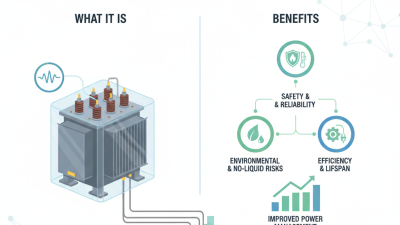
People tend to love the Three Phase Dry Type Transformer for being safer and more efficient. Unlike those oil-filled ones, these don’t come with fire risks, which is a major plus. They’re pretty versatile, too — they work in all sorts of environments. But, not all transformers are the same, right? It’s important to think about things like voltage, capacity, and insulation materials to find one that actually fits your needs.
And let’s be honest — maintenance is often overlooked. While Dry Type Transformers generally don’t require a ton of upkeep, knowing how far you can push them without issues is key. Buying a good quality transformer is definitely an investment, so it’s worth digging into your options a bit. With so many choices out there, getting advice from folks who really know their stuff can save you a lot of headaches down the line.

Understanding the Basics of Three Phase Dry Type Transformers
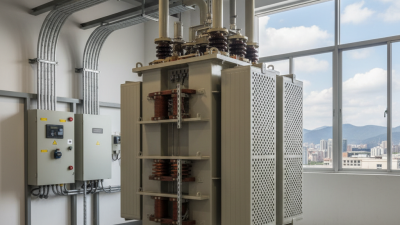
Understanding three phase dry type transformers is essential in various electrical applications. These transformers are designed for high efficiency and reliability. They operate without liquid insulation, making them safer in many environments. The dry type construction allows for better heat dissipation, which enhances performance and lifespan.
The choice of a transformer depends on several key factors. First, you should consider the power rating. This rating determines how much load the transformer can handle. You also need to think about the voltage levels involved. A mismatch can lead to inefficient operation. Furthermore, ambient conditions play a critical role. Higher temperatures or humidity levels can affect performance.
Installation is another aspect to weigh. While dry type transformers require less maintenance, proper placement is still vital. They should be positioned to allow adequate airflow. Regular inspections can help, but are sometimes overlooked. Understanding these aspects can help ensure the transformer meets your needs effectively.
Key Factors to Consider When Choosing a Transformer
When choosing a three-phase transformer, several key factors are crucial. The capacity of the transformer plays a significant role. For example, a Dry-Type Transformer 50kva Three Phase is suitable for various applications, but it must match your specific power requirements. Evaluate the load characteristics. Consider both normal and peak loads to ensure the transformer operates efficiently and reliably.
Another important aspect is the installation environment. Dry-Type Transformers are often used indoors due to their design. They don’t require oil, reducing fire hazards. However, they still need adequate ventilation. Think about space constraints. Ensure there is enough clearance around the transformer for maintenance access and airflow.
Additionally, consider the efficiency ratings. Higher efficiency transformers can lead to cost savings over time. However, they may come with a higher initial price tag. Reflect on your budget versus long-term operational costs. Choosing a transformer isn't just about specifications; it also requires understanding your unique needs and potential challenges.
How to Choose the Best Three Phase Dry Type Transformer? - Key Factors to Consider When Choosing a Transformer
| Factor | Description | Importance |
| Power Rating | Choose a transformer that meets the power requirements of your application.
Common ratings include 30 kVA, 100 kVA, etc. | High |
| Voltage Level | Ensure that the input and output voltage levels match your system requirements.
Consider primary and secondary voltage ratings. | High |
| Cooling Method | Choose the right cooling method (air-cooled, oil-cooled, etc.) based on installation conditions and required efficiency. | Medium |
| Isolation Class | Ensure the transformer meets the required insulation level for safety and reliability. | High |
| Regulation | Assess voltage regulation capabilities based on load conditions. | Medium |
| Harmonic Distortion | Consider transformers designed to reduce harmonic emissions, especially in sensitive applications. | Medium |
| Warranty & Support | Check the warranty period and availability of customer support services. | High |
Evaluating the Required Voltage and Power Ratings
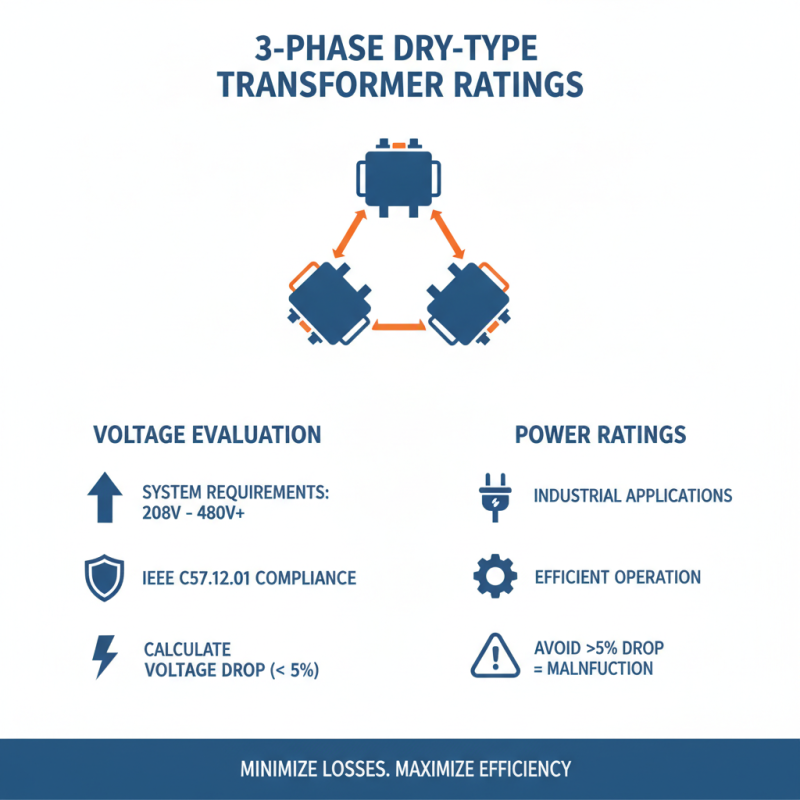
When evaluating the required voltage and power ratings for three-phase dry-type transformers, it's essential to start with system requirements. Many industrial applications range from low (208V) to high voltage (480V or even above). According to the IEEE Standard C57.12.01, a transformer should operate efficiently within this voltage range to minimize losses. It's crucial to assess the specific voltage levels your project demands. Calculating voltage drop should be part of your analysis. A drop of more than 5% can lead to equipment malfunction.
Power ratings are equally important. Transformers are rated in kilovolt-amperes (kVA). A detailed study by the Electrical Engineering and Electronics Institute noted that for continuous operation, the transformer should have a 20% higher capacity than the actual load to ensure reliability. Understanding the maximum power load your installation will experience prevents overheating and boosts lifespan. It's worth considering that oversized transformers can lead to inefficient energy use, which can inflate operational costs.
In practice, deficiencies in voltage and power ratings may surface during operation. Users sometimes find that their initial assessments were not comprehensive. A transformative approach involves periodic audits of transformer performance against actual usage patterns. This data can inform necessary adjustments. Collaborating with experts to conduct these evaluations can lead to greater operational efficiency.
Assessing Environmental Conditions for Transformer Installation
When selecting a three-phase dry type transformer, evaluating the environmental conditions for installation is crucial. The location significantly influences the transformer’s performance and longevity. Factors such as temperature, humidity, and potential exposure to pollutants must be carefully considered. For instance, high humidity levels can lead to insulation issues over time. Similarly, extreme temperatures may affect operational efficiency and increase wear on components.
The installation site should have adequate ventilation to prevent overheating. It’s essential to avoid areas prone to dust accumulation. Dust can settle inside the transformer, causing internal damage. Additionally, transformers should not be placed near water sources to mitigate the risk of flooding. Regular assessments of these environmental factors can enhance performance and prevent costly repairs.
Consideration of seismic activity is also vital in certain regions. Transformers need to withstand such stress without compromising safety. The installation should adhere to local guidelines for seismic resilience. While assessing these conditions, it’s easy to overlook minor details that could lead to significant problems later. A thorough risk assessment and ongoing monitoring are key for optimal performance.
Comparing Efficiency Ratings and Energy Losses
When selecting a three phase dry type transformer, efficiency ratings and energy losses play a critical role. Efficient transformers minimize energy waste. Look for models with high efficiency ratings. These ratings indicate how well the transformer converts input power to output power.
Energy losses in transformers mainly occur due to heat dissipation. Designers often face trade-offs while optimizing for efficiency. A common oversight is focusing solely on initial costs, ignoring long-term operational savings. Dry type transformers, unlike Oil Transformers, typically show better performance in this area. TheThree Phase Three Wires Oil Transformer can also serve as a point of comparison.
Choosing the right transformer involves assessing both efficiency and losses. A well-chosen transformer can save money over time. However, many users don't conduct proper evaluations. It's essential to analyze specifications, understand operating conditions, and consider environmental factors. The decision-making process should include a thorough reflection on these details.
Reviewing Safety Standards and Compliance Requirements
When selecting a three phase dry type transformer, safety standards and compliance are paramount. They ensure that the transformer operates effectively without risking safety. These standards often adhere to global and regional regulations. Manufacturers must comply with specific guidelines relating to performance, insulation, and environmental impact.
Tip: Always verify the certifications a transformer holds. This guarantees it meets industry standards. Low-quality transformers may not comply with necessary safety rules. This can lead to higher risks of failure or fire hazards.
Understanding thermal management is crucial. Dry type transformers are less affected by moisture, but proper ventilation still matters. Overheating can cause insulation breakdown, impacting performance. Consult with professionals to ensure your facility’s design accounts for necessary cooling.
Tip: Regular maintenance checks can reveal potential compliance issues. Ensure your team is trained in recognizing safety standards. They should document findings meticulously. Doing so enhances reliability and supports long-term operational success, alongside comparing your choice with a Three Phase Oil-Immersed Type Transformer for its safety features.
Analyzing Maintenance Needs and Lifespan Considerations
When selecting a three-phase dry type transformer, maintenance and lifespan are critical aspects to consider. Industry reports indicate that proper maintenance can increase the lifespan of transformers significantly, extending it to over 30 years. Regular inspections can prevent costly failures. For instance, dust accumulation and overheating are common issues that compromise efficiency.
Moreover, understanding the environment where the 3 Phase Dry Type Transformer operates is crucial. Humidity, temperature fluctuations, and pollution can affect its reliability. A report from the Electric Power Research Institute suggests that transformers in clean, controlled environments often last longer than those subjected to harsh conditions. This disparity emphasizes the importance of a well-planned installation site.
While many assume that a high initial investment guarantees long-term performance, ongoing maintenance is equally essential. Skipping routine checks can lead to sudden breakdowns. According to the National Electrical Manufacturers Association, about 80% of transformer failures could be prevented with standard maintenance strategies. This insight urges owners to adopt a proactive approach in managing their electrical systems.
Maintenance Needs and Lifespan Considerations for Three Phase Dry Type Transformers
This bar chart illustrates the maintenance frequency requirements based on the age of three phase dry type transformers. As the transformers age, the frequency of required maintenance tends to decrease.
Enhancing Grid Reliability and Efficiency: Insights from 2023 North American Electric Distribution Market Report on Secure Three-Phase Pad-Mounted Solutions
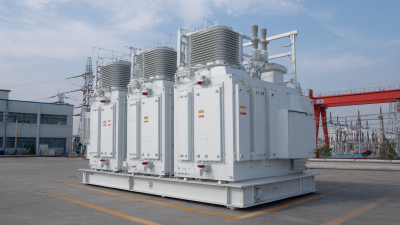
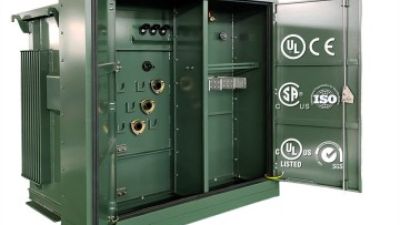
The transformative landscape of electric distribution is underscored by the insights from the 2023 North American Electric Distribution Market Report, especially concerning secure three-phase pad-mounted solutions. These robust devices play a crucial role in enhancing grid reliability and efficiency. Designed to operate at ground level, three-phase pad-mounted transformers efficiently convert medium-voltage power into lower voltages suitable for various applications, including commercial, industrial, and high-density residential areas.
With their tamper-resistant enclosures, these transformers ensure safety and reliability, serving as vital components in modern underground distribution systems. They are particularly valuable in urban settings where space constraints and the need for safe Power Distribution demand innovative solutions. The adaptability of three-phase pad-mounted transformers allows them to meet the specific needs of diverse environments, reinforcing the infrastructure that supports reliable energy delivery. Their role in the grid not only boosts efficiency but also reinforces the overall dependability of electrical systems, thus highlighting their importance in paving the way for a more resilient and efficient power distribution network.
FAQS
: The transformer's capacity must match your specific power requirements for optimal performance.
The environment is crucial. Dry-type transformers need ventilation and space for maintenance access.
Higher efficiency can save costs over time but may involve a higher initial investment.
Always check certifications to ensure compliance with performance and safety guidelines.
Proper ventilation prevents overheating and insulation breakdown, thus maintaining efficiency.
Regular inspections are essential. They can prevent dust buildup and resolve overheating issues.
Transformers in clean, stable environments generally last longer than those in harsh conditions.
Skipping maintenance can lead to failures. Many breakdowns could be prevented through standard strategies.
Conclusion
When selecting the best Three Phase Dry Type Transformer, it is essential to first understand the core principles of its functionality. Key factors to consider include the required voltage and power ratings, as these specifications determine the transformer's suitability for specific applications. Environmental conditions also play a crucial role; ensuring that the transformer is appropriate for its installation setting can significantly impact its performance and longevity.
Additionally, comparing efficiency ratings and understanding potential energy losses are vital for optimizing operational efficiency. Ensuring compliance with relevant safety standards is paramount to avoid hazards during operation. Finally, analyzing maintenance needs and considering the expected lifespan can help in making a well-informed decision, ensuring that the Three Phase Dry Type Transformer meets both current and future demands effectively.

 +86 18068001229
  Contact Phone
 Contact Email