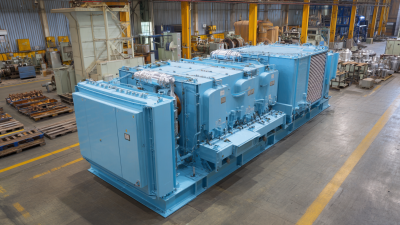
When it comes to energy distribution, getting a good grip on the Pad Mounted Transformer Specifications is pretty important. Experts like John Smith over at PowerTech Corp often highlight just how critical these specs really are. He even mentions, “Choosing the right transformers the right way can really boost efficiency,” which kinda shows how vital it is to have solid knowledge before making a pick.
The specs on these transformers basically set the stage for how they’ll perform, how safe they are, and how long they last. Everything from voltage ratings to how much heat they can handle really matters. Plus, you gotta think about how they’ll work in different environments—whether you’re plugging one in a busy city or out in the countryside, the goal is to keep things reliable while keeping the environment happy.
Of course, even with all the tech strides, some parts still trip people up. A lot of buyers tend to overlook the crucial specs, which can end up costing a pretty penny. Looking back at past mistakes, it’s clear that missing these details is a common pitfall. That’s why I think this guide can really help shed some light on how complex Pad Mounted Transformers can be, making it easier to navigate this sometimes confusing market.
Understanding Pad Mounted Transformers: An Overview
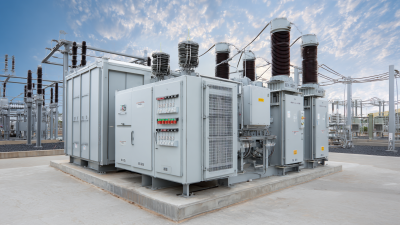
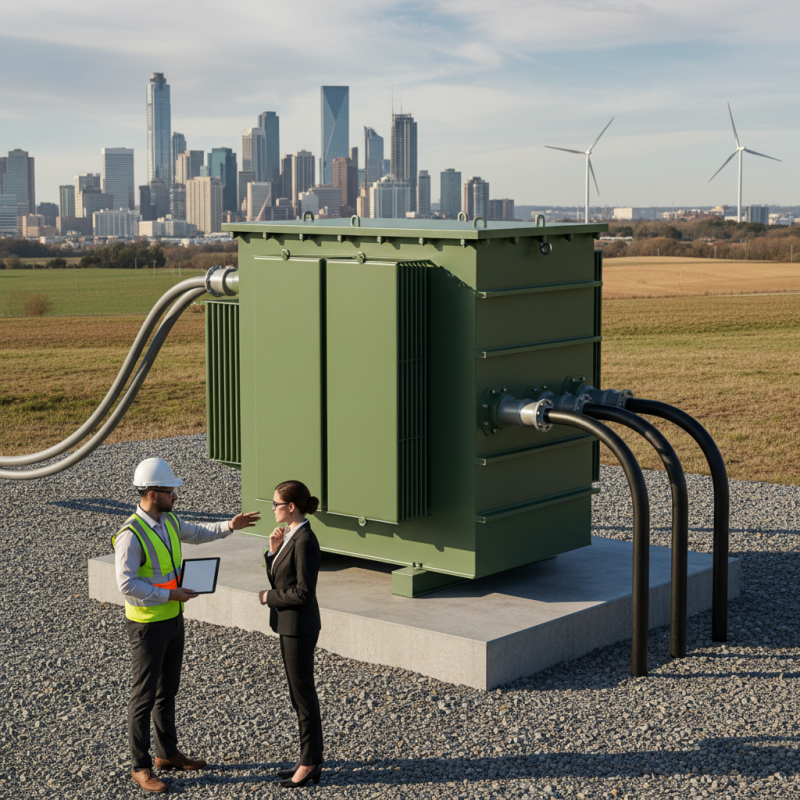
Understanding Pad Mounted Transformers involves grasping their key features and applications. These transformers are crucial in electrical distribution systems. They provide a safe way to step down high voltage electricity to a usable level. Typically installed on concrete pads, they're designed for outdoor use, offering protection against harsh environmental conditions.
When selecting a Pad Mounted Transformer, consider its capacity and voltage rating. Distinct specifications will affect performance. Some transformers are better suited for urban areas, while others thrive in rural settings. Proper installation is vital for safety and efficiency. Mistakes in placement or connection can lead to significant issues, such as equipment failure or safety hazards.
Maintenance practices for Pad Mounted Transformers are essential yet often overlooked. Regular inspections can identify potential problems before they escalate. Ignoring maintenance needs can lead to increased downtime and repair costs. Being proactive can save resources in the long run. Understanding these factors helps ensure reliable operation in various applications.
Key Specifications to Consider for Pad Mounted Transformers
When selecting pad mounted transformers, some key specifications deserve attention. The transformer’s voltage rating is vital, as it determines compatibility with your electrical system. Common voltage ratings include 12 kV to 34.5 kV. Ensure the voltage rating aligns with your project's requirements.
Another important aspect is the transformer’s capacity, measured in kVA. Proper sizing is crucial for efficiency and longevity. Underestimating capacity can lead to overheating, while overrated transformers may be less efficient. Calculate the expected load before making a decision.
Don’t overlook the enclosure rating. A sturdy enclosure protects against the elements and vandalism. Look for ratings like NEMA 3R or 4, which indicate the level of protection offered. Additionally, consider the cooling method. Air-cooled transformers are standard, but oil-cooled models can be more efficient in specific environments. Always weigh the pros and cons based on your specific needs to ensure reliability and performance.
Types of Pad Mounted Transformers and Their Applications
When choosing the right pad mounted transformer, understanding its types and applications is crucial. Pad mounted transformers are designed for outdoor installation. They provide power transformation in urban areas and industrial settings. These transformers vary in size and capacity, enabling flexible use for different electrical loads. For instance, a Zgs Pad-Mounted Transformer is often utilized in residential areas due to its compact design.
There are several types of pad mounted transformers. Single-Phase Transformers are suitable for residential use, while three-phase transformers cater to larger commercial or industrial applications. Some models are designed for specific environmental conditions. These carefully engineered solutions ensure reliability and efficiency. Despite their advantages, it is essential to consider installation and maintenance needs. Proper installation practices can prevent operational issues.
Each application demands certain specifications. For heavy industrial loads, larger capacities are necessary. However, smaller applications may not require high capacities, leading to potential over-specification. It is important to assess the energy demands accurately. A mismatch can lead to inefficiency and increased costs. Users should reflect on their needs before purchasing to achieve optimal performance.
Material and Design Factors in Transformer Specifications
When evaluating pad mounted transformers, material and design elements play a crucial role in performance. High-quality steel is often utilized for cores, enhancing efficiency. This choice impacts energy loss and heat dissipation. Copper windings are preferred for their superior conductivity. According to industry reports, copper transformers can reduce energy losses by up to 30%.
Tips: Prioritize low-loss materials.
Insulation materials, such as epoxy or paper, greatly influence transformer longevity. They must withstand harsh environmental conditions. Inadequate insulation could lead to premature failures and costly downtime. Research indicates that transformers with advanced insulation often exhibit a longer lifespan, providing a higher return on investment.
Tips: Regularly inspect insulation.
Design factors, including compactness and cooling methods, are also vital. Modern pad mounted transformers are more compact, allowing easier installation. The integration of effective cooling mechanisms can further improve performance. The design should account for heat generation and heat transfer to maintain efficiency. Aim for designs that maximize space usage while ensuring reliability.
Safety Standards and Compliance for Pad Mounted Transformers
When selecting pad mounted transformers, safety standards are paramount. These devices need to meet strict regulations to ensure the safety of users and the public. Common standards include the National Electrical Code (NEC) and the Institute of Electrical and Electronics Engineers (IEEE) guidelines. Compliance with these standards is vital for reliability and performance.
Tips: Regular inspections can help identify potential issues. Check for any signs of wear or damage. Maintenance should be proactive rather than reactive.
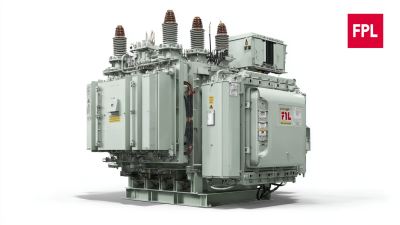
Additional considerations include environmental factors. Ensure transformers like the Fpl Pad Mounted Transformer are suitable for the local climate. Factors such as humidity and temperature can affect performance. It's crucial to review installation site conditions for optimal operation.
Tips: Always review installation procedures and safety guidelines. Inadequate training can lead to mistakes and risks.
A focus on compliance means understanding your local regulations. Consider consulting with industry experts or engaging with local authorities. Knowledge of all pertinent standards can prevent costly errors down the line.
2026 Top Pad Mounted Transformer Specifications Buyers Guide
| Specification | Value |
| Rated Power | 500 kVA |
| Voltage Class | Primary: 12 kV, Secondary: 480 V |
| Cooling Type | ONAN (Oil Natural Air Natural) |
| Frequency | 60 Hz |
| Insulation Class | A (90°C) |
| Protection Rating | NEMA 3R |
| Standards Compliance | IEEE C57.12.28, ANSI C57.12.00 |
| Weight | 2500 lbs (1134 kg) |
Maintenance Best Practices for Pad Mounted Transformers
Maintaining pad-mounted transformers is crucial for their longevity and efficiency. Regular inspections can prevent major issues. Look for signs of wear, leaks, or rust. A simple visual check can reveal problems before they escalate. It's essential to ensure that the transformer remains dry and free of debris. Keeping the area around the transformer clear can enhance airflow and cooling.
Cleaning the transformer should not be overlooked. Over time, dust and dirt can accumulate, affecting performance. A thorough cleaning routine will help maintain optimal function. Inspect seals and gaskets regularly to avoid moisture ingress. Any signs of deterioration should prompt immediate replacement.
Remember, while regular maintenance is vital, awareness of the transformer's operating environment is equally important. Unexpected weather changes can impact performance. Always keep records of inspections and repairs. Analyzing this data over time can offer insights into performance trends, helping to inform future maintenance strategies.
2026 Top Pad Mounted Transformer Specifications Buyers Guide
This bar chart illustrates the key specifications of top pad mounted transformers for the year 2026, including power rating, voltage class, weight, and cooling type. Each category provides essential insights for buyers in the maintenance and selection process.
Future Trends in Pad Mounted Transformer Technology
The pad mounted transformer technology is witnessing notable advancements. As energy efficiency becomes essential, new designs focus on reducing energy losses. Improved materials enhance performance while ensuring durability. Innovations in insulation systems are aimed at increasing the lifespan of equipment. This shift reflects a growing commitment to sustainability.
Predictive maintenance is becoming a key trend in the industry. Integrating IoT devices allows for real-time monitoring of transformer conditions. This technology reduces unplanned outages and improves reliability. However, it also raises concerns about cybersecurity. Companies must focus on securing data to protect their equipment and operations. The shift towards digitally connected systems requires careful planning and execution.
The demand for compact and modular designs is increasing. These units offer flexibility in installation and can fit into tighter spaces. Investors are showing interest in designs that are easier to install and maintain. Yet, balancing size and performance is still a challenge. The Doe Pad Mounted Transformer reflects these trends while facing scrutiny regarding its adaptability and longevity in various environments.
Evaluating the Impact of Secure Three-Phase Pad-Mounted Distribution Solutions on Utility Efficiency: Insights from Industry Reports
The impact of secure three-phase pad-mounted distribution solutions on utility efficiency cannot be overstated, particularly in a world that increasingly relies on robust electrical infrastructure. These transformers are pivotal in stepping down medium-voltage power to lower voltage levels suited for various applications, including commercial, industrial, and high-density residential settings. By utilizing a three-phase pad-mounted transformer, utilities can enhance the reliability and safety of their distribution networks while meeting the growing demand for electricity in urban and industrial areas.
The tamper-resistant design of these transformers not only ensures security but also promotes adaptability in underground distribution systems. This feature is essential for modern electrical grids that require resilience against environmental factors and potential tampering. The secure enclosure facilitates maintenance while minimizing the risk of downtime, thereby contributing to improved overall utility efficiency. Furthermore, the strategic deployment of these transformers supports the transition to more sustainable energy systems, as they can integrate seamlessly with renewable energy sources, thus promoting a more efficient and reliable distribution network for the future.
FAQS
: A pad mounted transformer steps down high voltage electricity for safe usage. It is typically outdoors on concrete pads.
Check the voltage rating and capacity. Correct sizing prevents overheating and inefficiency.
Regular inspections are necessary. Look for wear, leaks, or rust to catch issues early.
Keep it clean and dry. Remove debris around it to ensure proper airflow and cooling.
Ignoring maintenance can lead to major issues. It often results in increased downtime and repair costs.
A sturdy enclosure protects the transformer from harsh elements and vandalism. Consider ratings like NEMA 3R or 4.
Air-cooled transformers are common. Oil-cooled models may be more efficient in specific environments.
Weather changes can impact performance. Be aware of how conditions may affect the transformer’s operation.
Replace them immediately to avoid moisture ingress. This helps maintain optimal function.
Keep records of inspections and repairs. Analyzing this data offers insights for future maintenance strategies.
Conclusion
The article "2026 Top Pad Mounted Transformer Specifications Buyers Guide" provides a comprehensive overview of pad mounted transformers, emphasizing their significance in various applications. It delves into key specifications to consider when selecting pad mounted transformers, including aspects such as voltage ratings, capacity, and design configurations. Additionally, the article categorizes different types of pad mounted transformers and discusses their specific uses in utility and industrial settings.
Material and design factors also play a crucial role, impacting durability and efficiency. The importance of adhering to safety standards and compliance regulations guarantees the reliability of these transformers in operation. Maintenance best practices are highlighted to ensure optimal performance over time. Lastly, the article touches on future trends in pad mounted transformer technology, informing buyers of upcoming innovations and enhancements. Overall, understanding Pad Mounted Transformer Specifications is essential for making informed purchasing decisions in 2026 and beyond.

 +86 18068001229
  Contact Phone
 Contact Email