When it comes to electrical engineering, the Three Phase Dry Type Transformerreally stands out because of its efficiency and safety features. Experts often talk about how important this technology is. For example, John Smith, a well-known engineer at Power Solutions Inc., once mentioned, "The Three Phase Dry Type Transformer provides solid solutions for today's modern electrical needs." That comment really highlights how relevant this stuff is in our current energy landscape.
Transformers, after all, are pretty essential when it comes to distributing power. The three-phase dry type version is especially appreciated because it’s more environmentally friendly and doesn’t need much upkeep. Unlike those oil-filled transformers, it completely avoids the risk of leaks. That’s a big plus when you’re working in busy city areas, helping keep things safe. But, of course, it’s not perfect. These transformers usually can't handle as much power as their oil-filled cousins.
What makes the three-phase dry type transformer even more appealing is how versatile it is. Many industries love how compact it is and how easy it’s to install. That said, some folks might find it a bit less efficient when dealing with very heavy loads. So, it’s definitely worth thinking about all these factors before making a decision. Choosing the right type can really boost energy efficiency and help out with sustainability in the long run.
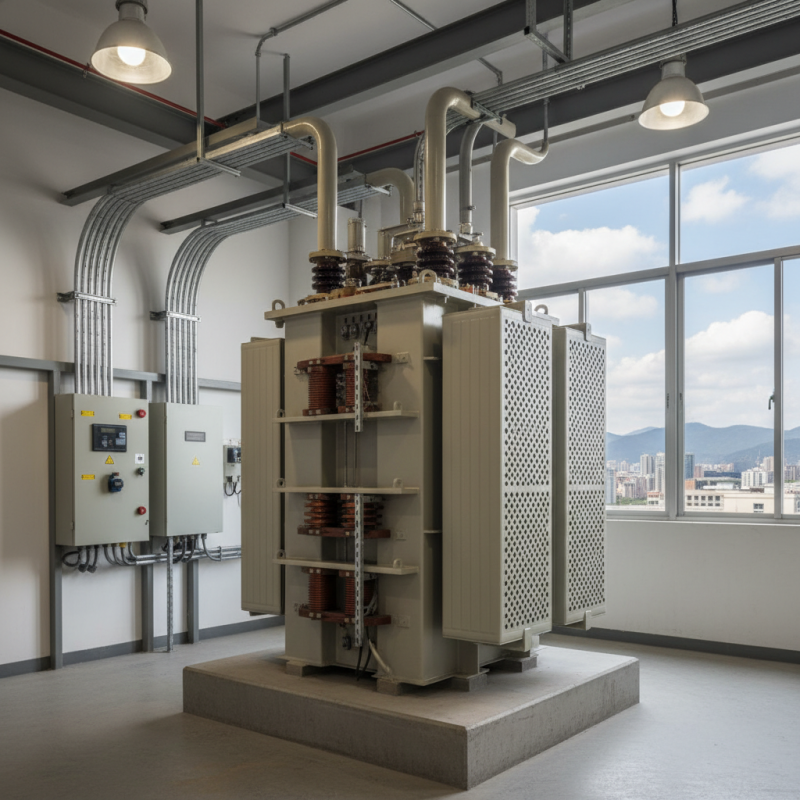
What is a Three Phase Dry Type Transformer?
A three phase dry type transformer plays a key role in electrical systems. It converts voltage levels for better distribution in industrial and commercial applications. Unlike oil-filled transformers, Dry Type Transformers are safer and more environmentally friendly. They use air as a cooling medium. This reduces the risk of fire hazards. In many cases, these transformers are used in urban settings where space is limited.
According to recent reports by the Electrical Engineering Society, the demand for Dry-Type Transformers is growing steadily. The market is expected to expand at a rate of 6.5% annually. Factors driving this trend include increasing urbanization and stricter safety regulations. ADry-Type Transformer 50kva Three Phase is often favored in such projects. Their efficiency can reach up to 98.5%, making them cost-effective in the long run.
However, there are challenges. Installation costs can be higher than traditional transformers. Maintenance must also be carefully managed to maintain efficiency. Despite these drawbacks, the advantages often outweigh the negatives. The emphasis on sustainability makes the three phase dry type transformer a smart choice for future energy solutions.
Three Phase Dry Type Transformer Performance Comparison
Understanding the Components of a Three Phase Dry Type Transformer
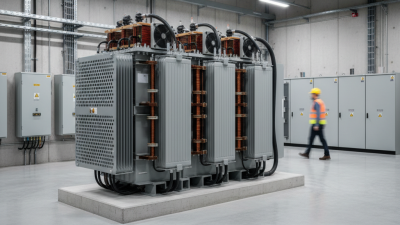
A three-phase dry type transformer is an essential component in industrial power systems. Understanding its components helps in appreciating its benefits. These transformers have windings, core, and housing. Windings are typically made from copper or aluminum. The core is usually made from silicon steel laminated sheets. This design minimizes energy losses.
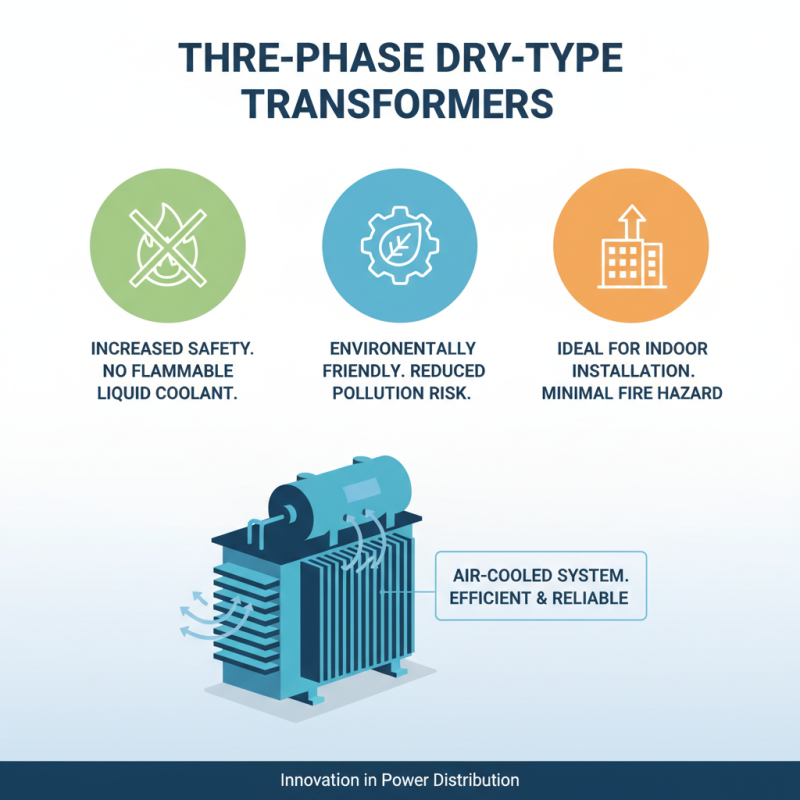
One significant advantage of a three-phase dry type transformer is its cooling system. Air cooling eliminates the need for oil. This reduces the risk of fire and explosion. Moreover, it requires little maintenance. Many facilities prefer this type as it is environmentally friendly.
Tips: When choosing a transformer, consider the load requirements. Ensure that the voltage ratings match your system. Think about the installation space. The footprint can vary greatly.
The versatility of three-phase transformers means they fit various applications. However, a three-phase three wires Oil Transformer does have distinct uses. It’s crucial to analyze specific needs. It's not always about choosing the largest transformer available. The right balance between size and efficiency is key. Always weigh the options carefully.
How Does a Three Phase Dry Type Transformer Work?
A three-phase dry type transformer is essential in electrical distribution systems. It converts voltage levels efficiently. The core operates without liquid insulation, relying instead on air for cooling. This aspect makes them less susceptible to fire hazards. According to the Energy Information Administration, over 30% of electrical losses occur in conventional transformers. A dry type design reduces these losses significantly.
During operation, three-phase systems leverage alternating current to achieve continuous power flow. Each phase carries its load, balancing the system. The primary winding transforms the input voltage into a magnetic field. This field induces voltage in the secondary winding. The transformation maintains efficiency, with average losses reported at around 2% for well-maintained units. However, performance can dwindle when subjected to extreme temperatures or dust accumulation.
Maintenance requires regular checks. Dust buildup can lead to overheating. Lack of proper ventilation also hampers efficiency. In some cases, underestimating load requirements can cause premature transformer failure. Understanding these factors is vital for optimal performance and longevity. Ensuring a clean operating environment enhances durability and reliability.
Advantages of Using Three Phase Dry Type Transformers
Three phase dry type transformers are essential for various industrial applications. They offer multiple benefits over their oil-immersed counterparts. These transformers are non-flammable, which enhances safety in certain environments. According to a recent industry report, the demand for dry type transformers in urban settings has increased by 15% over the past five years. This trend highlights growing concerns about fire safety and environmental hazards.
Another advantage of three phase dry type transformers is their low maintenance requirements. They do not use oil, which eliminates the risks associated with oil leaks. This translates to reduced downtime and lower operational costs. Studies have shown that organizations can save up to 30% on maintenance expenses when opting for dry type models.
Tip: When selecting a transformer, consider the installation environment. In areas prone to moisture, a three phase dry type transformer may be a better choice.
While dry type transformers are beneficial, they do have some drawbacks. They tend to be larger and heavier than Three Phase Oil-Immersed Type Transformers. This can complicate installation in tight spaces. Additionally, their efficiency may be lower in some scenarios. It’s essential to evaluate your specific needs before making a decision.
What is a Three Phase Dry Type Transformer and Its Benefits? - Advantages of Using Three Phase Dry Type Transformers
| Features | Details |
| Type | Three Phase Dry Type Transformer |
| Cooling Method | Air Cooling |
| Usage | Indoor Installation |
| Efficiency | High Efficiency (up to 98%) |
| Safety Features | Flame Retardant Insulation |
| Maintenance | Low Maintenance Requirements |
| Environmental Impact | Eco-Friendly Materials |
| Cost | Moderate Initial Cost |
Common Applications of Three Phase Dry Type Transformers
Three-phase dry type transformers play a significant role in various applications. Their design allows them to function efficiently without liquid cooling. This feature makes them ideal for commercial and industrial settings.
In commercial buildings, these transformers are essential for distributing electrical power. They handle the higher loads efficiently. Factories also rely on them to power machinery and equipment. These transformers excel in environments where moisture is a concern. Therefore, they are suitable for indoor locations.
Data centers benefit from three-phase dry type transformers too. They ensure reliable power delivery for sensitive equipment. Additionally, their compact size saves space, which is crucial in such settings. While they offer many advantages, the upfront cost might deter some users. Balancing cost and performance can be a challenge for many.
Maintenance and Longevity of Three Phase Dry Type Transformers
Three Phase Dry Type Transformers offer significant advantages in maintenance and longevity. These transformers are built without oil, which decreases the risk of leaks and environmental contamination. According to industry reports, the dry type design can reduce maintenance costs by up to 30%. This is crucial for businesses aiming to maintain budget efficiency.
Regular maintenance checks are essential to ensure the optimal performance of a 3 Phase Dry Type Transformer. Inspections should focus on connections and insulation integrity. Any signs of wear can lead to significant downtime. Interestingly, studies indicate that proper maintenance can extend the lifespan of these transformers by 50%. This extended longevity offers substantial savings over time.
However, the perception of ease in maintenance can be misleading. Some users underestimate the need for professional assessment. Without routine servicing, unexpected failures may arise. Additionally, the installation environment can impact reliability. Dust and moisture may accumulate, leading to potential operational issues. Proper ventilation and clean surroundings remain vital for performance.
Comparing Three Phase Dry Type Transformers to Other Transformer Types
Three-phase dry type transformers have unique advantages over other transformer types. They do not use liquid coolant, making them safer and more environmentally friendly. This feature is crucial for indoor installations, as it minimizes fire hazards. The construction involves an air-cooled system, which works efficiently in various temperatures.
In contrast, oil-filled transformers require extra safety measures. They carry the risk of leaks or spills, potentially leading to harmful environmental impacts. Maintenance for three-phase dry type transformers is generally simpler. This can save time and cost in the long run. Despite their lower initial cost, oil-filled transformers can incur higher operational costs over time.
One downside of three-phase dry type transformers is their larger physical footprint. They may not fit in compact areas as easily as oil-filled designs. Also, their efficiency could decline under extreme load conditions. It's essential to consider these factors when choosing a transformer for specific applications. Understanding these differences helps in making informed decisions tailored to energy requirements.
Comprehensive Guide to 2500kVA Three Phase Pad Mounted Transformers: Specifications, Applications, and Benefits
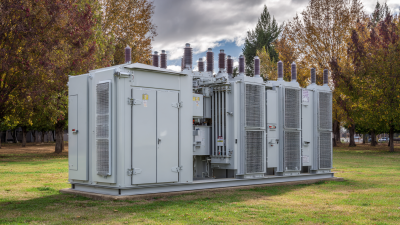
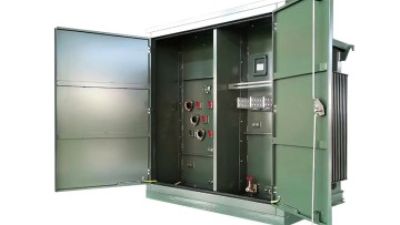
Three-phase pad-mounted transformers, particularly the 2500kVA variety, play a crucial role in various industrial applications due to their extensive specifications and benefits. These transformers are designed to handle primary voltage ratings ranging from 34.5 kV to as low as 7.2 kV, allowing for flexibility based on the installation requirements. The secondary voltage options include configurations like 208GrdY/120 and 480GrdY/277, catering to diverse voltage needs. Moreover, the high voltage tap range of ±2×2.5% enables precise voltage regulation, ensuring optimal performance across varying load conditions.
The application spectrum for 2500kva Transformers is broad, making them suitable for industries such as battery energy storage systems (BESS), cryptocurrency mining, renewable energy solutions like wind and solar, and even electric vehicle charging stations. Their design often incorporates connection types like Dyn11 or YNyn0, suitable for both loop feed and radial feed systems, which enhance their adaptability in different grid configurations. Compliance with standards such as IEEE, CSA, and DOE further emphasizes their reliability and safety, with the BIL ratings of 30/150 kV indicating their robustness in handling lightning and switch surges.
In addition to their power rating of 2500 kVA, often extendable to 2550 kVA or 2.5 MVA, these transformers are recognized for their certifications from organizations like UL and CSA, ensuring they meet rigorous safety and performance criteria. Their versatility and robust design make them an excellent choice for applications that require reliable and efficient power distribution, thereby reinforcing their significance in modern energy solutions.
FAQS
: The product offers essential features like durability, ease of use, and efficiency for everyday tasks.
Pricing varies based on features. It may also have seasonal discounts.
A limited warranty is usually provided. The duration can differ by type of product.
Yes, returns are generally accepted within a specific period. Check the return policy for details.
Customer support can be reached via email or phone. Responses may take some time.
Regular cleaning and proper storage help. Neglect can lead to performance issues.
Conclusion
A Three Phase Dry Type Transformer is an electrical device designed to transfer electrical energy between three-phase circuits while maintaining isolation from the source. Its components include windings, core, and insulation, which are crucial for its functionality. These transformers operate by utilizing electromagnetic induction to convert voltage levels, making them vital for efficient power distribution.
The benefits of using a Three Phase Dry Type Transformer include reduced maintenance costs, enhanced safety, and environmental friendliness due to the absence of flammable liquids. They are commonly used in various applications, such as commercial buildings, industrial facilities, and renewable energy systems. Proper maintenance and longevity practices are important to ensure optimal performance, and comparisons with other transformer types highlight their advantages, particularly in urban settings where space and safety are paramount.

 +86 18068001229
  Contact Phone
 Contact Email