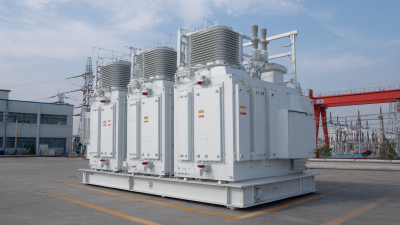
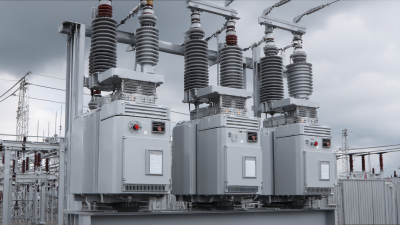
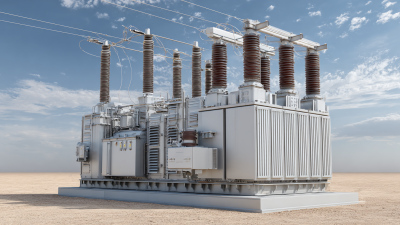
In today’s fast-changing world of electrical systems, making power distribution both efficient and reliable is more important than ever. One of the key players in this space is the Three Phase Dry Type Transformer. It’s been getting a lot of attention lately, mainly because it’s safer, easier to maintain, and just works really well. As John Smith, a well-known expert in electrical engineering, puts it, “The Three Phase Dry Type Transformer delivers incredible efficiency when it comes to turning high voltage electricity into usable power. It’s pretty much a must-have for industrial settings.”
What’s pretty cool about these transformers is that they don’t need liquid cooling like traditional ones. Instead, they use air to insulate and cool down, which makes them safer, especially in places where oil-filled transformers might be risky. Plus, their design isn’t just about performance — it also helps reduce environmental impact, which lines up perfectly with modern sustainability goals. As the need for reliable power solutions keeps growing, it’s super helpful for professionals in the field to really understand what these transformers are all about and how they’re used in real-world applications.
Getting into the nuts and bolts of how these transformers work and why they’re such a game-changer can give us a clearer picture of their role in boosting efficiency across all sorts of sectors — from manufacturing plants to renewable energy projects.
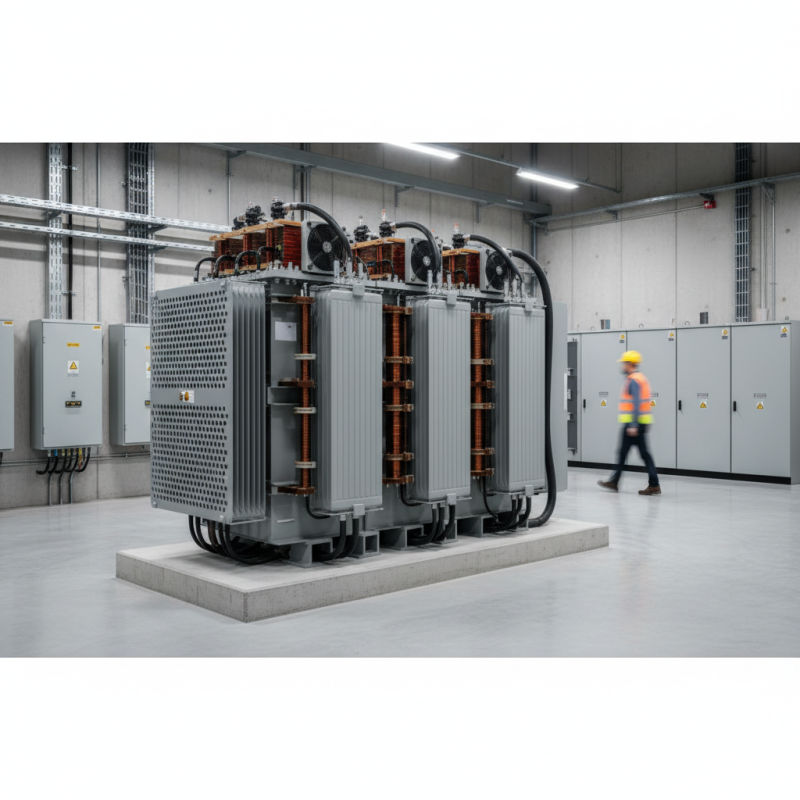
What is a Three Phase Dry Type Transformer?
A three-phase dry type transformer is a type of transformer that operates using three-phase alternating current (AC) to efficiently step up or step down voltage levels. Unlike oil-filled transformers, Dry Type Transformers use air or solid insulation materials to cool and insulate the transformer windings. This design feature makes them suitable for a variety of applications, especially in environments where flammable materials are present or where safety regulations are stringent, such as in commercial buildings and industrial facilities.
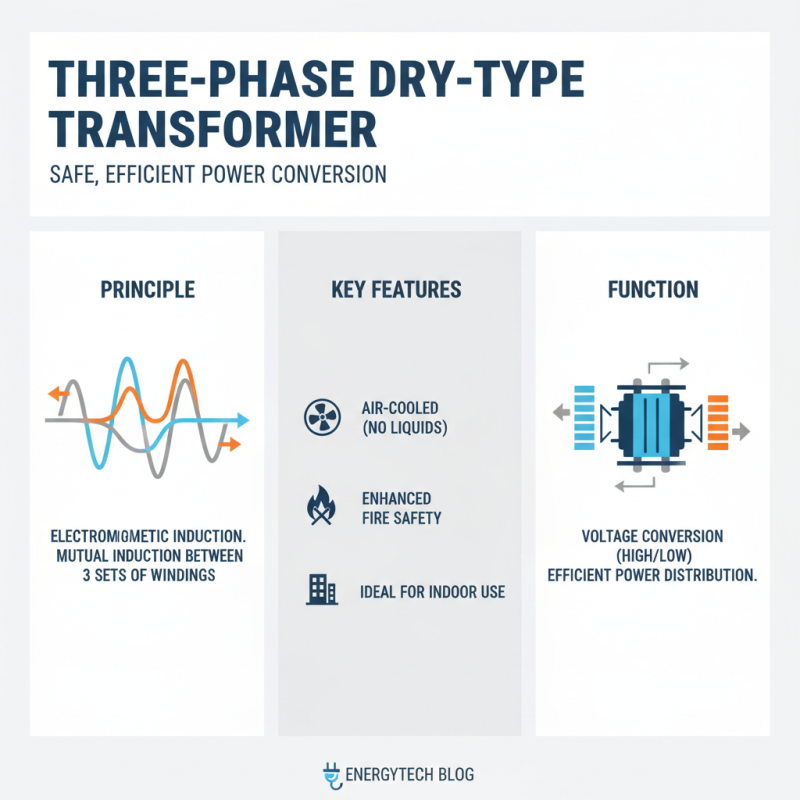
The operational principle of a three-phase dry type transformer is based on electromagnetic induction. It consists of three sets of primary and secondary windings wound around a core. When the primary windings are energized with three-phase AC, a magnetic field is generated in the core, inducing a voltage in the secondary windings. The voltage transformation ratio is determined by the turns ratio of the windings, allowing for efficient voltage regulation. According to a report by the International Energy Agency, the global market for Dry-Type Transformers was valued at approximately $5.1 billion in 2020 and is expected to continue growing, driven by increasing demand for energy-efficient solutions in power distribution and industrial applications.
Moreover, dry type transformers deliver several advantages, such as lower maintenance costs, reduced risk of fire hazards, and enhanced energy efficiency. As industries worldwide strive for more sustainable practices, the adoption of such transformers aligns with energy conservation initiatives, contributing to reduced carbon footprints. Various studies suggest that utilizing dry type transformers can result in efficiency improvements exceeding 98%, underscoring their importance in modern electrical infrastructure.
Performance Characteristics of Three Phase Dry Type Transformers
Key Components of Three Phase Dry Type Transformers
Three phase dry type transformers play a crucial role in electrical systems, particularly in industrial and commercial applications. The primary components of these transformers include the core, windings, and insulation system. The core, typically made from laminated silicon steel, is designed to provide a low reluctance path for the magnetic flux. This configuration significantly reduces energy losses due to eddy currents, enhancing the transformer's efficiency.
The windings consist of three sets of coils, which are responsible for transferring electrical energy between the primary and secondary circuits. These windings are usually made from copper or aluminum and are arranged in a specific configuration, such as delta or wye, to address different voltage requirements. In addition to the core and windings, the insulation system is particularly important in dry type transformers. This system employs environmental-friendly materials, often epoxy resin or other synthetic compounds, to safeguard against moisture and chemical exposure, thus ensuring optimal performance and longevity.
Moreover, dry type transformers benefit from their cooling system, which is essential for maintaining safe operating temperatures. Air is typically used as the cooling medium, allowing the transformers to dissipate heat effectively. This feature makes them well-suited for indoor installations, where fire safety and maintenance accessibility are critical considerations. Overall, the design and materials used in the key components of three phase dry type transformers are pivotal in delivering reliability and efficiency in power distribution.
Working Principles of Three Phase Dry Type Transformers
A three-phase dry type transformer is designed to transfer electrical energy between two or more circuits through electromagnetic induction, without the use of liquid coolants. Instead, it utilizes air as a cooling medium, which makes it particularly suitable for indoor applications and environments where fire safety is a concern. The transformer operates on the principle of mutual induction, consisting of three sets of primary and secondary windings, each connected to a separate phase. This configuration allows it to convert high voltage to low voltage (or vice versa) while maintaining efficient power distribution.
The working principle of a three-phase dry type transformer involves three alternating currents flowing through the primary windings that create a rotating magnetic field. This magnetic field induces a voltage in the secondary windings, which are connected to the load. The phase difference maintained between the windings ensures a balanced output, providing uniform power levels across all three phases. Additionally, the transformer’s design minimizes losses due to its efficient insulation and robust construction, enabling it to manage high loads while dissipating heat effectively through convection. This makes it a favored choice for applications requiring reliable and safe electrical distribution.
Advantages of Using Dry Type Transformers Over Oil-Filled Transformers
Dry type transformers are increasingly favored in various applications due to their numerous advantages over traditional oil-filled transformers. One significant benefit is their enhanced safety profile. According to a report by the IEEE, dry type transformers have a reduced risk of fire, primarily due to the absence of flammable oil, which makes them ideal for installation in urban environments and industrial settings where safety is a paramount concern. Furthermore, the materials used in dry type transformers can withstand higher temperatures, allowing for improved thermal performance and reducing the likelihood of overheating.
Another advantage is their lower environmental impact. Studies indicate that dry type transformers eliminate the risks associated with oil leaks, which can contaminate soil and groundwater. The U.S. Department of Energy reported that the use of dry type transformers can significantly lower the carbon footprint when integrated into green building designs. Furthermore, these transformers typically require less maintenance than their oil-filled counterparts, as there are no oil levels to monitor and no potential issues with oil degradation. This not only reduces operational costs but also contributes to a more sustainable approach to electrical distribution.
Applications of Three Phase Dry Type Transformers in Different Industries
Three-phase dry-type transformers are essential components in various industries due to their reliability and efficiency in power distribution. One of the primary applications of these transformers is in manufacturing facilities, where they help step down high voltage electricity for use in machinery and equipment. The use of dry-type transformers minimizes the risk of fire hazards compared to oil-filled alternatives, making them ideal for environments where safety is a priority. Additionally, their compact design allows for easier installation in factories with limited space.
Another significant application is in commercial buildings, where three-phase dry-type transformers provide the necessary voltage conversion for lighting systems, HVAC units, and other electrical loads. These transformers support energy-efficient operations, contributing to lower operational costs. Furthermore, their robustness makes them suitable for outdoor installations, such as in substations or renewable energy systems, where they can effectively handle fluctuations in power and enhance the stability of the electrical grid. The versatility of three-phase dry-type transformers ensures they remain crucial in meeting the growing energy demands across diverse sectors.
What is a Three Phase Dry Type Transformer and How Does it Work - Applications of Three Phase Dry Type Transformers in Different Industries
| Industry | Application | Benefits | Power Rating (kVA) | Cooling Method |
| Manufacturing | Machinery Power Supply | High Efficiency, Low Maintenance | 1500 | Air-Cooled |
| Commercial | HVAC Systems | Space Saving, Energy Efficient | 1000 | Air-Cooled |
| Data Centers | Power Distribution | Reliability, Low Noise Operation | 500 | Air-Cooled |
| Renewable Energy | Wind and Solar Applications | Environmentally Friendly | 750 | Dry Type |
| Transportation | Electric Trains | High Power Capacity, Compact Design | 2000 | Air-Cooled |
Efficiency Ratings and Performance Metrics in Dry Type Transformers
Efficiency ratings and performance metrics are critical when evaluating Three Phase Dry Type Transformers, as they determine the operational effectiveness and reliability of these systems in various applications. Dry type transformers are renowned for their low maintenance requirements and enhanced safety profile, making them suitable for both indoor and outdoor installations. According to the International Electrotechnical Commission (IEC), the typical efficiency of dry type transformers can range from 95% to 99%, with newer models achieving efficiencies above 99%, significantly reducing energy losses during operation.
Performance metrics for dry type transformers often focus on their operational temperature, load capacity, and voltage regulation characteristics. Studies by the IEEE highlight that the insulation level and cooling methods employed in these transformers also play a crucial role in their thermal performance, impacting both lifespan and efficiency. For instance, transformers designed with advanced Resin Insulation Technology (RIT) can maintain lower operating temperatures, leading to extended service life and sustained performance under high-load conditions. Metrics such as load losses, no-load losses, and temperature rise are essential indicators, with optimal designs striving for minimum losses to enhance overall system efficiency and reliability.
Maintenance Best Practices for Three Phase Dry Type Transformers
Maintenance of three phase dry type transformers is crucial for ensuring their longevity and operational efficiency. According to a report by the Institute of Electrical and Electronics Engineers (IEEE), regular maintenance can reduce the risk of unexpected failures by up to 30%. Key practices should include routine inspections that focus on both mechanical and electrical components. Inspections should check for signs of overheating, which can be indicated by discoloration of windings or abnormal temperatures using thermal imaging.
Tip: Always schedule maintenance tasks during off-peak hours to minimize impact on operations.
Another important aspect of maintenance is ensuring that the transformers are clean and free from dust and contaminants. Accumulation of debris can lead to poor heat dissipation, which is critical for performance. The National Electrical Manufacturers Association (NEMA) suggests implementing a cleaning schedule every six months to maintain optimal airflow around the units. Additionally, monitoring the transformer’s insulation resistance can help identify potential insulation breakdowns before they lead to larger issues, allowing for proactive measures rather than reactive.
Tip: Invest in predictive maintenance technologies, like vibration analysis and infrared thermography, to catch potential issues early.
Innovative Secure Three-Phase Pad-Mounted Distribution Solutions for Enhanced Power Management and Safety
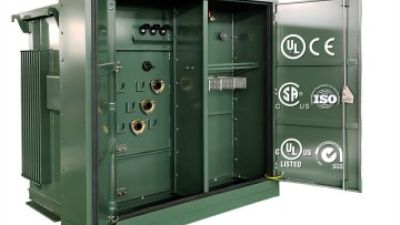
The innovative secure three-phase pad-mounted distribution solutions are reshaping the landscape of power management and safety in urban environments. These robust, ground-level transformers are specifically engineered to efficiently step down medium-voltage power, catering to the needs of commercial, industrial, and high-density residential applications. With their tamper-resistant enclosures, they not only enhance system reliability but also provide a critical layer of security against unauthorized access.
Designed to thrive in underground distribution systems, three-phase pad-mounted transformers offer a seamless integration of safety and performance. These devices ensure that power distribution remains dependable even in dense urban settings, where space and security are paramount concerns. Their adaptability makes them ideal for a wide range of utilities, sought after for their ability to manage power effectively while mitigating risks associated with electrical distribution. This focus on enhanced safety protocols and infrastructure resilience significantly contributes to improved overall power management strategies, ensuring that electricity reaches consumers safely and efficiently.
FAQS
: A three-phase dry type transformer is a transformer that uses three-phase alternating current to step up or step down voltage levels. It utilizes air or solid insulation for cooling and insulation instead of oil, making it suitable for environments with flammable materials.
The transformer operates on the principle of electromagnetic induction, with primary and secondary windings creating a magnetic field in the core when energized, inducing a voltage in the secondary windings based on the turns ratio.
The key components include the core (usually laminated silicon steel), windings (commonly made of copper or aluminum), and the insulation system (environmentally friendly materials like epoxy resin).
Advantages include lower maintenance costs, reduced fire hazards, enhanced energy efficiency, and high operational reliability, with efficiency improvements often exceeding 98%.
Regular maintenance is crucial to ensure longevity and operational efficiency. It can reduce unexpected failures by up to 30% and involves routine inspections of mechanical and electrical components.
Maintenance tasks, including inspections and cleaning, are recommended at least every six months to ensure optimal performance and prevent overheating.
Key practices include routine inspections for overheating, maintaining cleanliness to ensure proper heat dissipation, and monitoring insulation resistance to detect potential issues early.
It is advised to schedule maintenance during off-peak hours to minimize disruption to operations.
Investing in predictive maintenance technologies such as vibration analysis and infrared thermography can help identify issues early, leading to proactive maintenance measures.
Conclusion
A Three Phase Dry Type Transformer is a vital electrical device used for voltage transformation in three-phase systems. Unlike oil-filled transformers, these transformers utilize air for cooling, making them safer and more environmentally friendly. The main components include the primary and secondary windings, core, and insulation materials, which work together to transfer electrical energy efficiently while minimizing losses.
In addition to their effective performance and high efficiency ratings, Three Phase Dry Type Transformers are favored in various applications, such as industrial facilities, commercial buildings, and renewable energy systems due to their low maintenance requirements and durability. Proper maintenance practices are essential to ensure their longevity and reliable operation. Overall, the advantages and applications of Three Phase Dry Type Transformers make them an integral component in modern electrical systems.

 +86 18068001229
  Contact Phone
 Contact Email