So, when you're picking out a 250 Kva Single Phase Pad Mount Transformer, there are actually quite a few important things to keep in mind. Honestly, stats show that these transformers are pretty much the backbone when it comes to distributing electricity efficiently, especially in homes and commercial spots. Did you know that around 70% of electrical problems are due to not having the right transformer capacity? That’s a pretty clear sign that making the right choice really matters.
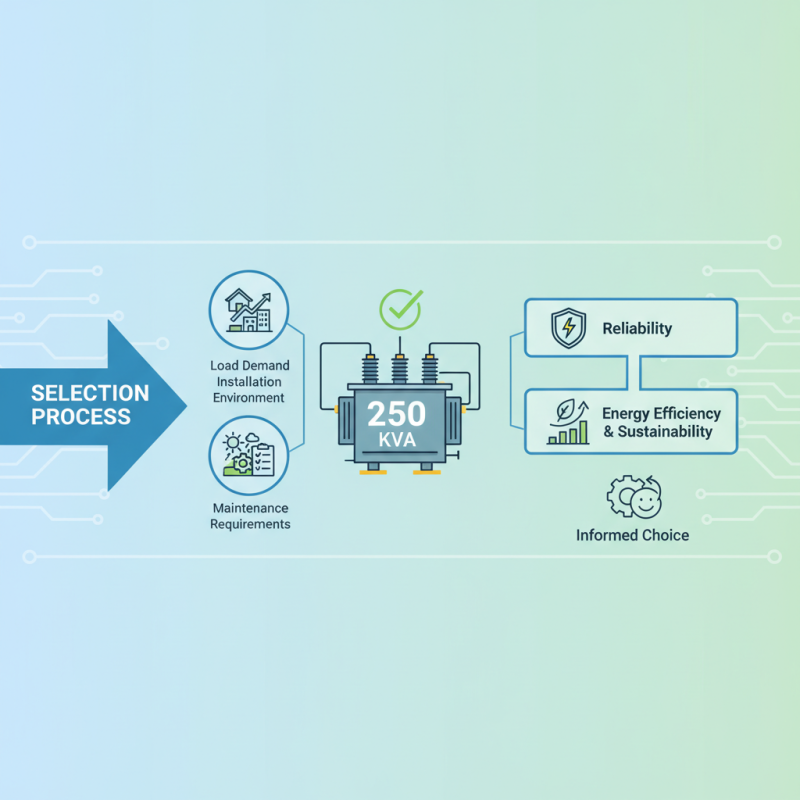
John Smith, who’s pretty much a go-to guy in electrical engineering, once said, ‘The kind of transformer you choose can make a big difference in both how it performs and how long it lasts.’ And honestly, that’s mostly true — picking the right one isn’t just about specs, it’s about understanding your needs. Things like how much power you need, where you’re installing it, and how easy it is to maintain — those are super important. The right transformer will keep things running smoothly, but a lot of folks tend to overlook these details.
Deciding on the perfect transformer can feel a little overwhelming, no lie. It’s really about finding that balance between the technical stuff and what actually works in real life. Looking back at past projects, it’s clear that rushing into a decision can lead to problems. Learning from those mistakes can help us make smarter choices down the line. Do it right, and that 250 Kva Single Phase Pad Mount Transformer will not only run efficiently but will also help you manage energy better for years. It’s all about making a good call now to avoid headaches later.
Understanding Pad Mount Transformers and Their Applications
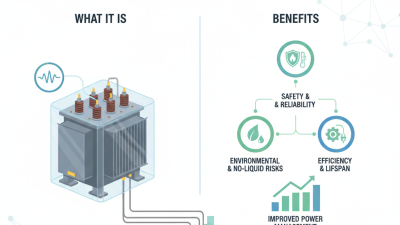
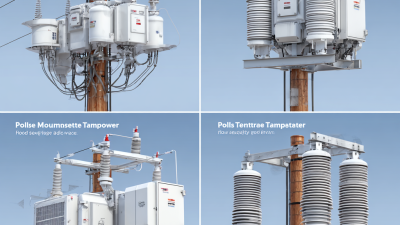
When selecting a 250 Kva single phase pad mount transformer, understanding its applications is essential. These transformers are commonly used in residential and commercial settings. They help distribute electricity efficiently to meet specific power needs. Their pad-mounted design provides ease of access while ensuring safety.
Choosing the right transformer often involves some challenges. For instance, improper sizing can lead to overheating or inefficiencies. An overestimated capacity may result in wasted energy costs. On the other hand, underestimating power needs can lead to outages. It's crucial to analyze the expected load and future growth.
Placement and environmental factors also play a role. Transformers need to be positioned away from potential hazards. Consideration of temperature variations is important as well. Not all areas are suitable for installation. Reflect on these factors thoroughly to make the right choice.
Understanding the Efficiency of Pad Mount Transformers
Key Specifications to Consider for 250 KVA Transformers
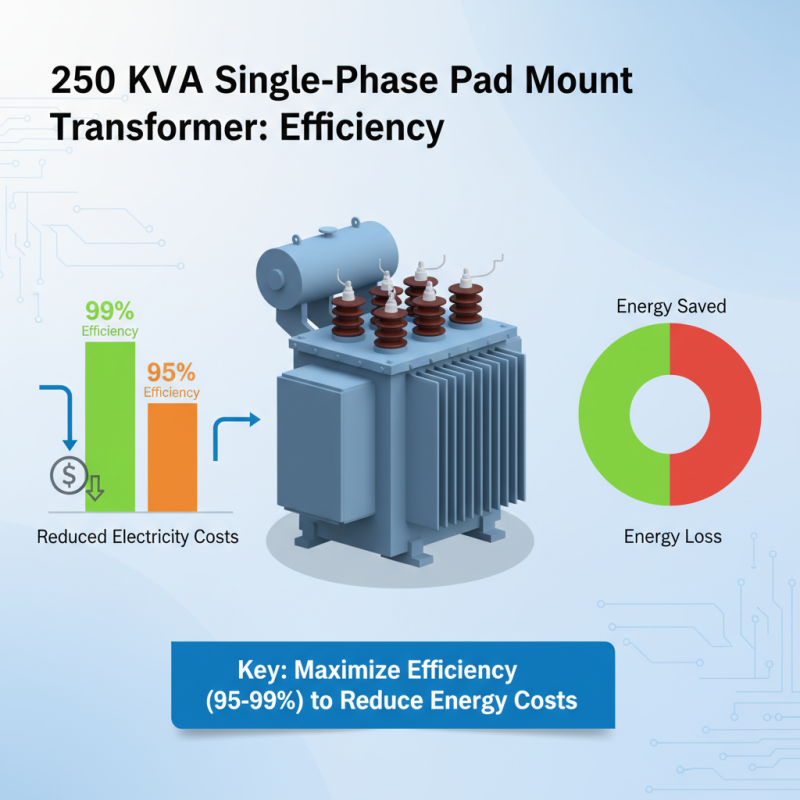
Selecting the right 250 KVA single-phase pad mount transformer hinges on understanding key specifications. One crucial factor is efficiency. According to industry reports, transformers operate between 95% and 99% efficiency. A small difference in efficiency can lead to significant energy losses. Focus on finding a model that maximizes this efficiency to reduce electricity costs.
Another essential aspect is the voltage rating. Most standard applications require a primary voltage of 12 kV or 25 kV. Depending on the setup, the secondary voltage may vary from 120/240 V to 277/480 V. It's vital to ensure compatibility. An unsuitable voltage can result in overheating or system failures, causing downtime and potential hazards.
Consider the temperature rating and insulation class as well. A transformer designed to withstand high temperatures will enhance reliability. The National Electrical Manufacturers Association (NEMA) suggests a Class A or Class B insulation for optimal performance. Some users may overlook these factors and may face issues later. Adjusting to specific environmental conditions is critical to prolonging the life of your transformer. Always assess the operating environment and load requirements before making a choice.
Evaluating Single Phase vs. Three Phase Transformer Options
When choosing between single-phase and three-phase transformers, consider your specific needs. Single-Phase Transformers are often more straightforward to install. They typically support smaller loads and are ideal for residential applications. This simplicity can lead to less clutter and easier maintenance.
On the other hand, three-phase transformers are better suited for larger, industrial applications. They can handle higher loads efficiently. This setup reduces the overall size of the wiring and increases energy efficiency. However, their complexity can lead to installation challenges. Proper planning and evaluation are critical.
Reflect on your goals. Will you expand in the future? If so, a three-phase option might offer more flexibility. But, if you prioritize ease and simplicity, single-phase could be the way to go. Evaluate your space, workload, and future needs closely.
Importance of Load Calculations in Transformer Selection
When selecting a 250 Kva single-phase pad mount transformer, load calculations play a critical role. Accurate load calculations ensure the transformer meets the specific energy demands of your application. Overestimating or underestimating can lead to inefficiencies, potential equipment damage, or unnecessary costs.
Consider the total wattage of all connected devices. Multiply this by a safety factor to avoid overloads. Some might neglect additional future load growth, leading to issues down the line. Gaps in calculations can negatively impact the performance. It’s wise to reevaluate current and future requirements.
While factors like voltage and phase are essential, they often divert attention from load calculations. Simple errors, such as forgetting small devices, can skew results. Reflecting on past experiences can guide your current choices. Ensure every device and its operation time is accounted for in the calculations. This level of diligence helps secure a reliable and efficient transformer system.
Assessing Site Requirements for Transformer Installation
Installing a 250 KVA single-phase pad mount transformer requires careful site assessment. Look closely at the area where you'll place it. Consider the available space and surrounding infrastructure. Is there enough room for maintenance? This may seem trivial, but it's crucial. Proper clearance must be maintained for safety and accessibility.
Evaluate the local environment. Is the ground stable? A weak foundation can lead to future issues. Heavy rains or flooding can damage the transformer. Additionally, check the proximity to power lines. They should be a safe distance away to avoid interference during installation. Also, take note of any potential obstacles. Trees, buildings, or other structures can create complications.
Access to the site is another factor to consider. Ensure that trucks can deliver the equipment without difficulty. Narrow roads can pose challenges. After considering these details, reflect on potential challenges. Sometimes, things don't go as planned. Be ready to adapt your strategy. Unexpected site conditions may arise, but thorough preparation can mitigate many risks.
Cost Considerations and Budget Planning for Transformers
When choosing a 250 kVA single-phase pad mount transformer, budget considerations are key. The cost can vary significantly based on features, efficiency, and installation needs. Industry reports suggest that the average price range for such transformers falls between $5,000 and $10,000. This price can fluctuate based on specifications and local market conditions.
Tips: Assess your actual power needs. Oversizing can lead to unnecessary expenses.
Installation costs can add 20% to 40% to the total budget. Site preparation, permits, and labor must be considered. A poorly planned installation can result in unexpected fees. Local regulations may also dictate specific requirements, affecting costs. Always gather multiple quotes before making decisions.
Tip: Invest time in researching local contractors. They can provide insights that save money.
It's essential to factor in long-term costs. A transformer with higher efficiency may have a higher initial price but can offer savings on energy bills over time. Some models reveal a lifespan of upwards of 30 years, making durability a crucial element in your decision. Reflect on your budget strategy and adjust as necessary.
Regulatory Compliance and Safety Standards for Transformers
Choosing the right transformer involves understanding regulatory compliance and safety standards. In the U.S., for instance, the National Electrical Manufacturers Association (NEMA) sets guidelines that ensure transformers operate efficiently and safely. Compliance with these standards is crucial, as transformers that don’t meet safety requirements can pose serious risks.
Regular inspections and maintenance are often overlooked. According to the Electrical Safety Foundation International, failure to adhere to safety standards can result in increased equipment failure and costly downtime. Focus on the installation site; it should be dry and well-ventilated. This practice helps prevent overheating, which is a common transformer issue.
Tips: Always check local codes. Some regions have stricter requirements. Ensure all electrical connections are tight. Loose connections can lead to arcing and potential hazards. It’s also a good idea to document all maintenance activities. This documentation can be invaluable for regulatory compliance evaluations.
FAQS
: Focus on whole foods. Include fruits, vegetables, and whole grains. Avoid processed items.
Staying hydrated boosts energy. It improves focus and digestion. Drink enough water daily for optimal health.
Aim for at least 150 minutes of moderate activity. This can include walking, jogging, or cycling.
Choose nuts, yogurt, or fresh fruits. Avoid sugary snacks. Plan ahead to resist impulse eating.
Practice mindfulness or meditation. Take breaks and prioritize self-care. Small moments of calm help reduce stress.
Quality sleep is crucial. It affects mood and cognitive function. Aim for 7-9 hours each night.
It saves time and reduces food waste. Planning helps make healthier choices. Keep it simple to stay consistent.
Start with basic recipes. Experiment with flavors gradually. Practice often to build confidence in the kitchen.
Limit added sugars and unhealthy fats. Processed foods can disrupt balance. Focus on moderation and variety.
Set realistic goals. Track progress and celebrate small achievements. Find activities you enjoy to stay engaged.
Conclusion
When selecting a 250 Kva Single Phase Pad Mount Transformer, it is crucial to understand the specific applications and requirements for such transformers. Key specifications, including voltage ratings and efficiency, must be closely evaluated to ensure compatibility with the intended use. The decision between single-phase and three-phase transformers is significant, depending on the expected load and distribution needs.
Load calculations play an essential role in determining the appropriate transformer size, while site assessment ensures that installation requirements are met. Additionally, cost considerations and budgeting plans should be established to avoid overspending. Finally, adherence to regulatory compliance and safety standards is vital for safe and effective operation. By carefully considering these factors, one can ensure the optimal selection and installation of a 250 Kva Single Phase Pad Mount Transformer.

 +86 18068001229
  Contact Phone
 Contact Email