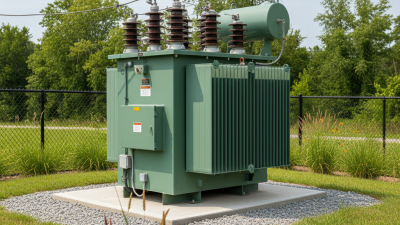
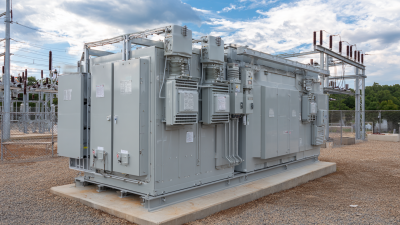
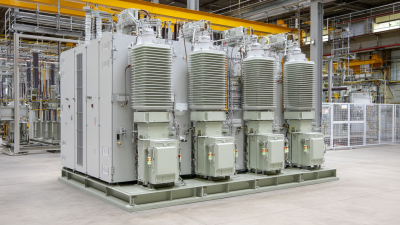
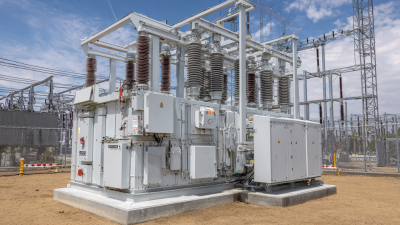
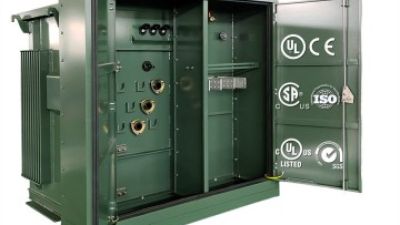
Hey, if you're diving into the world of electrical infrastructure, it's really important to get a good grip on what Pad Mounted Transformer Specs are all about—especially if you're a global buyer. I mean, experts like Michael Johnson over at Power Solutions Inc. always say, ‘Picking the right specs can make a huge difference when it comes to efficiency and how long your equipment lasts.’ Definitely worth paying attention to, right?
Now, the thing is, these specifications can vary a lot depending on where you're at and who’s making them. You'll want to look into stuff like voltage ratings, capacity, and environmental standards. Skipping over those details or not fully understanding them could end up costing you more or leading to less efficient systems. So, communicating clearly with your suppliers? Super important. You gotta make sure everyone’s on the same page, and that what they’re offering really fits your operational needs.
On the flip side, some companies don’t always give the clearest info about their products. That can be pretty frustrating and might make you hesitant. The trick is to go for reputable manufacturers and double-check anything they claim. If you do things smart—do your homework and ask the right questions—navigating the whole Pad Mounted Transformer Specs thing can actually lead to better results and a more reliable electrical setup. It’s all about being informed and asking the right questions, don’t forget that.
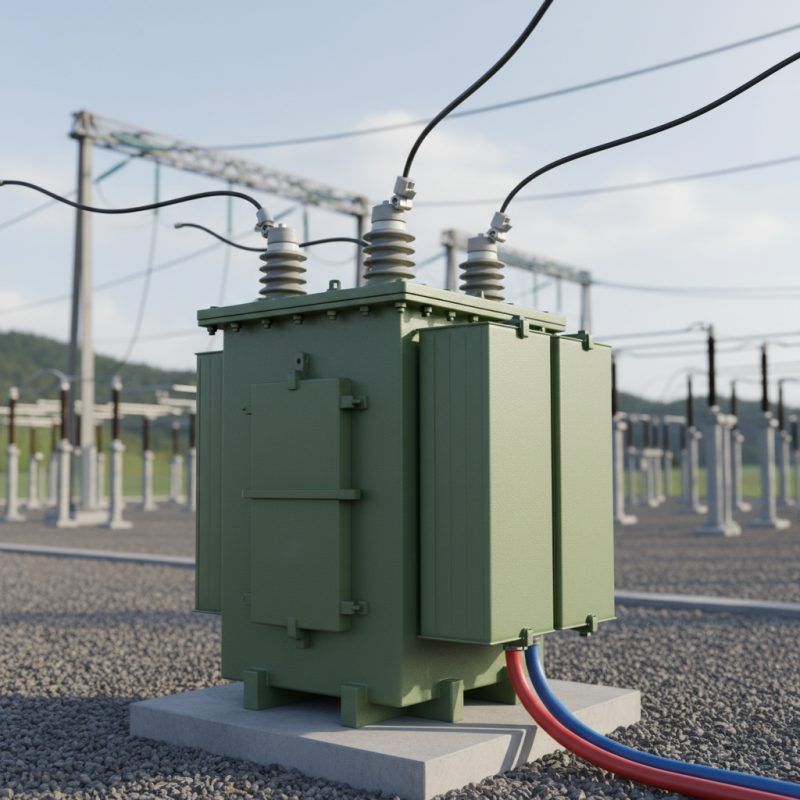
Key Specifications for Pad Mounted Transformers in Global Markets
When considering pad-mounted transformers, several key specifications stand out in global markets. Efficiency plays a crucial role. Reports indicate that the optimal efficiency rate can exceed 99% under ideal conditions. This factor directly impacts long-term operational costs. Additionally, understanding the voltage ratings is essential. Most pad-mounted transformers operate within a range of 5kV to 34.5kV, suited to various applications.
Tip: Always check the temperature rise ratings. They provide insights into the transformer's heat management capabilities. If the temperature rise is too high, it may affect performance and lifespan. Power ratings are another vital specification. They typically range from 50 kVA to 5000 kVA. Selecting the right size is necessary for ensuring reliability.
In terms of noise levels, the International Electrotechnical Commission (IEC) sets strict guidelines. Noise levels should not exceed 50 dB at a distance of one meter. Yet, many transformers still surpass these limits, leading to potential environmental concerns. Pay attention to installation conditions to mitigate this issue. Ultimately, knowing these specifications can aid in making informed purchasing decisions, ensuring effective and reliable electrical distribution.
Understanding Voltage Ratings: ANSI and IEEE Standards for Transformers
In the realm of pad mounted transformers, understanding voltage ratings is crucial for global buyers. ANSI and IEEE standards provide a solid framework for evaluating transformer specifications. Voltage ratings determine how equipment performs under various conditions. ANSI C57.12.00 offers definitions for transformer construction and performance. This includes a variety of voltage classes, ensuring compatibility across different power systems.
IEEE standards expand this framework by emphasizing safety and performance. Reportedly, 72% of electrical failures stem from inadequate voltage regulation. This highlights the importance of adhering to these standards during installation and maintenance. The IEEE 1547 standard for interconnecting distributed resources focuses on the effective integration of renewables into existing electrical grids.
Many buyers overlook the nuances of these standards. It’s essential to consider factors like load conditions and environmental impacts. Failure to account for these variables can lead to inefficiencies. A robust understanding of ANSI and IEEE guidelines not only ensures compliance but also enhances the longevity and reliability of transformers. Investing in knowledge can prevent costly operational mishaps and ensure a more resilient power infrastructure.
Best Pad Mounted Transformer Voltage Ratings
This chart represents the voltage ratings of pad mounted transformers as per ANSI and IEEE standards. The categories include Low Voltage (LV), Medium Voltage (MV), and High Voltage (HV), demonstrating the common electrical specifications used globally.
Assessment of Transformer Capacity: Key Load Calculations and Ratings
When assessing transformer capacity, load calculations are crucial. The transformer's kVA rating must align with the expected load. Understanding the exact load requirements is not always easy. Many buyers underestimate their needs, resulting in underperforming systems. Careful evaluation helps avoid this.
Transformer ratings depend on various factors. Ambient temperature, installation methods, and load types all play a role. Buyers often overlook the impact of starting currents. These transient loads can strain the system significantly. It’s important to consider peak demands when selecting specifications.
Load calculations should include future expansions. Over time, demands may increase, affecting transformer efficiency. Ignoring potential growth can lead to costly upgrades. Conducting thorough assessments ensures reliability. Engaging experienced professionals for guidance can improve decision-making. Their insights can help navigate complexities in specifications.
Evaluating Insulation Systems: Dielectric Strength and Material Choices
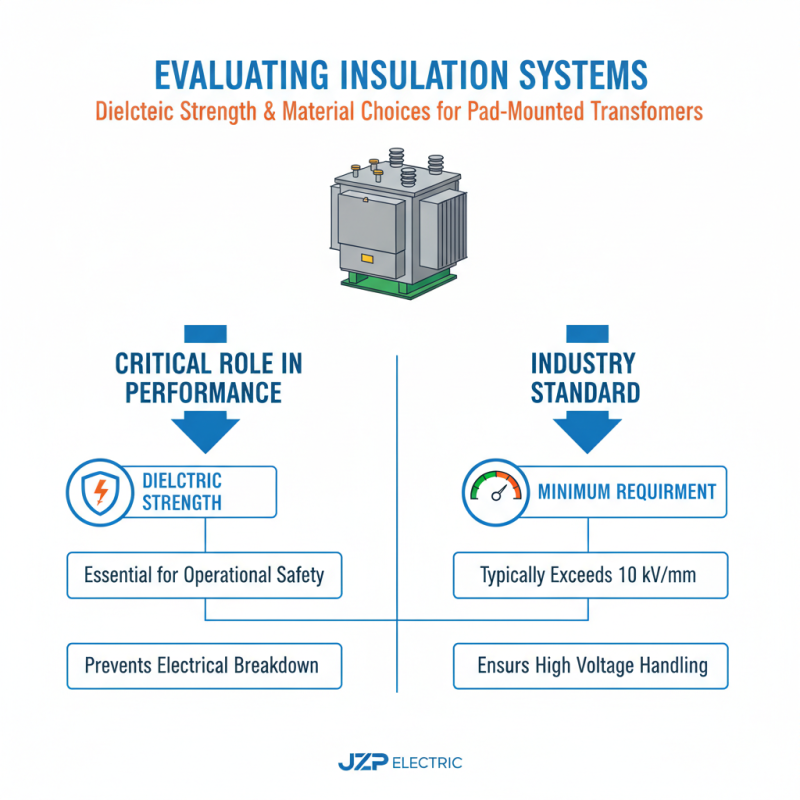
When considering Pad Mounted Transformers, insulation systems play a critical role in performance. The dielectric strength of insulation materials is essential for operational safety. According to industry reports, the dielectric strength of a good insulation system should typically exceed 10 kV/mm. This ensures the transformer can handle high voltages without risk of breakdown.
Material choices greatly influence insulation effectiveness. Common materials include paper, oil, and synthetic composites. Each has unique properties. For example, synthetic materials often provide superior moisture resistance compared to traditional options. However, they may lack the historical reliability seen in older materials.
Many transformers fail due to inadequate insulation. Insulation degradation may happen unnoticed. Monitoring and testing are vital to prevent failures. Reports indicate that 30% of transformer failures stem from insulation-related issues. Consequently, understanding and selecting the right insulation is critical for durable Pad Mounted Transformers. Design reviews often highlight areas that require more attention to these choices.
Importance of Cooling Methods: Natural vs. Forced Air Cooling
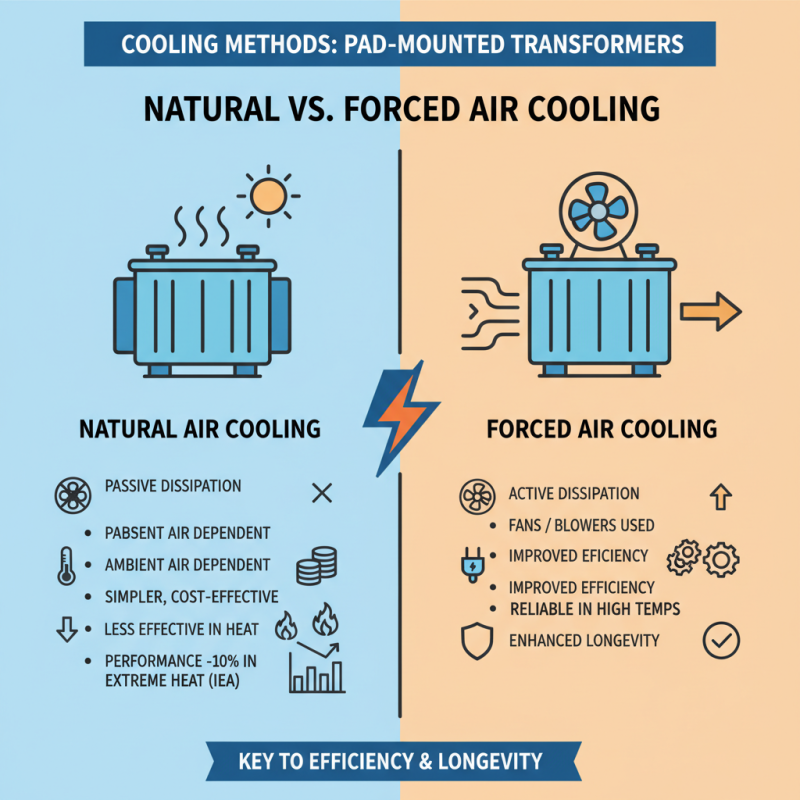
Cooling methods play a critical role in the efficiency and longevity of pad-mounted transformers, particularly with options like natural and forced air cooling. Natural cooling, or passive cooling, relies on ambient air temperature for heat dissipation. This method is simpler and cost-effective but may not suffice in high-temperature environments. According to a report by the International Energy Agency, natural cooling can lead to a decrease in transformer performance by approximately 10% during extreme heat conditions.
Forced air cooling is a more complex approach. It actively circulates air, enhancing cooling efficiency. This method can maintain optimal operating temperatures under increased load conditions. A study by the IEEE revealed that forced air cooling can improve cooling efficiency by up to 30%, offering a significant advantage for operations in warmer climates. However, forced air systems require more maintenance and can incur higher operational costs, adding layers of complexity.
Considering the choice between these methods is essential for buyers of Zgs Pad-Mounted Transformer. While natural cooling is straightforward, it may fall short in demanding situations. Conversely, forced air cooling may seem ideal but can lead to increased maintenance concerns. Balancing these approaches depends on specific operational requirements and environmental conditions. Buyers should reflect on their needs and the trade-offs involved in cooling strategies.
Examining Environmental Ratings: NEMA Standards for Outdoor Transformers
When assessing Outdoor Transformers,environmental ratings play a crucial role. NEMA standards provide a comprehensive framework for evaluating these devices. These specifications ensure that transformers can withstand various weather conditions. For global buyers, understanding the NEMA ratings is essential. They help identify suitable equipment for different climates.
Fpl Pad Mounted Transformer is a notable example that adheres to these standards. NEMA ratings include protection against moisture and corrosion. This quality is vital for transformers exposed to rain, snow, or salty air. Selecting a transformer that meets NEMA guidelines promotes reliability and longevity.
However, misconceptions persist about what these ratings entail. Some buyers may overlook the importance of proper installation locations. A poorly chosen site can negate the advantages of high environmental ratings. Understanding these elements is crucial for making informed choices in the marketplace, emphasizing the need for diligence and expertise.
Safety Features in Pad Mounted Transformers: Circuit Breakers and Fuses
Pad mounted transformers are crucial for electrical distribution, especially in urban areas. Among their safety features, circuit breakers and fuses play significant roles. These components help mitigate faults, protecting the transformer and the connected equipment. When faults occur, circuit breakers automatically disconnect the transformer from the electrical network. This action prevents further damage, which is essential for maintaining grid stability.
Fuses, although simpler, provide another layer of protection. They act as sacrificial devices, melting under excessive current to break the circuit. This mechanism is effective but can lead to downtime. A thorough understanding of the requirements is vital when selecting the right equipment. Buyers should consider the specifications of the Doe Pad Mounted Transformer, ensuring it meets local electrical codes and safety standards.
Not all designs incorporate these safety features optimally. Some transformers may lack adequate overcurrent protection. This gap can expose systems to risks. Buyers should reflect on their safety needs and seek transformers with robust protective measures in place. Balancing reliability with safety is essential for long-term operational success.
Best Pad Mounted Transformer Specifications for Global Buyers
| Specification | Value | Safety Feature | Notes |
| Voltage Rating | 12 kV | Circuit Breaker | Automatic fault isolation |
| Power Rating | 500 kVA | Fuses | Overcurrent protection |
| Insulation Class | Class B | Isolation Transformer | Reduces shock hazards |
| Frequency | 60 Hz | Ground Fault Protection | Prevents equipment damage |
| Weight | 1500 kg | Thermal Overload Protection | Monitors operating temperature |
Innovative Approaches in Secure Three-Phase Pad-Mounted Distribution: Insights from the 2023 Utility Industry Report
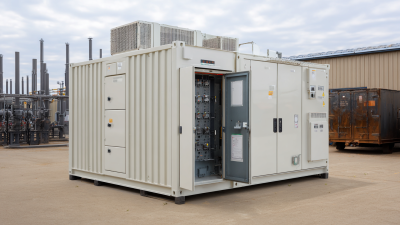
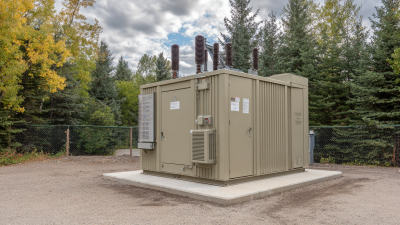
In the evolving landscape of energy distribution, secure three-phase pad-mounted transformers are crucial components that enhance the efficiency and reliability of underground electrical systems. As highlighted in the 2023 Utility Industry Report, the demand for innovative solutions in Power Distribution has surged, particularly in urban settings where space and safety are paramount. These robust devices are designed to step down medium-voltage power to lower voltages, facilitating their use in a variety of applications including commercial, industrial, and high-density residential environments.
The unique design of three-phase pad-mounted transformers ensures they are housed in secure, tamper-resistant enclosures, making them particularly suitable for challenging urban infrastructure. According to the report, the adoption of such transformers has contributed to a marked increase in reliability ratings among utility providers, with over 70% reporting enhanced safety measures in their underground distribution systems since their implementation. Additionally, their adaptability allows for integration into smart grid systems, further increasing operational efficiency and response times to outages.
As the industry continues to prioritize sustainability and resilience, the role of secure distribution solutions becomes more critical. The insights from the 2023 Utility Industry Report emphasize that investments in innovative distribution technologies not only support operational demands but also align with broader goals of reducing energy losses and optimizing resource utilization across urban landscapes. The ongoing evolution in pad-mounted transformer technology embodies these innovative approaches, paving the way for more secure and efficient energy distribution networks.
FAQS
NSI and IEEE standards for transformers?
Voltage ratings determine equipment performance under different conditions. They help avoid failures related to poor voltage regulation.
Dielectric strength refers to an insulation material's ability to withstand high voltages. A good system exceeds 10 kV/mm for safety.
Common materials include paper, oil, and synthetic composites. Each has distinct advantages and disadvantages based on moisture resistance.
Many transformer failures, about 30%, stem from insulation issues. Monitoring and testing are essential to avoid unnoticed degradation.
NEMA standards evaluate environmental ratings to ensure transformers withstand various weather conditions, promoting reliability in different climates.
Buyers sometimes miss nuances like load conditions. Ignoring these can result in inefficiencies and operational risks over time.
A poorly chosen installation site can undermine high environmental ratings. Proper site selection is crucial for optimal transformer function.
Ignoring insulation materials can lead to deterioration. Design reviews often reveal the necessity for more attention to these choices.
Understanding ANSI and IEEE guidelines is vital. This knowledge enhances longevity and reliability while preventing costly mishaps.
Conclusion
The article "Best Pad Mounted Transformer Specifications for Global Buyers" discusses essential specifications for pad mounted transformers tailored to meet diverse global market needs. It emphasizes understanding voltage ratings in accordance with ANSI and IEEE standards, ensuring that buyers can make informed decisions based on load calculations and transformer capacity ratings.
Moreover, the article highlights the importance of evaluating insulation systems, focusing on dielectric strength and material choices that enhance performance and durability. It also compares cooling methods, detailing the benefits of natural versus forced air cooling, and examines environmental ratings as per NEMA standards for outdoor transformers. Finally, the inclusion of safety features such as circuit breakers and fuses underscores the critical aspects of pad mounted transformer specifications that ensure reliability and safety in operation.

 +86 18068001229
  Contact Phone
 Contact Email