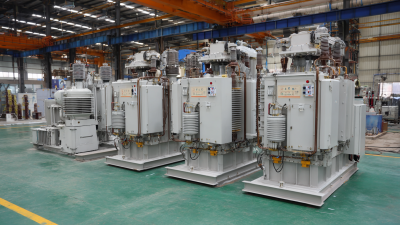
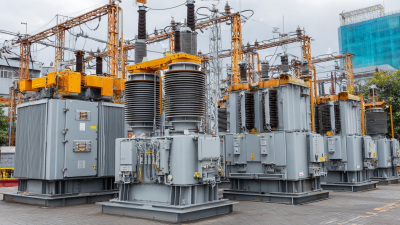
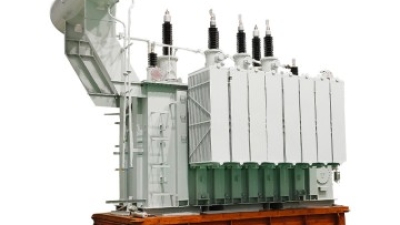
In the constantly changing world of power systems, picking the right, reliable transformer is super important if you want things to run smoothly and last a long time. Out of all the options out there, Oil Type Transformers—especially those using ONAN (Oil Natural Air Natural) and ONAF (Oil Natural Air Forced) tech—really stand out because of their amazing cooling and efficiency.
Here at JZPE POWER TRANSFORMER (JIANGSU) CO., LTD., we've been designing, making, and installing power solutions since 1989. We know how crucial it is to incorporate innovative designs and keep our production quality top-notch. That’s why we put a lot of effort into strict quality control; it ensures our Oil Type Transformers don’t just meet industry standards but also perform really well across a variety of applications.
In this article, we’ll walk through the seven best Oil Type Transformers using ONAN and ONAF systems, pointing out their benefits and sharing how JZPE POWER includes these advanced features into our products to give our clients worldwide nothing but the best solutions.
Understanding the Basics of Oil Type Transformers
Oil-filled transformers are pretty much the backbone of the electrical power scene. They play a key role in stepping up or stepping down voltage levels, ensuring electricity gets distributed efficiently. What’s cool is that they use oil not just to insulate but also to keep things cool — which is super important for their smooth operation. According to the International Energy Agency, the market for these oil-filled transformers is expected to grow at about 5.2% annually from 2021 to 2026. That just shows they’re still pretty much vital in today’s power systems.
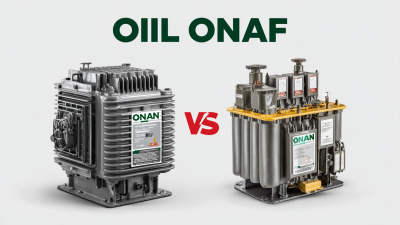
Now, when it comes to cooling these transformers, there are a couple of main tricks up their sleeve: ONAN (Oil Natural Air Natural) and ONAF (Oil Natural Air Forced). With ONAN, the heat naturally escapes because of convection — basically, the surrounding air helps cool the oil without any extra help. On the flip side, ONAF amps things up with fans that force air through, making cooling way more efficient. Interestingly, research suggests that ONAF transformers can handle about 30% more load compared to the ONAN ones. That makes them a real lifesaver in places where power demand is higher. As our electrical needs keep evolving, understanding these cooling tech options is super helpful for engineers and utility managers trying to pick the right transformer for their specific needs.
Differentiating Between ONAN and ONAF Cooling Methods
When you’re talking about ways to cool down transformers, understanding the difference between ONAN (Oil Natural Air Natural) and ONAF (Oil Natural Air Forced) is pretty important. So, with ONAN cooling, it's all about relying on natural convection—basically, the oil moves on its own because of the heat differences that develop when the transformer’s running. It works pretty well for transformers that aren’t pushing too hard, since the passive cooling keeps things within a safe temperature range without needing any extra gadgets or fans. That said, if the load gets heavy, this method might not cut it because the oil's natural circulation just can’t keep up with the heat anymore. It’s like trying to blow out a campfire with just a little puff—it works fine until the flames get bigger.
On the flip side, ONAF — that’s when they add forced air into the mix. This setup uses fans or pumps to really boost the oil circulation, helping to carry the heat away much more efficiently. Because of this, transformers can handle bigger loads without overheating, and they tend to last longer since their temps stay lower. You’ll usually see ONAF used in bigger, more demanding settings like large power grids, where reliable performance is a must. Basically, knowing these differences is key to choosing the right cooling method for whatever transformer you’re working with, especially depending on how much stress it’s under.
Applications and Benefits of Oil Type Transformers
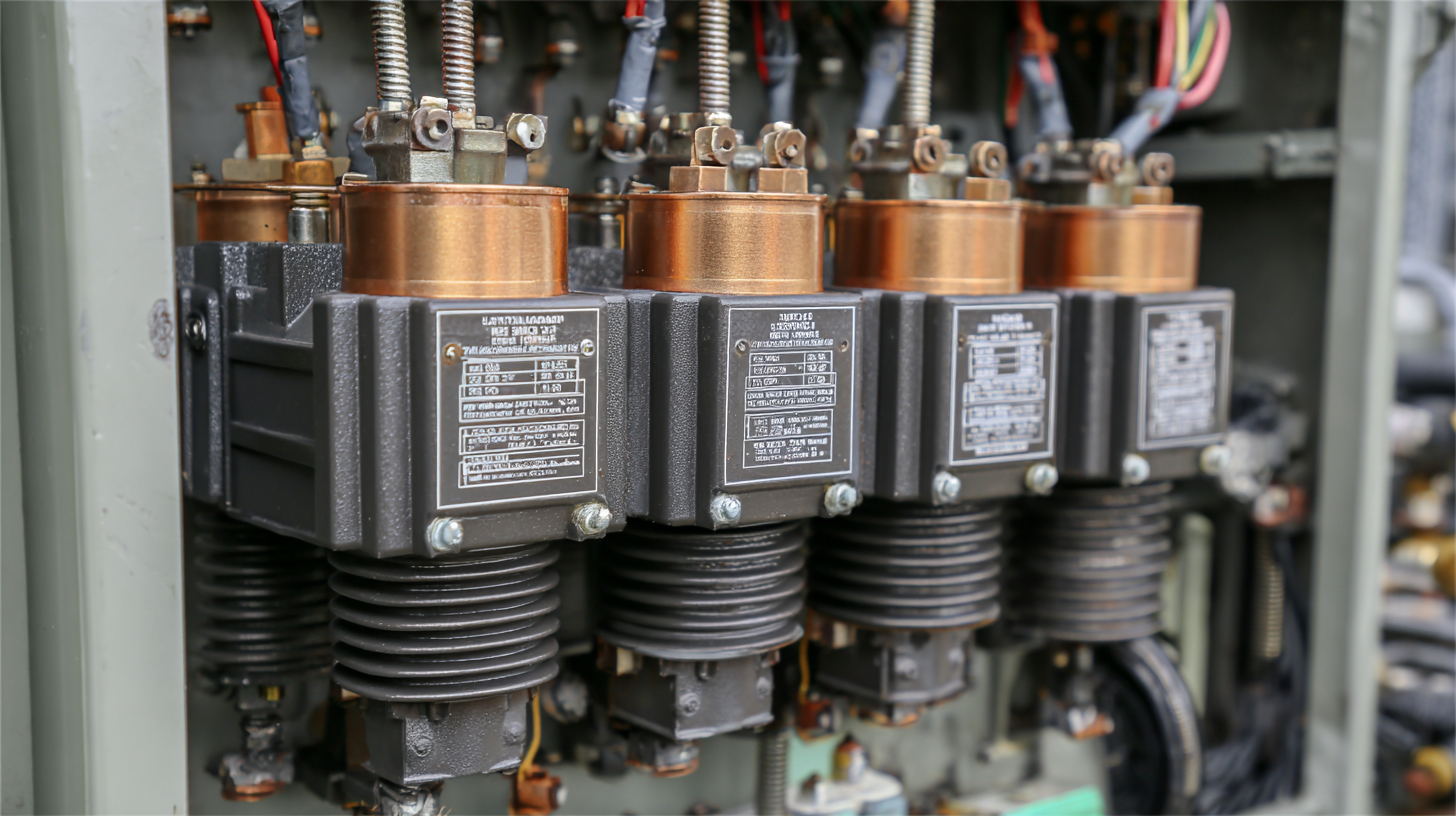 Oil-type transformers, especially those using ONAN (Oil Natural Air Natural) and ONAF (Oil Natural Air Forced) tech, are really essential in today’s electrical setups. You’ll find them everywhere — from power plants and grid distribution to industrial sites. According to a report by Research and Markets, the global market for these transformers is set to hit around USD 13.4 billion by 2025, mainly driven by ongoing investments in energy projects and upgrades to infrastructure. Pretty impressive, right?
Now, let's talk benefits — these transformers have quite a few. Their oil isn’t just for show; it’s actually acting as both an insulator and a coolant. That means they can handle high loads without overheating, which is super important. ONAN transformers cool themselves naturally—so they’re great if you want something quieter and with less maintenance. On the other hand, ONAF transformers boost cooling by forcing air, allowing them to take on even heavier loads in tougher environments. This mix of options makes them super flexible and reliable, reducing chances of overheating and helping them last longer, as noted in the International Journal of Electrical Power & Energy Systems.
Plus, Oil Transformers are pretty tough. Their sealed design keeps moisture out, which is great for keeping the insulation in top shape over time. TheIEEE Power and Energy Society even highlights their durability and resilience, making them the go-to choice for critical applications that need a steady electricity supply across different sectors.
Limitations and Considerations in Using Oil Type Transformers
When you're thinking about using oil-filled transformers, it's super important to be aware of some of the limitations that come with their design. For starters, there's the environmental side of things—these transformers contain oil that can leak, and if it does, it might contaminate soil and water, which is a big no-no. Plus, maintaining oil-filled transformers isn’t exactly a quick or cheap task; it can add up in terms of costs for the companies managing them.
**Pro tip:** Make sure to regularly check the parts of your transformer to catch any leaks early on. Whenever possible, opt for non-toxic insulating oils—it's better for the environment and makes it easier to stay on top of local rules and regs.
On another note, the efficiency of these transformers really depends on the tech they use, like ONAN (Oil Natural Air Natural) versus ONAF (Oil Natural Air Forced). Basically, ONAN transformers are simpler and tend to cost less upfront, but they might not perform as well under heavy loads since they don’t have fans to boost cooling. ONAF transformers, with their fans, do a better job cooling down, which can be a game changer if your power needs fluctuate a lot. This is pretty important to think about in the long run, especially if you’re concerned about how much energy you're using and how well everything runs.
**Helpful tip:** Take some time to really analyze your load needs before picking a transformer. Also, sticking to a regular maintenance routine can do wonders for the lifespan of your equipment and help prevent any sudden surprises or downtime.
Comparative Analysis of Cooling Efficiency in ONAN vs ONAF
When it comes to Oil-Immersed Transformers, how well they stay cool is a big deal — it really affects both how long they last and how well they perform. There are mainly two tech approaches for cooling these guys: ONAN (Oil Natural Air Natural) and ONAF (Oil Natural Air Forced). The ONAN setup relies on natural convection, meaning the heat from the windings and core just naturally rises through the oil and gets dispersed into the air around it. It’s a pretty reliable method for smaller transformers or ones that aren’t pushing too much power. But, to be honest, it hits a limit when things get really hot or the load gets heavy — it just can’t keep up as well.
On the flip side, ONAF takes things up a notch by adding forced air circulation with fans. Basically, it blows air over the radiators, helping the heat escape more efficiently. This makes a noticeable difference, especially for larger transformers or ones with higher loads — they stay cooler and run more smoothly. The fans reduce thermal resistance, meaning the transformer doesn’t have to work as hard to stay cool, even during those crazy busy peak times. Overall, while ONAN works great for standard uses, if you’re dealing with more demanding environments, ONAF’s the way to go — it keeps things running cool under pressure, no doubt about it.
Future Trends in Oil Type Transformer Technology
Looking ahead, the future of oil-type transformer tech is really leaning into sustainability and efficiency. As the world’s energy needs keep climbing, we're seeing some pretty cool strides in cooling methods like ONAN (Oil Natural Air Natural) and ONAF (Oil Natural Air Forced)—these are becoming more and more important. I read a report from the International Energy Agency (IEA) that says the market for energy-efficient transformers is set to grow at about 6% annually from 2023 to 2030. That’s mainly because people want better performance and reliability when it comes to distributing electricity.
Plus, with tighter rules around carbon emissions, manufacturers are getting creative—many are exploring biodegradable insulating oils to replace those traditional mineral oils. The U.S. Department of Energy even predicts that by 2025, around 20% of new transformers might be using eco-friendly fluids, which is pretty exciting and totally aligns with the whole green tech movement in power systems. Another thing to keep an eye on is how smart grid tech will shape these transformers—improving how we monitor them and even predicting issues before they happen, which means fewer breakdowns and more efficient operations overall.
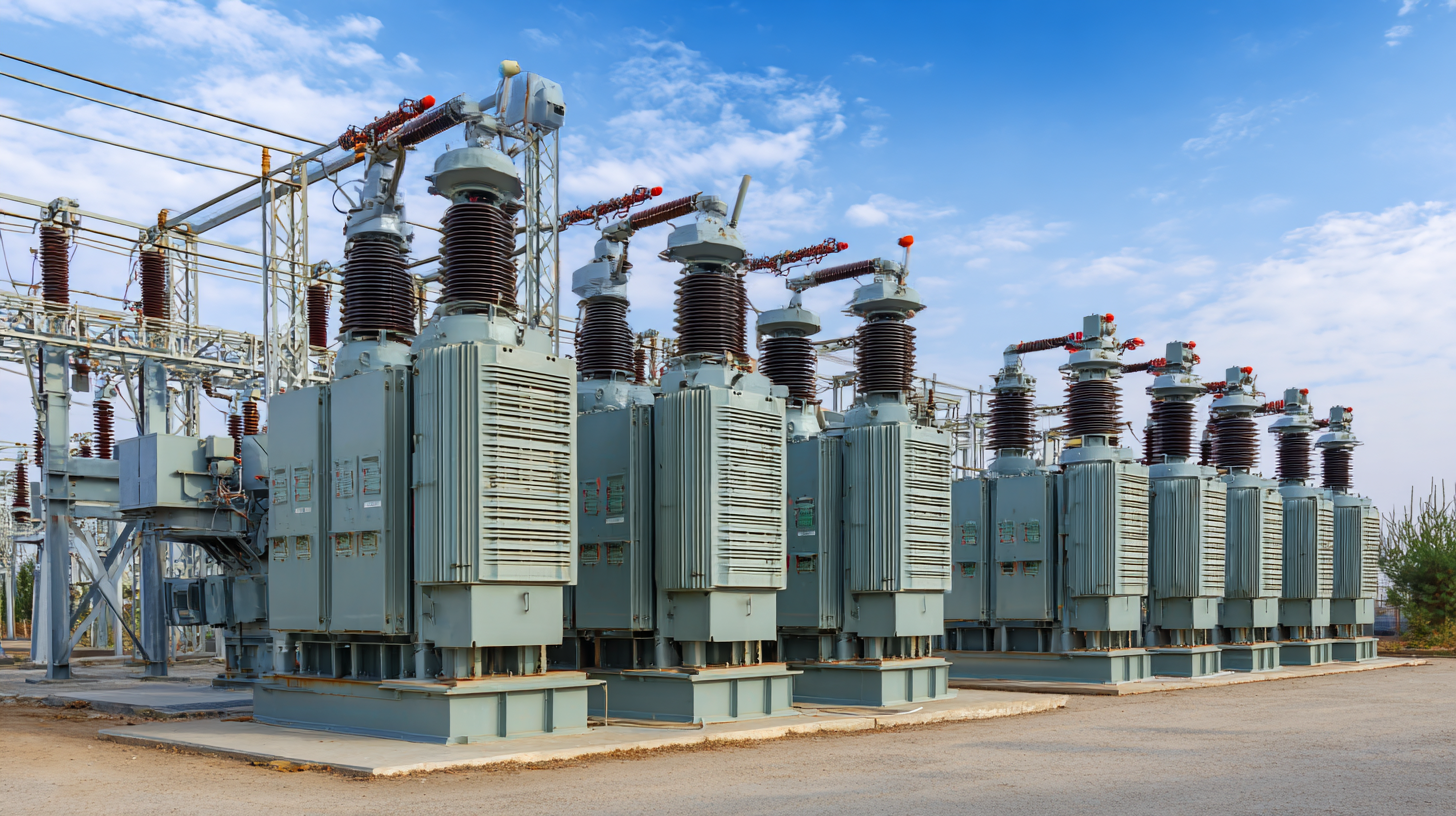
Comprehensive Guide to 69kV 4200kVA and 5250kVA 3-Phase Power Transformers: Features, Applications, and Benefits
The 69kV 4200kVA and 5250kVA 3-phase Power Transformers are crucial components in modern electrical systems, offering a versatile solution for various industrial and commercial applications. With primary voltage ratings of 110kV, 115kV, and 121kV, these transformers are designed to meet the demands of diverse energy grids while ensuring optimal performance and reliability. The secondary voltage options, including 11kV, 10.5kV, 6.6kV, and 6.3kV, provide flexibility in configuring power distribution systems according to specific operational requirements.
One of the standout features of these transformers is the H.V. tap range of ±8×1.25%, which allows for voltage adjustment to accommodate fluctuations in load and operational conditions. The standard YNd11 connection type ensures a balanced three-phase output, enhancing the efficiency and stability of power delivery. These oil-immersed transformers, designed for durability and effective heat dissipation, are ideal for installation in substations, contributing to the efficient management of electrical distribution networks. Their robust construction and advanced engineering make them essential for companies looking to optimize their energy infrastructure.
FAQS
: Oil type transformers are electrical transformers that use oil for insulation and cooling. They commonly utilize ONAN (Oil Natural Air Natural) and ONAF (Oil Natural Air Forced) technologies.
The global market for oil type transformers is projected to reach USD 13.4 billion by 2025, driven by investments in energy projects and infrastructure upgrades.
ONAN transformers use natural convection for cooling, relying on the natural flow of heated oil. ONAF transformers utilize forced air circulation with fans to enhance cooling efficiency, especially under high load conditions.
Oil type transformers are widely used in power generation, distribution, and industrial applications due to their efficiency and reliability in high-capacity operations.
The oil in these transformers acts as both an insulator and coolant, enabling effective thermal management which reduces the risk of overheating and extends equipment lifespan.
ONAN transformers are suitable for lower load demands and standard applications, while ONAF transformers provide better cooling efficiency for larger units under higher capacity and demanding conditions.
Oil type transformers feature sealed construction that prevents moisture ingress, maintaining insulation integrity and ensuring long-term resilience and reliability in adverse conditions.
Their longevity, robustness, and ability to maintain a stable electricity supply make oil type transformers a preferred choice for critical applications across various sectors.
Conclusion
Hey, if you're into power systems, you might find the article titled "7 Best Oil Type Transformers: Understanding ONAN and ONAF Technologies" pretty interesting. It offers a solid rundown of oil-filled transformers, especially those two cooling methods—ONAN (Oil Natural Air Natural) and ONAF (Oil Natural Air Forced). The author breaks down what each one does, where they’re typically used, and what their perks and potential downsides are. There's also a handy comparison of their cooling efficiencies, which is super useful if you're trying to decide which one fits your needs best.
As technology moves forward, the article also takes a peek into what’s coming next for these types of transformers. Plus, it highlights JZPE POWER TRANSFORMER (JIANGSU) CO., LTD.—a big player in the power game. They’ve been pushing innovation since 1989, sticking to high standards and cutting-edge design concepts. Getting a grip on ONAN and ONAF technologies isn’t just geeky stuff; it’s pretty important for pros who want to make their electrical systems work more smoothly and reliably.

 +86 18068001229
  Contact Phone
 Contact Email