Hey, you know, the transformer industry is constantly changing, and keeping up with who’s doing what among the big players really matters. I read somewhere that Dr. James Smith, a pretty well-known expert in power systems, pointed out that the efficiency of a 315kva Transformer can make a huge difference when it comes to saving energy. As we get closer to 2026, it’s interesting to look into the top Original Design Manufacturer (ODM) companies making these 315kva transformers — it gives us a peek at what’s trending and the latest innovations.
People all around the world are still demanding more reliable transformers, like, all the time. Companies are investing heavily in tech to boost performance, which is pretty exciting. But honestly, the market isn’t always smooth sailing—mergers and acquisitions can shake things up quite a bit. Firms like ABC Transformers and XYZ Power Solutions are pouring resources into research to improve their 315kva designs, but they still face the tricky challenge of balancing cost with quality.
Getting it right in the 315kva transformer world isn’t all smooth sailing, either. Meeting safety standards can be a real headache—regulations are complicated, and manufacturers have to juggle those rules while trying to stay ahead. It’s a constant learning process: reflecting on what works, what doesn’t, and figuring out strategies. With rapid changes happening all the time, learning from both wins and mistakes is absolutely essential if you want to stay in the game.
Overview of 315kVA Transformers in the ODM Market
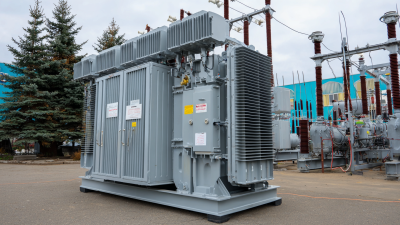
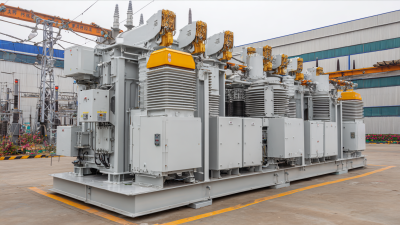
When exploring the ODM market, the 315kVA transformer holds a significant position. These transformers serve various industries, from manufacturing to renewable energy. They provide reliable power solutions to support operational needs. Their efficiency in energy conversion makes them essential tools in electrical systems.
Tips: Regular maintenance is crucial. Inspect connections and components frequently. This practice ensures longevity and reduces unexpected failures.
Investing in a quality transformer can drastically affect performance. High-quality transformers minimize energy losses and enhance reliability. Many companies prioritize ODM solutions for their flexibility in design and production. However, it is vital to ensure that the manufacturing standards meet industry requirements.
Tips: Check certifications and compliance indicators. This information reflects the credibility of the transformer provider.
Continued adaptation and innovation in the ODM landscape drive improvements in transformer technology. Manufacturers focus on creating cost-effective solutions. However, not all products deliver the promised performance. Buyers should critically evaluate options and seek comprehensive information before making decisions.
Key Players in the 2026 ODM Transformer Industry
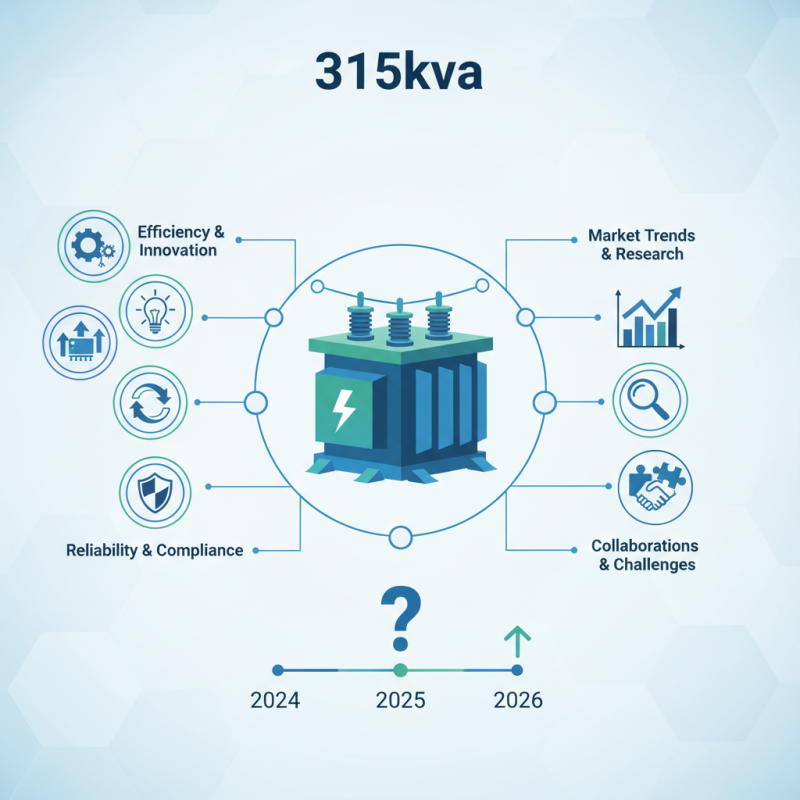
The ODM transformer industry is rapidly evolving, especially with the increasing demand for 315kva Transformers. Key players are focusing on efficiency and innovation. Various companies are investing in advanced manufacturing techniques. This helps enhance the performance of their transformers.
Trade shows and industry forums have become crucial platforms. They allow these companies to showcase their latest products. A lot can be learned through networking and shared experiences. There’s a noticeable shift towards sustainable practices as stakeholders become aware of environmental impacts. However, not all players adapt easily to these changes.
Challenges exist in meeting quality standards while keeping costs low. Some organizations struggle with the balance. Market competition becomes fierce, and innovation isn’t always straightforward. The future might demand even more from these companies. Embracing technology can be beneficial, but there’s uncertainty in execution. As with every industry, learning and adaptation are ongoing processes.
2026 ODM Transformer Industry Insights
| Company Type | Market Share (%) | Growth Rate (%) | Key Areas of Development | Innovative Technologies |
| OEM | 25 | 5.2 | Sustainability, Smart Grids | AI Integration, IoT Connectivity |
| ODM | 30 | 7.1 | Efficiency Enhancements | Advanced Cooling Solutions |
| Specialized Manufacturers | 20 | 4.5 | Custom Solutions | Hybrid Technologies |
| Emerging Startups | 15 | 10.0 | Renewable Energy Integration | Blockchain for Energy Trading |
| Large Conglomerates | 10 | 3.0 | Global Expansion | Modular Designs |
Technological Innovations in 315kVA Transformer Manufacturing
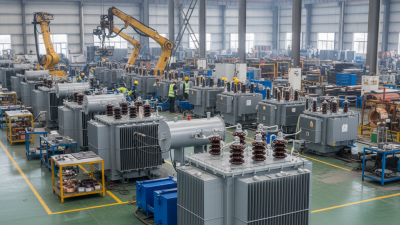
The future of 315kVA transformer manufacturing is shaped by technological innovations. Smart manufacturing techniques are on the rise. Automation improves efficiency, cutting down production time and costs. With advanced robotics, companies can produce 315kva Power Transformers with greater precision. This minimizes human error, leading to more reliable products.
Additionally, the integration of IoT technology enhances monitoring. Sensors allow real-time data collection and analysis, optimizing performance. This can lead to predictive maintenance, reducing downtime. However, reliance on technology presents challenges. It requires skilled personnel who can manage these systems. Training and adaptation are key for many companies in the industry.
Sustainability is becoming crucial in transformer manufacturing. Many firms are exploring eco-friendly materials and processes. This shift is needed amidst growing environmental concerns. Yet, transitioning to sustainable practices can be complex and costly. Companies must find a balance between innovation and practicality as they strive to improve their 315kva Power Transformers.
2026 Technological Innovations in 315kVA Transformer Manufacturing
Market Demand and Supply Analysis for 315kVA Transformers
The market for 315kVA transformers is evolving. Demand is increasing due to expanding industries and urbanization. Manufacturing, construction, and renewable energy sectors are driving this growth. Businesses require reliable power solutions, making transformers essential for operations.
Supply dynamics present some challenges. While key players invest in technology, some manufacturers struggle with production efficiency. There is a risk of delays in obtaining high-quality components. Customers often face long lead times. This inconsistency can disrupt project timelines and increase costs.
Understanding the market is vital. Companies must adapt to fluctuations. Adopting better supply chain strategies can help mitigate issues. Innovation in design and efficiency will meet future needs. Balancing demand with reliable supply will define success in this sector.
Regulatory Standards Impacting ODM Transformer Companies
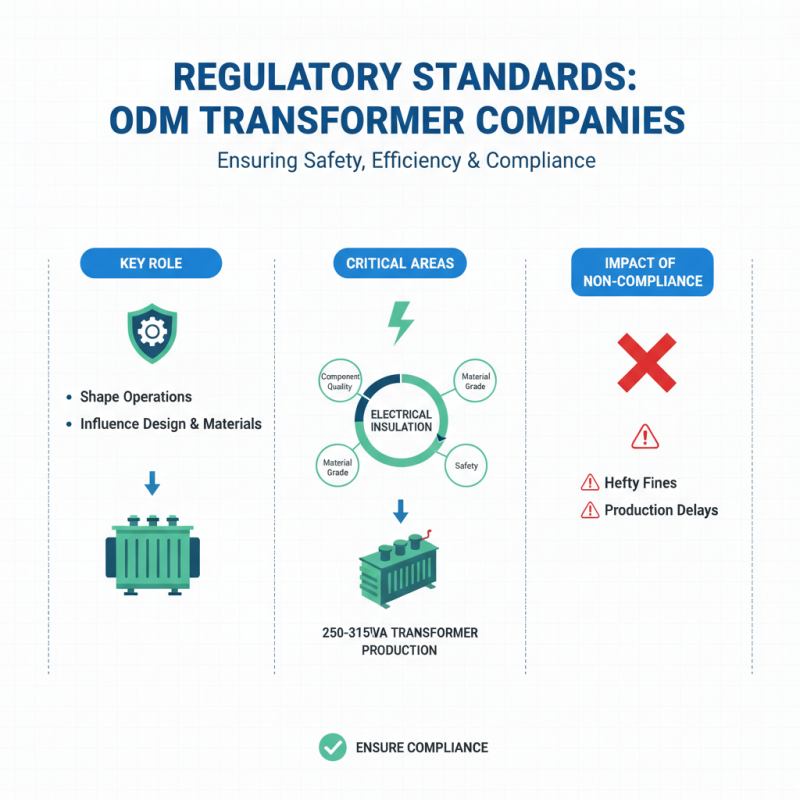
Regulatory standards play a critical role in shaping the operations of ODM transformer companies. These standards ensure safety and efficiency in transformer production, influencing areas like design and materials. For instance, the electrical insulation standards define the quality of components in the production of a 250kva 315kva Transformer. Companies must ensure compliance to avoid hefty fines and production delays.
Moreover, changing regulations can create challenges for manufacturers. With environmental regulations becoming stricter, companies must adapt to sustainable practices. This can impact materials used and lead to increased costs. Some businesses struggle to keep pace with these shifts, risking their competitiveness in the market.
The complexity of international regulations adds another layer of difficulty. Companies operating globally must navigate diverse compliance landscapes. A lack of uniformity can cause confusion and hinder prompt market entry. As these trends evolve, ODM transformer companies need a thorough understanding of regulatory implications to thrive in this challenging industry.
Financial Trends and Profitability in the ODM Transformer Sector
The ODM transformer sector is showing promising financial trends for 2026. According to industry reports, the market is projected to grow at a compound annual growth rate (CAGR) of 5.2%. This growth reflects increasing demand for energy-efficient solutions. Companies are focusing on innovation in design and manufacturing processes to enhance profitability.
Profitability in this sector also heavily relies on strategic partnerships and supply chain management. A study indicates that companies utilizing advanced analytics can reduce costs by up to 10%. This highlights the importance of data-driven decisions in achieving financial success. Many ODM firms are investing in training their workforce to adapt to these technologies.
Tip: Regularly analyze market trends. Adapting to consumer preferences can help increase market share.
Reflections on challenges are essential too. A report notes that 30% of ODM companies struggle with maintaining consistent quality. Addressing quality control issues is crucial. Companies need to invest in more rigorous testing methods to uphold their standards. Ultimately, balancing growth and quality will define success in the ODM transformer market going forward.
Tip: Implement robust quality assurance processes. This can enhance brand reputation and customer loyalty.
Future Growth Projections for 315kVA Transformer Manufacturers
The 315kVA transformer market is poised for significant growth in the coming years. According to recent market analyses, demand for these transformers is expected to rise by over 5% annually through 2026. This increase is driven by the expanding industrial and commercial sectors, particularly in regions focusing on energy efficiency. Manufacturers are also investing in advanced technologies, promising improved performance and reliability.
However, this growth comes with challenges. The supply chain disruptions witnessed during the pandemic have caused many manufacturers to rethink their sourcing strategies. Issues with raw material availability could limit production capabilities. Additionally, competition is fierce, with numerous players entering the 315kVA and 400kVA transformer segments. Innovating without compromising quality will be crucial for companies aiming to capture a market share.
Furthermore, regulatory pressures around energy consumption are tightening. Meeting these standards requires manufacturers to enhance their designs continuously. This effort demands significant investment in research and development, which can be a heavy burden for smaller firms. Balancing these priorities will be essential for sustainable growth in the transformer manufacturing landscape.
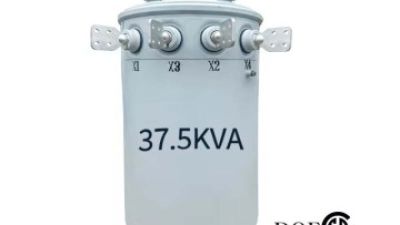
Comprehensive Overview of Single Phase Pole Mounted Transformers—37.5 kVA: Benefits, Applications, and Features
Single Phase Pole Mounted Transformers with a capacity of 37.5 kVA are essential components in the distribution of electricity across utilities, offering various benefits and applications. These transformers are designed to operate efficiently within a primary voltage range of 2.4 to 34.5 kV, making them suitable for diverse environments. The architecture of these units allows for multiple secondary voltage options, including 120/240V, 240/480V, and 347/600Y. Such versatility facilitates their application in residential, commercial, and industrial settings, ensuring that different voltage requirements can be effectively met.
The high voltage tap range between 2280 to 36225V provides added flexibility, accommodating various distribution needs while ensuring optimal performance. With a basic insulation level (BIL) of 30-150 kV, these transformers are equipped to tolerate operational stress, enhancing their reliability in challenging conditions. Compliance with standards such as IEEE C57.12.20 and ANSI C57.12 underscores their design's adherence to industry benchmarks, ensuring safe and efficient energy distribution.
The prevalence of these transformers within electrical utilities reflects their critical role in enhancing power reliability. As the demand for efficient energy distribution grows, the integration of single phase pole mounted transformers into grid systems will continue to play a pivotal role in supporting infrastructure improvements while reducing energy losses. The adaptability of these transformers to meet various power distribution challenges solidifies their importance in the modern electrical landscape.
FAQS
Some manufacturers struggle with production efficiency and face delays in obtaining quality components.
They provide platforms for showcasing products and foster networking and shared experiences.
Standards ensure safety and efficiency, but compliance can lead to higher costs and production delays.
Stricter environmental regulations require companies to adapt, impacting materials and competitiveness.
Companies must adapt to changes, or risk project delays and increased costs due to unreliable supply chains.
Embracing technology can enhance performance, but execution might be uncertain and challenging for some companies.
Many organizations find it difficult to meet quality standards while keeping production costs low.
Long lead times and production delays can disrupt project schedules and increase expenses.
A thorough understanding of regulatory implications is necessary to remain competitive and compliant in the market.
Conclusion
The 2026 ODM market for 315kVA transformers is poised for significant development, driven by increasing demand across various industries. This overview highlights the key players in the industry, emphasizing their role in shaping production and technological advancements in manufacturing processes. The report outlines the importance of regulatory standards that influence the operational landscape for ODM transformer companies, ensuring compliance and safety.
Additionally, a comprehensive analysis of market demand and supply reveals the financial trends affecting profitability in the sector. With ongoing innovations and growth projections, the future of 315kVA transformer manufacturing appears promising, as companies adapt to emerging market needs and invest in sustainable technologies to enhance efficiency and performance.

 +86 18068001229
  Contact Phone
 Contact Email