+86 18068001229 


Picking the right transformer can actually be pretty overwhelming, right? I've found that a Dry-Type Transformer is often a solid choice for lots of different projects. They come with some nice perks—like being safer from fire hazards and needing less maintenance overall. But, honestly, figuring out which one fits best isn’t always straightforward. There are quite a few things to consider.
Things like efficiency, size, and what the project needs all matter a lot. Every project is different, so not every Dry-Type Transformer is a perfect match for every job. Taking the time to understand what your specific needs are can save you from making costly mistakes down the line. Breaking things down and really analyzing your project scope makes choosing the right transformer way easier.
Of course, chatting with pros can be super helpful—they often have great insights. But sometimes their advice can be a bit confusing or even conflicting. Some might focus too much on cutting costs, while others suggest specifications that don’t really fit what you’re aiming for. At the end of the day, trust your own judgment and gather reliable info—that combo will help you make a smarter choice.
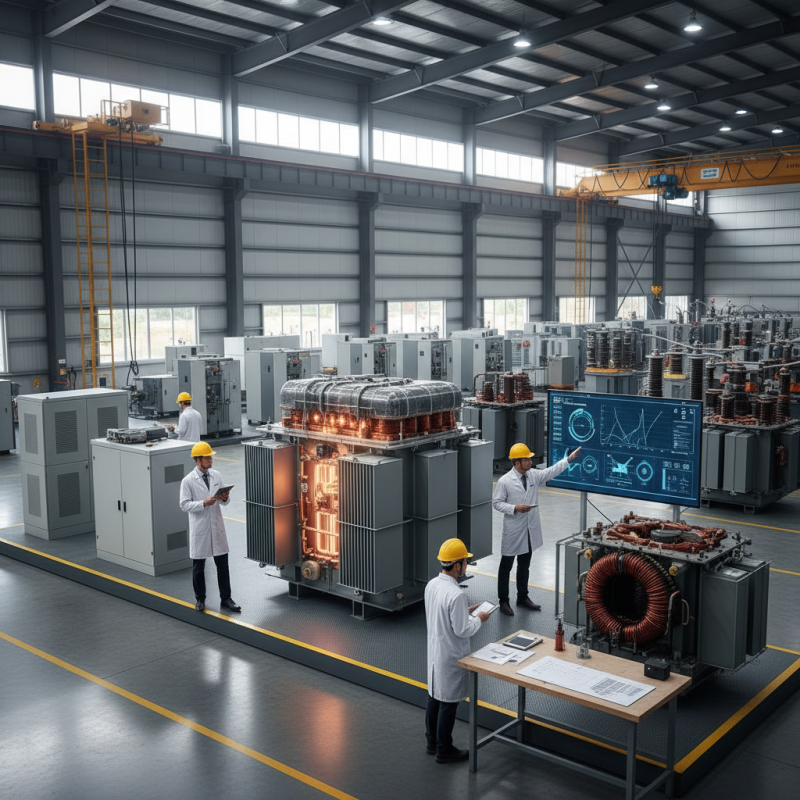
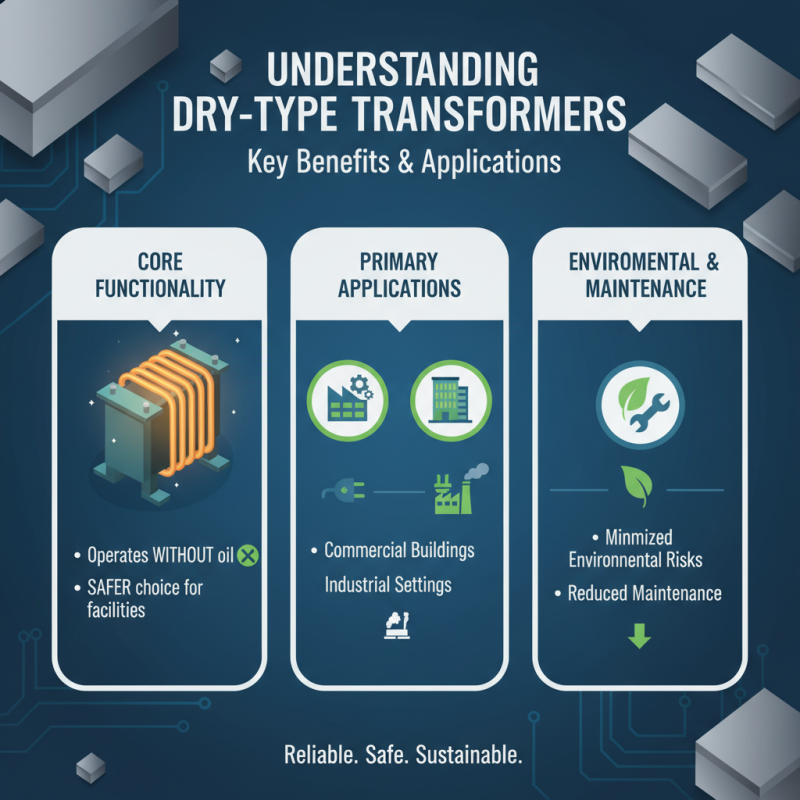
When selecting a dry-type transformer, understanding its functionality is crucial. These transformers generally operate without oil, making them a safer choice for various applications. They are commonly used in commercial and industrial settings. Dry-type transformers also minimize environmental risks and maintenance requirements.
The versatility of dry-type transformers is notable. They are suitable for indoor applications and high-rise buildings. Their resilience to harsh conditions enhances reliability. However, these transformers still face challenges, such as overheating in poorly ventilated areas. Users should conduct thorough assessments before installation to avoid efficiency issues.
Understanding load requirements is vital. The transformer's capacity must align with project demands. Assessing anticipated growth or changes in power usage can inform this decision. Initial costs are often higher, but the long-term savings on maintenance can be significant. It’s essential to weigh initial expenses against future benefits carefully.
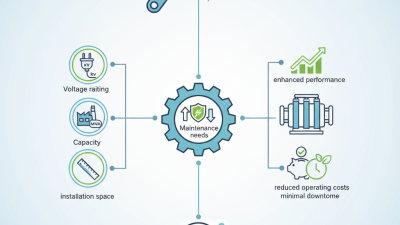
When selecting a dry-type transformer, it’s essential to understand several key factors. Voltage rating is critical. Ensure the transformer’s voltage aligns with your project specifications. This aligns with efficiency and safety needs. Pay attention to the load requirements too. A transformer like the Dry Type Transformer 3000va may fit diverse applications, but proper assessment is vital.
Another aspect to consider is cooling methods. Dry-type transformers employ air as the cooling medium. This makes them suitable for indoor use. However, this can limit their performance in high-temperature environments. Make sure your installation location can maintain an optimal temperature. You may need to assess your building’s ventilation.
Lastly, pacing for future expansion is wise. Consider potential load increases. Is the transformer rated enough for those future needs? Reflecting on the long-term functionality of the Dry Type Transformer 3000va can save future costs. Don’t overlook the importance of environmental impact and noise levels as well. The right choice involves weighing all these factors carefully.
When selecting a dry-type transformer, assessing voltage and power requirements is crucial. Understanding your project’s specific needs lays the foundation for effective energy management. According to the U.S. Department of Energy, transformers account for about 5% of total electricity consumption. Therefore, choosing the wrong voltage rating can lead to significant energy loss and inefficiency.
Voltage requirements depend on the equipment you plan to support. Typical commercial buildings utilize 208V or 480V systems. For example, medium Voltage Transformers often serve industrial applications that demand higher power levels. It’s essential to match these voltage levels precisely. Underestimating your needs can result in system overloads, while overestimating can lead to higher costs and unnecessary losses.
Power requirements also play a vital role. The National Electrical Manufacturers Association reports that transformers should be rated properly according to the maximum connected load. This ensures they can handle peak demands without compromising performance. Not accounting for future expansions or additional equipment can limit a project’s scalability. Therefore, account for both current and anticipated load to optimize transformer efficiency over time, ensuring reliability in your electrical supply.
| Dimension | Value |
|---|---|
| Voltage Range | 400V - 690V |
| Power Rating | 50 kVA - 5000 kVA |
| Frequency | 50/60 Hz |
| Cooling Method | Natural Air Cooling |
| Installation Type | Indoor/Outdoor |
| Efficiency Rating | >98% |
| Environmental Protection | IP00 - IP23 |
When selecting a dry-type transformer, evaluating its efficiency is crucial. Efficiency impacts energy expenditure and operational costs. A transformer with higher efficiency minimizes energy losses during operation. Look for models that boast efficiency ratings above 95%. This ensures reduced heat generation, resulting in lower cooling needs.
The environmental impact of transformers cannot be overlooked. Dry-type transformers often use less harmful materials compared to oil-filled alternatives. This means reduced risks of spills and leaks, promoting a safer environment. However, not all dry-type transformers are created equal. Some may still involve materials with a substantial carbon footprint. It's vital to consider lifecycle assessments when making your choice.
One should also reflect on whether higher initial costs for efficient transformers lead to long-term savings. Balancing upfront investment with potential energy savings deserves thoughtful consideration. Decisions made today can influence future utility bills and environmental commitments. Thus, thorough research is necessary before making a final choice. Each project is unique, and its power needs should guide the decision.
When considering a dry-type transformer, maintenance and lifespan are critical. A well-maintained transformer can last up to 30 years. Regular checks can identify potential issues early. Keep an eye on the cooling system. Dust and debris can cause overheating, which may shorten lifespan. A clean environment is essential for optimal performance.
Investing time in routine inspections is important. Check connections for wear and corrosion. Ensure the insulation is intact and functioning well. Overloading can lead to unnecessary stress on a 150kva Dry Type Transformer. Running at or above its rated capacity may lead to premature failures. Monitoring load levels can prevent this.
Documentation of maintenance actions assists in tracking performance over time. Record any changes or repairs made. This practice enhances reliability. Engage with knowledgeable technicians when addressing complex issues. Expert opinions can provide valuable insights. Balancing proactive maintenance and operational demands can yield longevity for your dry-type transformer.
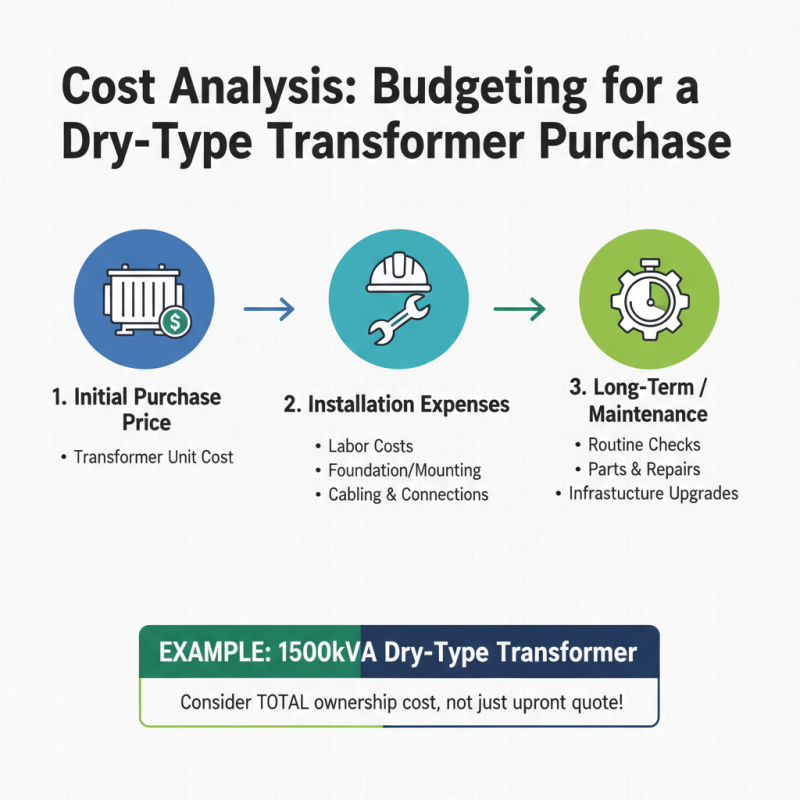
When budgeting for a dry-type transformer, numerous costs come into play. The initial purchase price is crucial. However, installation and maintenance expenses often rise after the first quote. For instance, a 1500kva Dry Type Transformer may have a competitive purchase price, but it's essential to factor in labor costs and any necessary upgrades to infrastructure.
Utility incentives can also affect your budget positively. Some regions offer rebates for energy-efficient equipment. This incentive can mitigate costs significantly, leading to potential savings over time. Additionally, understanding the long-term operational costs is vital. A well-chosen transformer can bring efficiency and lower energy bills after installation.
But not every choice will fit your needs. Miscalculations in power requirements can lead to over or under-sizing. This reflects the importance of thorough research and expert consultation. Each project's unique requirements demand careful consideration of specifications and future scalability. While your budget might dictate choices, making informed decisions can prevent costly mistakes.
When selecting a dry-type transformer, the manufacturer plays a crucial role. The right supplier ensures quality and reliability. They should have a strong background in electrical systems. Look for companies with extensive experience in designing and constructing transformers. A trusted manufacturer has completed various projects successfully. This experience builds confidence in their products.
Check certifications and standards for compliance. Quality assurance is critical for safety and efficiency. A knowledgeable supplier will provide documentation to support their claims. Transparency in processes builds trust. Evaluating past client reviews adds another layer of insight. User feedback is invaluable in assessing performance.
Consider customization options for your 500 Kva Dry Type Transformer. Each project has unique demands. A flexible manufacturer can tailor solutions to fit specific needs. This adaptability sets apart the best suppliers from the rest. Reflect on your project's requirements and ask pointed questions. Engaging in detailed discussions can reveal a supplier's expertise and commitment to quality.
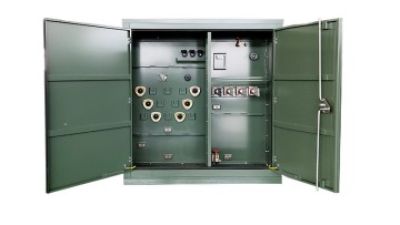
In today's industrial landscape, the demand for reliable and efficient power distribution solutions is ever-increasing. The 225 kVA 34.5kV 3-Phase Pad Mounted Transformers stand out as optimal choices for industrial distribution systems. Designed for primary voltage ratings of 34.5kV and secondary voltage ratings of 600/347V, these transformers demonstrate a commitment to enhancing overall system performance. The Dyn1 connection type ensures stable transformer's operation while allowing seamless integration into existing power networks.
Moreover, these pad-mounted transformers are engineered to comply with CSA C227.4 standards, reflecting their capacity to operate reliably in various conditions. With a rated power of 225 kVA, they are capable of handling significant electrical loads, making them suitable for expansive industrial applications. The cooling method is categorized as KNAN, highlighting the effective cooling processes employed to maintain optimal temperatures even during peak usage. Reports indicate that robust cooling solutions can extend the lifespan of transformers and improve operational efficiency, which underscores the technological advancements incorporated into these models.
As industries strive for greater efficiency, investing in high-quality transformers like the 225 kVA 34.5kV units can lead to reduced downtime and maintenance costs. The incorporation of advanced materials and precision engineering not only enhances reliability but also supports sustainable practices within industrial electrical systems. By harnessing these transformers, businesses can ensure a steady supply of power, thereby bolstering productivity and operational excellence.
: A well-maintained dry-type transformer can last up to 30 years.
Keep an eye on the cooling system and remove dust and debris.
Routine inspections help identify potential issues and maintain optimal performance.
Overloading can lead to unnecessary stress and premature failures.
Document any changes or repairs to track performance over time.
The manufacturer ensures quality and reliability through their experience.
Certifications guarantee compliance with safety and efficiency standards.
User feedback provides insights into performance and reliability.
Customization allows the transformer to meet specific project needs effectively.
Engage in detailed discussions and ask pointed questions about their products.
When selecting a Dry-Type Transformer for your project, it's crucial to understand their applications and how they differ from other transformer types. This involves assessing various factors such as voltage and power requirements to ensure optimal performance. Additionally, evaluating the efficiency and environmental impact is essential, as it can influence long-term operational costs and sustainability goals.
Maintenance and lifespan considerations play a significant role in the overall cost analysis, making it important to budget adequately for both the initial purchase and ongoing upkeep. Finally, choosing a reputable manufacturer and supplier is vital for ensuring quality assurance and reliability in your Dry-Type Transformer investment. All these aspects together form a comprehensive approach to making an informed selection that meets your project's specific needs.