In the fast-changing world of electrical infrastructure, the 50kva 80kva Transformer still plays a pretty crucial role across all sorts of applications. As John Smith from Power Solutions Inc. put it, “Getting the right transformer is really all about energy efficiency.” That just goes to show how important it is to pick the right specs for these transformers, right?
When you're looking at options for 50kva and 80kva Transformers, there’s quite a bit to consider—stuff like load capacity, voltage regulation, and how efficient they are. Companies really need to make sure they’re investing in transformers that actually match their needs. Honestly, though, with so many options out there, it can get a little overwhelming to figure out what’s best.
And hey, don’t forget about pricing! Costs can swing quite a bit depending on the specs and the brand’s reputation. Jumping into a purchase without doing your homework might end up costing you a lot more in the long run. The trick is to make your decision based on some solid knowledge and experience. Spending a little extra time researching now can really pay off down the line. All in all, the market for 50kva and 80kva transformers is pretty complex, but getting informed makes all the difference when making a smart choice.
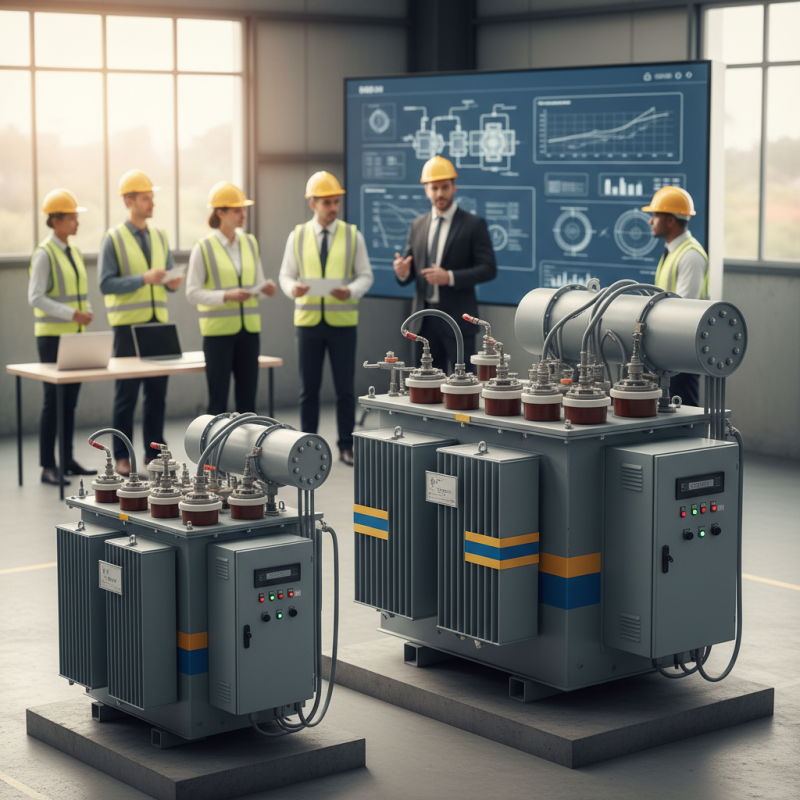
China Transformer Overview: Understanding 50kva and 80kva Models
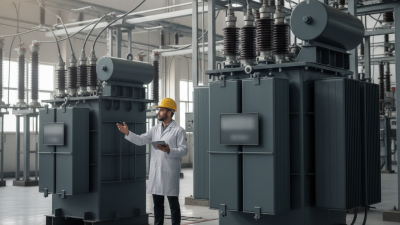
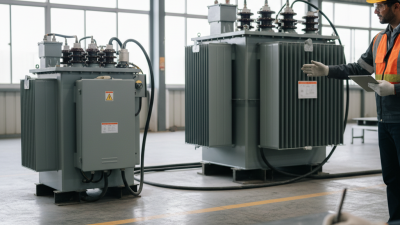
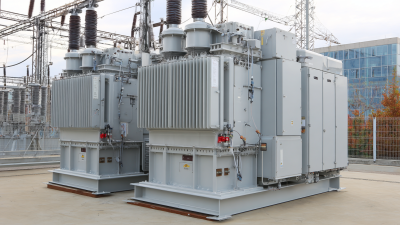
When exploring transformer options, the 50kva and 80kvamodels stand out. These Power Transformers serve various industrial needs. The50kva Transformer is suitable for smaller operations. It delivers reliable performance for equipment that requires moderate power. In contrast, the 80kva model is designed for larger operations, making it ideal for heavy machinery.
Understanding specifications is crucial for making informed decisions. For instance, the voltage rating, efficiency, and cooling method impact performance. A 50kva unit typically operates efficiently at lower loads. The 80kva model excels under heavier demands. Industrial sectors often choose transformers based on their unique power requirements. Misjudging the needed capacity can lead to inefficiencies.
Pricing varies widely depending on specifications and manufacturer quality. It is essential to compare costs against performance features. Often, higher upfront costs can lead to increased reliability and lower maintenance over time. Buyers should do thorough research, weighing options carefully before committing. This process can lead to better investment outcomes.
Key Specifications of 50kva Transformers in China
When considering the specifications of 50kva transformers in China, understanding key features is essential. These transformers are commonly used in various applications, including construction and manufacturing. A typical 50kva transformer is designed to step down high voltage to safe, usable levels. It allows for efficient energy distribution while maintaining safety standards.
Key specifications include insulation type and cooling methods. Oil-filled transformers offer excellent heat dissipation, while dry-type models are more environmentally friendly. Each type has its pros and cons. Users should assess their specific needs carefully. Is your application sensitive to noise? Then, a dry-type might be preferable. However, an oil-filled Transformer 80kva offers greater capacity for larger operations.
Tips: Always verify the voltage ratings and dimensions before purchase. Understanding the specific ampacity ratings is crucial. Seek professional advice when choosing the right transformer, as it can greatly impact performance. Being thorough in your research can save you from costly mistakes later on. Don't overlook routine maintenance for longevity—staying proactive is key.
Key Specifications of 80kva Transformers in China
When considering the specifications of 80kva transformers in China, key details matter. These transformers are generally used in various industrial applications. Voltage ratings, efficiency, and cooling methods are critical factors. Typically, an 80kva transformer operates at a primary voltage of 10kV or 35kV. The secondary voltage may vary based on requirements, often being 400V or 230V.
Another essential aspect is the efficiency of these units. Most transformers achieve efficiencies above 95%. This ensures minimal energy loss. However, it's crucial to evaluate the operating environment. Poor ventilation can lead to overheating, reducing reliability and lifespan.
In terms of pricing, the cost fluctuates based on build quality and materials used. Higher-quality models may command premium prices but can provide long-term savings through durability. Investing in reliable specifications is wise, yet be cautious. Cheap alternatives may seem attractive, but they often compromise performance.
Comparative Analysis: 50kva vs. 80kva Transformers
When comparing 50kva and 80kva transformers, several critical factors come into play. The 50kva transformer is often chosen for smaller operations. It is efficient for low to moderate power requirements. In contrast, the 80kva transformer is better suited for larger industrial applications. This unit can handle higher loads, which is essential for bigger facilities.
Power output is a key difference. A 50kva transformer typically supports equipment like small motors and lighting. An 80kva unit can manage larger machines and complex systems. The decision often hinges on the specific power needs of a facility. Some may underestimate their requirements. This can lead to inefficiencies or interruptions in service.
Cost is another important consideration. The initial price of each transformer varies significantly. A 50kva transformer is usually more affordable upfront. However, if a business grows, it may need to upgrade sooner. This could mean additional costs in the long run. Analyzing the total cost of ownership is crucial for making a smart choice.
Pricing Factors for 50kva and 80kva Transformers in China
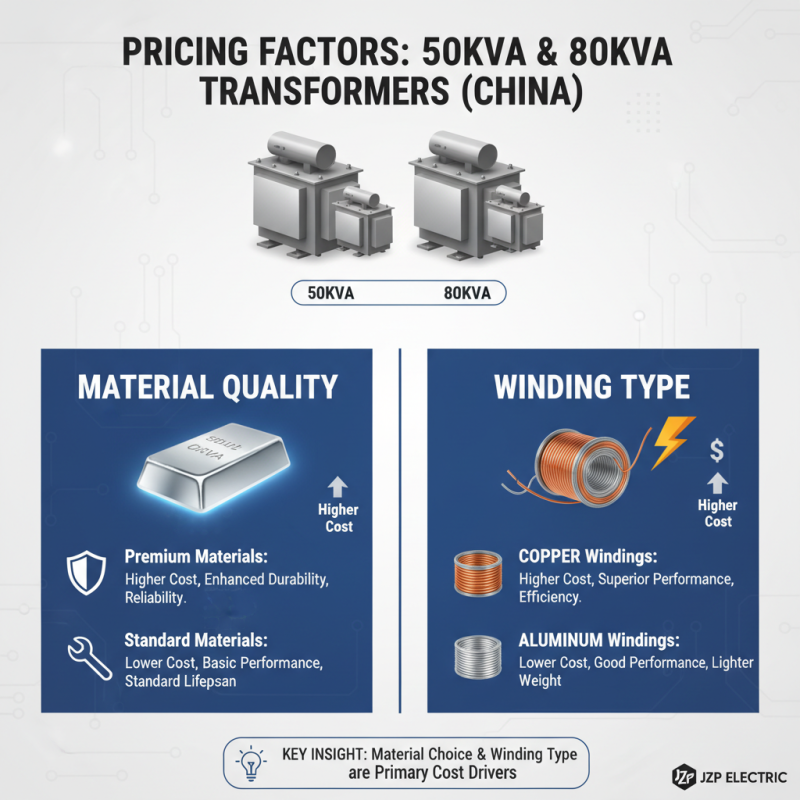
When looking at 50kva and 80kva Transformers in China, several pricing factors come into play. Material quality affects costs significantly. Premium materials may raise prices but ensure better durability. We often see variations based on copper versus aluminum windings. Copper is more expensive but offers improved performance.
Production methods also impact pricing. Traditional manufacturing may reduce initial costs but could lead to frequent maintenance. In contrast, modern techniques can ensure higher efficiency and longer lifespans. Buyers might hesitate here. Are they saving money now at the expense of future reliability?
Market demand fluctuates and can affect pricing as well. Regions with higher demand might see increased costs for 80kva transformers. Economic conditions play a role too. Prices could rise amidst inflation or drop during economic downturns. Buyers need to stay informed and consider their long-term needs. Understanding these factors can lead to smarter purchasing decisions.
Key Manufacturers and Suppliers of Transformers in China
When considering transformer solutions, it's essential to understand the landscape of manufacturers in China. The market includes a variety of companies offering Transformer 50kva and 80kva models. Many of these manufacturers pride themselves on technological expertise and competitive pricing. However, buyers often face challenges in selecting the right supplier, as not all manufacturers maintain the same standards.
Chinese suppliers vary significantly in their reputations. Some have decades of industry experience. Others may lack the reliability needed for crucial projects. It’s vital to conduct thorough research. Checking certifications and customer reviews can provide insights into a manufacturer's reliability. Without proper vetting, clients might end up with subpar products. This can lead to operational inefficiencies.
In terms of pricing, there is a notable range. Factors influencing costs include manufacturing capabilities and technological advancements. Transparent pricing structures are essential. Hidden fees can complicate budgeting. Engaging with several suppliers before making a purchase can ensure competitive pricing. This approach allows for a well-rounded decision-making process, ultimately leading to a satisfactory purchase.
Common Applications and Industries for 50kva and 80kva Transformers
When considering the applications for 50kva and 80kva transformers, it's important to recognize their versatility. These transformers are commonly used in manufacturing, commercial buildings, and agricultural settings. In manufacturing, they power machinery and equipment, ensuring smooth operations. In commercial buildings, they support lighting and HVAC systems. Meanwhile, the agricultural sector uses them for irrigation pumps and processing equipment.
Setting up a 50kva Transformer demands careful planning. Assess the power needs before installation. Make sure the transformer is positioned away from high-traffic areas. This reduces potential hazards and improves access for maintenance.
Tips: Regular inspections can prevent unexpected downtimes. Check for any signs of wear or overheating. It's also essential to comply with local electrical codes.
80kva transformers often suffer from underutilization. Businesses may select larger transformers than necessary. This leads to inefficiencies and increased costs over time. Evaluating power requirements accurately can enhance performance significantly.
China Top 50kva 80kva Transformer Specifications and Pricing Guide
| Specification | 50 kVA Transformer | 80 kVA Transformer |
| Power Rating | 50 kVA | 80 kVA |
| Voltage Rating (Primary/Secondary) | 10kV / 400V | 10kV / 400V |
| Efficiency | > 98% | > 98% |
| Weight | 500 kg | 800 kg |
| Cooling Type | Oil Natural Air Natural (ONAN) | Oil Natural Air Natural (ONAN) |
| Price (Approx.) | $1,500 | $2,200 |
| Common Applications | Small Industrial Units, Commercial Buildings | Larger Industrial Facilities, Hospitals |
| Industries | Manufacturing, Retail | Manufacturing, Healthcare |
Maximizing Energy Efficiency: A Comprehensive Guide to 69kV 4200kVA and 5250kVA 3-Phase Power Transformers
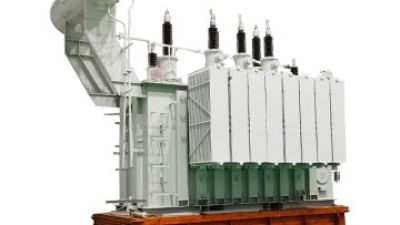
In the quest for enhancing energy efficiency, three-phase power transformers, particularly the 69kV 4200kVA and 5250kVA models, play a pivotal role in industrial and utility applications. These transformers are engineered to optimize the conversion of high voltage electricity into usable lower voltage outputs while minimizing energy losses. With primary voltage ratings up to 121kV and customizable secondary voltage ratings—such as 11kV, 10.5kV, and 6.6kV—these transformers are adaptable to a variety of Power Distribution needs.
The high voltage tap range of ±8×1.25% allows for precise adjustments to maintain operational efficiency under fluctuating load conditions. Employing a YNd11 connection type facilitates balanced load distribution and improves performance stability. Furthermore, the oil immersed design ensures effective cooling and enhances the longevity of the transformer, making it a preferred choice for modern substations. Implementing these state-of-the-art transformers will not only maximize energy efficiency but also contribute to sustainable power management solutions in diverse environments.
FAQS
: The main difference is power output. The 50kva is ideal for smaller operations, while the 80kva serves larger facilities.
These are commonly used in manufacturing, commercial buildings, and agriculture for powering small machinery and lighting.
The 50kva unit is cheaper upfront, but growing operations may incur additional costs for upgrades sooner than expected.
Evaluate your facility's power needs carefully. Underestimating requirements can lead to service interruptions and inefficiencies.
Research suppliers' reputations and check certifications. Not all maintain the same quality standards, which impacts project reliability.
Regular inspections are vital. Look for heating signs and wear. Ensuring compliance with local codes also helps in maintenance.
Often, 80kva transformers are underutilized. Oversizing leads to inefficiencies, increasing costs over time. Evaluate power needs thoroughly.
Yes, positioning transformers away from traffic reduces hazards. Proper installation improves maintenance access and operational efficiency.
Conclusion
This article provides a comprehensive overview of the 50kva and 80kva transformers commonly used in China. It delves into the key specifications of both models, highlighting their distinct features and capabilities. A comparative analysis underscores the differences between the 50kva and 80kva transformers, assisting potential buyers in making informed decisions based on their specific power requirements.
Additionally, the article discusses various pricing factors that influence the cost of 50kva and 80kva transformers in the Chinese market, as well as the prominent manufacturers and suppliers in the industry. Common applications and industries that utilize these transformers are also explored, shedding light on their practical usefulness in various settings. This guide serves as a valuable resource for anyone looking to understand the specifications and market dynamics of 50kva 80kva Transformers in China.

 +86 18068001229
  Contact Phone
 Contact Email