 +86 18068001229
 Leave Your Message
- Contact WhatsApp
-
 Contact Phone
 -
 Contact Email
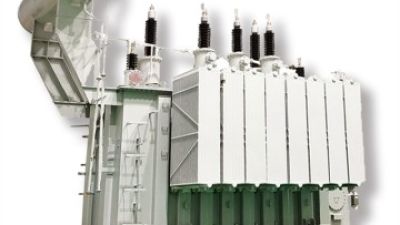
In the world of electrical engineering, knowing the difference between a 50kVA and an 80kva Transformer really matters. Experts like Dr. Michael Roberts from Power Solutions Ltd. often say, “Picking the right transformer can make a big difference in performance and efficiency,” and honestly, that couldn’t be more true for anyone involved in choosing these devices. The whole50kVA vs. 80kVA Transformer debate shows how different power capacities play a role in various applications—it's not a one-size-fits-all deal.
When you're weighing these options, you’ve gotta look at their design and how well they perform in real-world scenarios. Usually, a 50kva Transformer works just fine for smaller setups, but if you’re dealing with bigger loads, the 80kVA is probably the better choice. That’s why it’s so important to think about what you really need. Sometimes, folks forget that bigger capacity doesn’t automatically mean it's better for their situation.
Comparing a 50kVA to an 80kVA transformer reveals subtle differences that you really should pay attention to. Sometimes, people rush into buying without considering all the important factors, and that can lead to issues down the line. Understanding how these transformers work, their limits, and their performance nuances can make a huge difference. Taking the time to learn this stuff helps you make smarter decisions and avoid overbuying or underperforming equipment—that's a win all around.
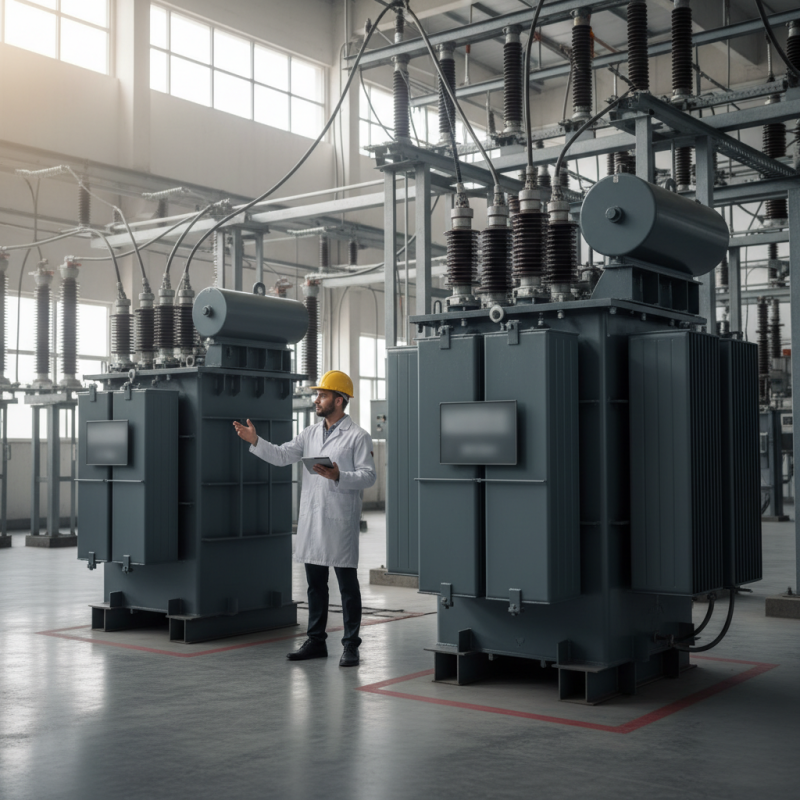
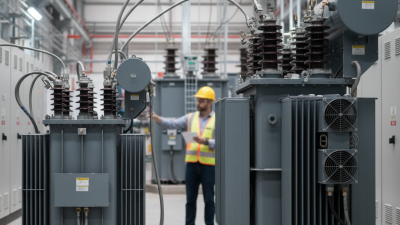
Transformers play a crucial role in electrical systems. They step up or step down voltage levels based on specific needs. Understanding the difference between a 50kVA and an 80kVA transformer is key for engineers and technicians.
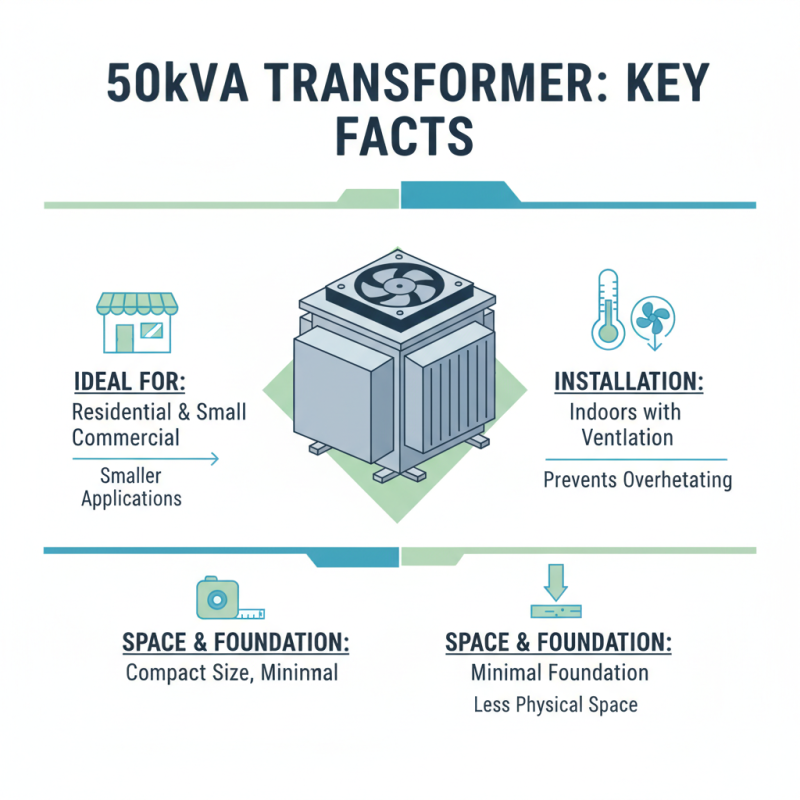
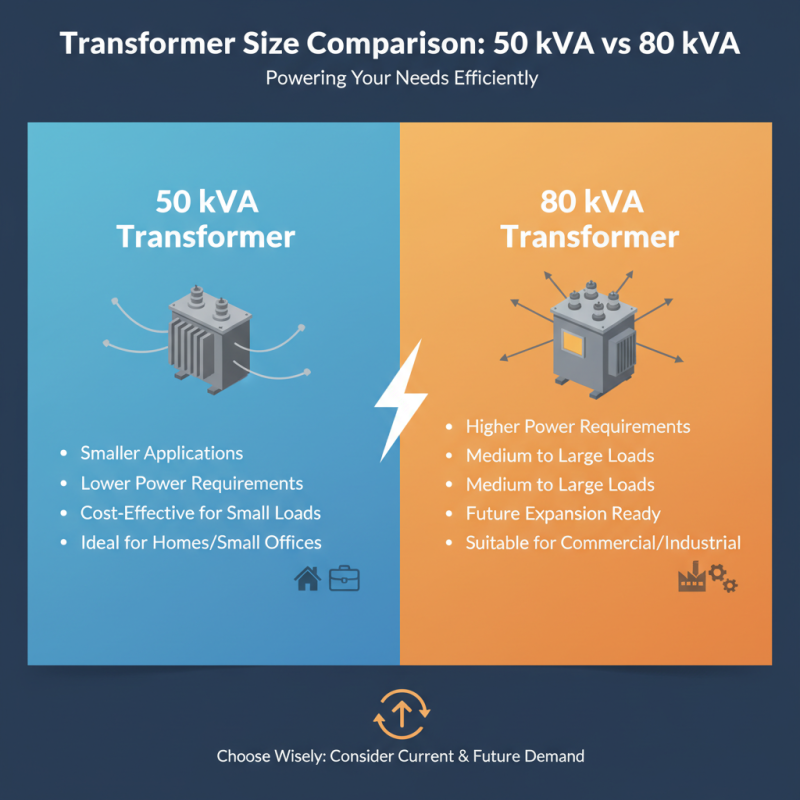
A 50kVA transformer is designed to handle up to 50 kilovolt-amperes. This transformer is suitable for smaller loads, like residential buildings or small commercial spaces. It can support significant electrical loads without overheating. Meanwhile, a Transformer 80kva can accommodate larger power demands. It’s ideal for industrial applications or larger commercial buildings. The increased capacity means it can deliver more power efficiently.
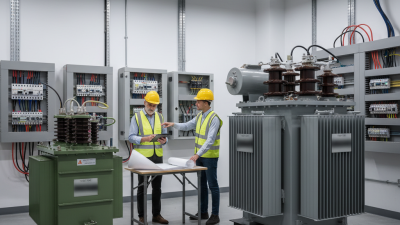
The efficiency of these transformers can vary based on design and operational conditions. Studies indicate that an 80kVA transformer may offer improved efficiency rates compared to its 50kVA counterpart under heavy loads. However, it's essential to optimize the installation. If not managed correctly, users may experience inefficiencies. Load calculations should be precise to avoid underutilization or overloading. Engaging with a qualified professional ensures proper recommendations for specific applications.
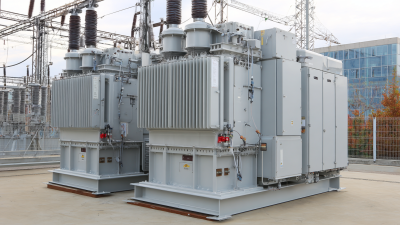
Power Transformers play a crucial role in modern electrical systems, acting as the backbone for efficient energy performance and reliable electricity distribution. These transformers are engineered to handle alternating current (AC) electricity while transferring it between circuits at varying voltage levels. By stepping up or down voltages, power transformers ensure optimal electricity flow for a wide range of applications, from energy grids to industrial plants and commercial facilities. According to industry reports, the global power transformer market is expected to witness a significant compound annual growth rate (CAGR) of around 6% over the next five years, driven by the growing demand for renewable energy solutions and a focus on energy efficiency.
When considering the design and functionality of power transformers, durability and performance are of utmost importance. Products that conform to international standards such as IEC and IEEE not only prioritize safety but also enhance operational efficiency and sustainability. For instance, utilizing materials with high thermal conductivity can improve energy transfer, minimizing energy losses during operation. Additionally, emerging trends in smart grid technology highlight the demand for transformers that can seamlessly integrate with advanced monitoring and control systems, contributing to improved energy management practices across various sectors.
The transition towards high-efficiency power transformer solutions is further supported by initiatives focused on reducing carbon emissions and promoting sustainable energy usage. Current research indicates that implementing advanced materials and innovative design approaches can lead to efficiency improvements of up to 20%, enabling significant cost savings and environmental benefits for utility providers and end-users alike. As the industry evolves, leveraging these insights will be essential in meeting both current and future energy demands.
: Regular exercise improves physical health. It boosts energy levels and promotes better sleep. Mental health also improves with routine activity.
Set realistic goals and track progress. Finding a workout buddy may help. Enjoyable activities keep motivation high.
Rest the injured area and apply ice. Consult a healthcare professional for proper guidance. Don’t rush back into exercise.
It’s good to change routines every 4-6 weeks. New challenges can prevent boredom. Variety keeps you engaged in your fitness journey.
Yes, home workouts can be effective. Bodyweight exercises are great options. Outdoor activities also provide excellent alternatives.
Nutrition fuels your body for workouts. Balanced meals enhance performance and recovery. Eating well is essential for overall health improvements.
Signs of overtraining include fatigue and irritability. Difficulty sleeping is another sign. It's essential to listen to your body.
Yes, warming up prepares your body. It increases blood flow and reduces injury risk. Skipping this step may lead to problems.
Short, high-intensity workouts are effective. Even 10-minute bursts can be beneficial. Prioritizing schedules helps fit in physical activity.
Many believe that exercising daily is necessary. Rest days are crucial for recovery. Balance is key for long-term success.
The article "What is the Difference Between 50kVA and 80kVA Transformer?" provides a comprehensive overview of the varying capacities and applications of these two transformer ratings. It begins by explaining fundamental transformer concepts and their functions, which set the stage for understanding the significance of the 50kVA and 80kVA transformers. The key differences between these ratings are explored, particularly in terms of power capacity, efficiency, and the performance characteristics that may make one more suitable than the other for specific applications.
Furthermore, the article delves into the cost implications associated with investing in a 50kVA versus an 80kVA transformer and outlines the installation requirements tied to each size. Ultimately, it emphasizes the importance of accurately evaluating one's energy needs to determine the right transformer size, highlighting the roles and considerations that influence the choice between a 50kVA and 80kVA transformer.