Deciding between a 50kVA and an 80kva Transformer isn't just a small technical detail — it really can make a big difference in how efficiently your system runs and how much you end up spending in operational costs. From what experts are saying, understanding these key differences can actually help you manage your energy use a lot better. For example, I read a recent report from the International Energy Agency that said picking the right transformer size could cut energy losses by up to 30%. That’s pretty significant! John Thompson from Transformer Solutions put it simply: "Getting the right transformer is really important if you want your performance to be spot on."
If you check out this comparison of 50kVA and 80kVA transformers, you'll notice they're suited for different kinds of situations. For smaller setups, a 50kVA usually does the trick — it handles the job without being overkill. But if you’ve got a bigger operation or expect your load to grow, then an 80kVA might be the better choice to keep things running smoothly and avoid overloads. Making the wrong call here can lead to wasted energy and higher costs down the line — so understanding what your space needs now and in the future is super important.
That said, sometimes folks overlook some pretty important stuff during setup. Things like cooling needs or how much your load might bounce around aren’t always thought through. It’s not just about the upfront price either — long-term efficiency and performance really matter. Overlooking these details could come back to haunt you later. Picking the right transformer isn’t just a matter of numbers; it can really shape how well your electrical system performs and how long it lasts.
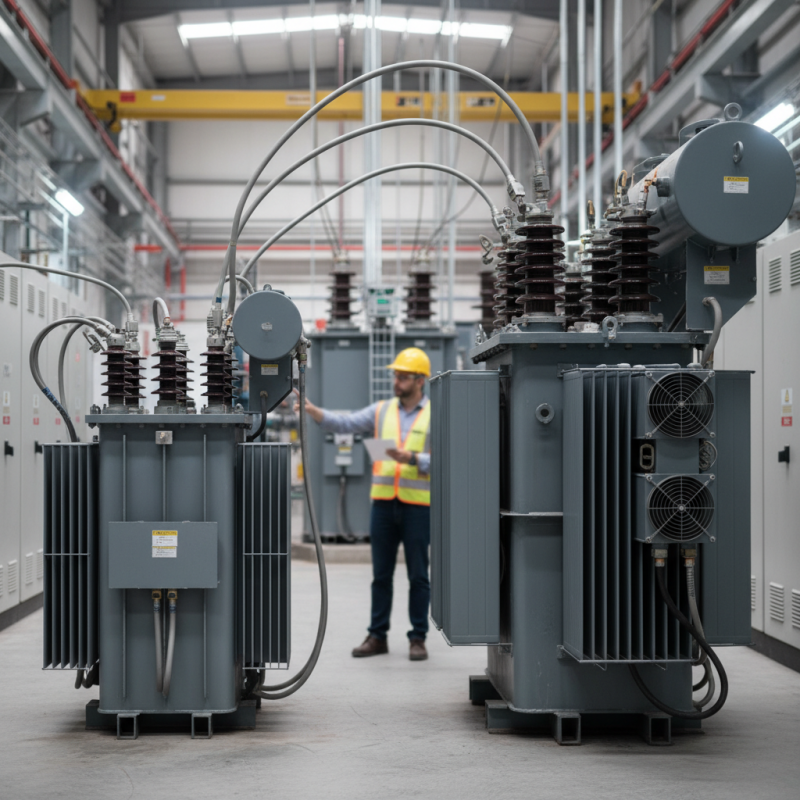
Definition of Transformers and Their Importance in Electrical Systems
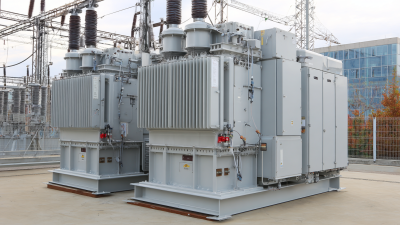
Transformers are critical components in electrical systems. They change voltage levels to ensure efficient Power Distribution. Without transformers, modern electrical networks would face significant challenges. They help minimize energy losses and provide stable power to homes and industries.
In power systems, choosing the right transformer size is essential. For example, a 50kva Transformer typically suits smaller loads. In contrast, an 80kVA transformer is better for larger demands. It's important to match transformer capacity with actual usage to avoid inefficiencies. Oversizing can lead to increased costs and wasted energy.
Tips: Always consider future load growth when selecting a transformer. If you anticipate needing more power, opt for a larger model. Regular maintenance also helps identify potential issues early. Use thermal imaging to check for hot spots. This proactive approach can prevent failures and extend transformer life.
What is the Difference Between 50kVA and 80kVA Transformers? - Definition of Transformers and Their Importance in Electrical Systems
| Parameter | 50kVA Transformer | 80kVA Transformer |
| Power Rating | 50 kVA | 80 kVA |
| Efficiency | 95% | 97% |
| Weight | 400 kg | 500 kg |
| Dimensions (L x W x H) | 700 x 500 x 1200 mm | 800 x 600 x 1400 mm |
| Cooling Type | Air-cooled | Oil-cooled |
| Applications | Small industrial loads | Larger commercial installations |
Understanding kVA: Key Concept in Transformer Ratings
Transformers are essential in electrical systems. Understanding their ratings is crucial. The term kVA stands for kilovolt-amperes. It measures apparent power. Both 50kVA and 80kVA transformers have different capacities. The 50kVA transformer can handle less load. Conversely, an 80kVA transformer provides more power.
In practical terms, a 50kVA transformer can support a few dozen lights or small motors. An 80kVA model, however, can power larger equipment or multiple devices simultaneously. This difference in capacity impacts efficiency and operational costs. According to industry reports, misjudging transformer size can lead to energy loss. A transformer operating below 30% capacity may waste up to 15% energy.
Tip: Always assess your power needs carefully before selecting a transformer. Overestimating can lead to unnecessary costs.
Another crucial point is heat generation. A larger transformer, like the 80kVA, typically dissipates heat differently than a smaller one. The thermal performance affects reliability and lifespan. Industry analysis suggests that transformers operating above 90% capacity can experience significant stress, leading to premature failure.
Tip: Regular maintenance and monitoring can prevent issues. Consider potential load growth in your planning to avoid future headaches.
Comparison of 50kVA and 80kVA Transformers: Basic Specifications
When comparing 50kVA and 80kVA transformers, specifications play a crucial role. The 50kVA transformer is ideal for smaller loads, providing efficiency in residential settings. It usually features compact dimensions. This makes it easier to install in tight spaces. Moreover, its lower capacity means it consumes less energy. However, it may not support larger equipment effectively.
On the other hand, the Transformer 80kva offers significantly higher power output. This transformer suits industrial applications better. It can handle heavier loads and multiple devices. Its size is larger, which can be a drawback in confined areas. Additionally, it often requires more extensive cooling mechanisms. Users should consider if such a transformer fits their needs. Another point to reflect on is cost. The initial investment for an 80kVA unit is higher, which can strain budgets.
In essence, the key differences lie in capacity and application. Choosing the correct transformer hinges on the specific power demands. Size, efficiency, and financial implications matter greatly. It's vital to assess both options carefully.
Load Capacity and Applications of 50kVA Transformers
When examining the load capacity and applications of 50kVA transformers, it’s clear they play a crucial role in various industries. Typically, these transformers are used in small to medium-sized facilities. They are ideal for powering lighting, heating systems, and small machinery. Their compact size makes them perfect for space-limited settings.
In contrast, the 80kva Transformer caters to larger power demands. It's suitable for bigger businesses or manufacturing plants with heavy machines. The increased capacity allows for more equipment to be operated simultaneously. An 80kVA transformer provides a safety margin. It helps prevent overload scenarios common in busy environments.
However, one must consider efficiency. A 50kVA transformer may not support all needs if the demand suddenly spikes. This highlights the importance of proper load analysis. Calculating power needs should not be overlooked. Ignoring this may lead to frequent failures. All power systems, large or small, require careful planning and thought.
Comparison of 50kVA and 80kVA Transformers
Load Capacity and Applications of 80kVA Transformers
The load capacity of transformers plays a critical role in their application across various industries. An 80kVA transformer is designed to handle more significant electrical loads than a 50kVA transformer. This capacity makes the 80kVA variant more suitable for industrial and commercial settings. In these applications, the ability to support larger machinery is essential. Data indicates that in manufacturing plants, using an 80kVA transformer can effectively power multiple machines, ensuring smoother operations.
In contrast, a 50kVA transformer is often utilized in smaller operations, like retail stores or small workshops. These transformers typically handle lower loads. For example, small businesses might find that a 50kVA transformer is sufficient for their needs. However, as companies grow, they may find the 50kVA model inadequate. This limitation often leads to operational inefficiencies. It's imperative for businesses to periodically assess their energy requirements.
Throughout various sectors, the demand for reliable electrical supply continues to rise. Reports suggest that the industrial sector's electricity demand could grow by up to 20% in the next decade. The challenge is making wise choices regarding transformer selection. An 80kVA transformer might provide the necessary capacity today but may require reevaluation as the load might fluctuate in the future, posing risks for inadequate power supply.
Advantages and Disadvantages of Using 50kVA vs 80kVA Transformers
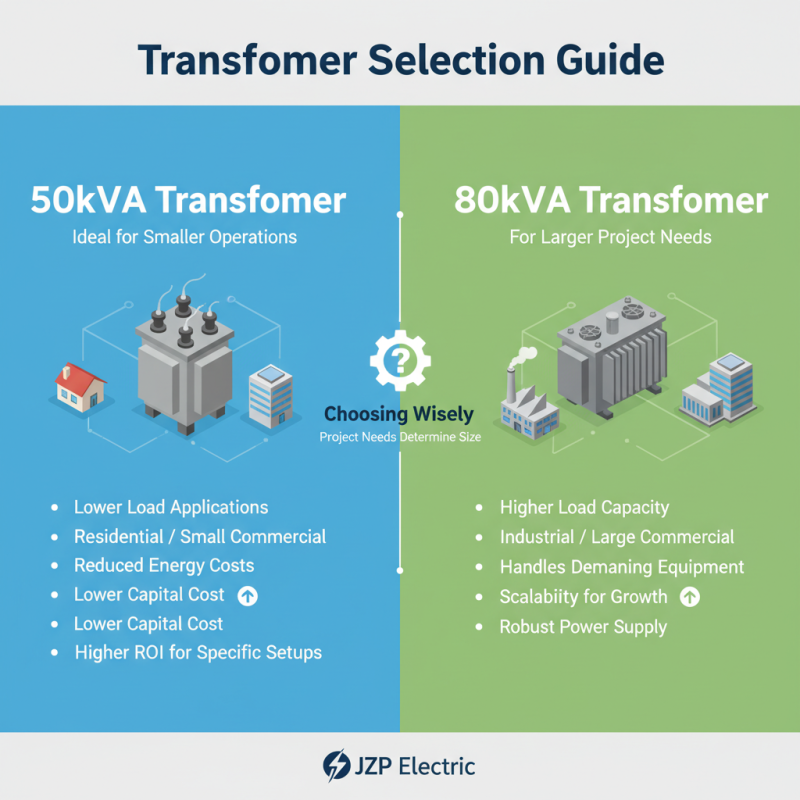
When choosing between a 50kva Transformer and an 80kVA transformer, the decision often hinges on specific project needs. The 50kVA transformer is beneficial for smaller operations. It efficiently handles lower load applications, often found in residential or small commercial settings. This model can help reduce energy costs. Studies show that smaller transformers can have lower capital costs, which results in higher ROI in certain setups.
On the other hand, an 80kVA transformer provides extra capacity. It's ideal for larger applications or future expansions. It allows for greater load management and reduces the risk of overloading. A report by the International Energy Agency shows that transformers with higher ratings can achieve improved energy efficiency. However, this comes with a higher initial investment and increased maintenance considerations. The larger size might not be necessary for every project.
The choice between these two transformers boils down to more than just capacity. A 50kVA transformer is suitable for immediate low demand but may require upgrades later. In contrast, committing to an 80kVA could prevent future hassles yet entails greater upfront costs. This trade-off needs careful thought. Ultimately, understanding the actual load requirements and future project scope is crucial in making an informed decision.
Factors Influencing the Choice Between 50kVA and 80kVA Transformers
When choosing between 50kVA and 80kVA transformers, several key factors come into play. Load requirements are critical. The 50kVA transformer suits smaller applications, while the 80kVA unit handles larger loads. The choice can hinge on peak demand and future growth. Reports indicate that up to 30% of businesses underestimate their power needs, leading to inefficient setups.
Efficiency is another consideration. Transformers operate differently under varying loads. A 50kVA model may perform optimally at lower utilization. In contrast, the 80kVA variant can maintain better efficiency at higher demands. Data has shown that proper sizing can enhance operational efficiency by up to 15%.
Installation space is often overlooked. A larger transformer needs more room. Often, facilities don't account for this, leading to constraints. Maintenance is also a factor. An 80kVA unit may require different care compared to its smaller counterpart. Understanding these dynamics is crucial for effective decision-making in transformer selection.
Exploring the Benefits and Applications of Single Phase Pole Mounted Transformers—15KVA for Efficient Power Distribution
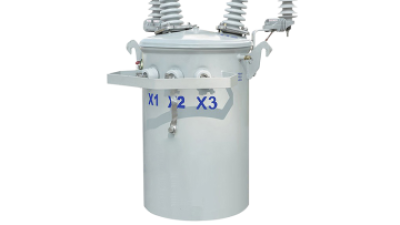
Single Phase Pole Mounted Transformers, particularly those rated at 15KVA, play a pivotal role in the efficient distribution of electrical power. Designed with primary voltage ratings of 12470 Delta V and secondary voltage ratings of 120/240V, these transformers are crucial in ensuring that power systems operate seamlessly. Their ability to handle significant loads while maintaining efficiency is essential for utility companies striving to deliver reliable electricity to urban and rural areas alike.
The H.V. tap range of ±2*2.5% allows for adjustments based on varying power demands, making these transformers versatile in application. With a BIL rating of 95/30kV, they maintain robust performance under various conditions, effectively protecting against surges. Adhering to rigorous standards such as IEEE C57.12.20 and ANSI C57, these pole mounted transformers ensure compliance with industry protocols, guaranteeing safety and reliability in power distribution networks. Their design facilitates easy installation and maintenance, making them an ideal choice for utility and distribution applications.
FAQS
: A healthy diet should include fruits, vegetables, whole grains, protein, and healthy fats. Balance is key.
Add veggies to smoothies, salads, or stir-fries. Keep frozen options on hand for convenience.
Staying hydrated aids digestion, circulation, and body temperature regulation. Drink water throughout the day.
Aim for at least 150 minutes of moderate exercise each week. Find activities you enjoy to stay motivated.
Time constraints and lack of motivation can hinder progress. Reflect on personal challenges and seek solutions.
Mindful eating helps recognize hunger cues and promotes satisfaction. It can prevent overeating and improve overall enjoyment.
Identify triggers and find healthier alternatives. Keep portions small and practice moderation. Reflection helps here too.
Plan meals ahead of time and create a grocery list. Prep ingredients in advance to save time during the week.
Many factor into this, like stress and environment. It’s crucial to identify and address these roadblocks.
Establish a regular sleep schedule and create a relaxing bedtime routine. Aim for quality over quantity in sleep.
Conclusion
Transformers are vital components in electrical systems, allowing for the efficient transmission and distribution of electrical energy. Understanding the kVA (kilovolt-amps) rating is crucial, as it reflects the transformer’s capacity to handle loads without exceeding its limits. In comparing the 50kVA and 80kVA transformers, the key distinctions lie in their specifications, load capacities, and suitable applications.
The 50kVA transformer is typically sufficient for smaller loads and applications like residential and small commercial setups, while the 80kVA transformer caters to larger demands in larger commercial or industrial infrastructures. Each transformer type has its advantages and disadvantages, with the choice influenced by factors such as the anticipated load, space considerations, and efficiency requirements. Ultimately, selecting between a 50kVA and 80kVA transformer involves carefully assessing the specific needs of the electrical system to ensure optimal performance and reliability.

 +86 18068001229
  Contact Phone
 Contact Email