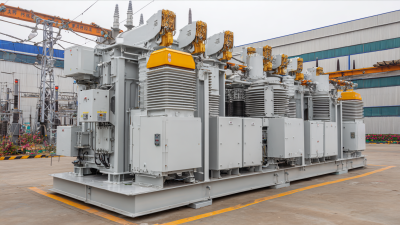
Choosing a 13.8kv Transformer is a pretty important step when you’re setting up your electrical distribution. It’s not just about picking something off the shelf — the right choice actually influences how efficient your energy use will be and how safe your operations are. There are quite a few things to keep in mind here, like capacity, efficiency, and where you’re planning to install it.
Honestly, a lot of companies tend to overlook these details, focusing too much on cost and not enough on performance, which can sometimes lead to bigger problems down the line. So, it’s really key to understand the specs of a 13.8kv Transformer — make sure it’s the right fit for your load needs. Also, think about the environment it’ll be working in; that can make a big difference.
If you don’t plan carefully, you might end up with a system that can’t deliver enough power or, worse, one that overheats and causes damage. It’s super important to take your time and really assess what you need — rushing this step isn’t a good idea. When you pick the right transformer, it’ll not only be reliable but will also last longer, saving you headaches later. Don’t underestimate how critical this decision really is — it’s worth getting right the first time.
Understanding the Basics of 13.8kV Transformers
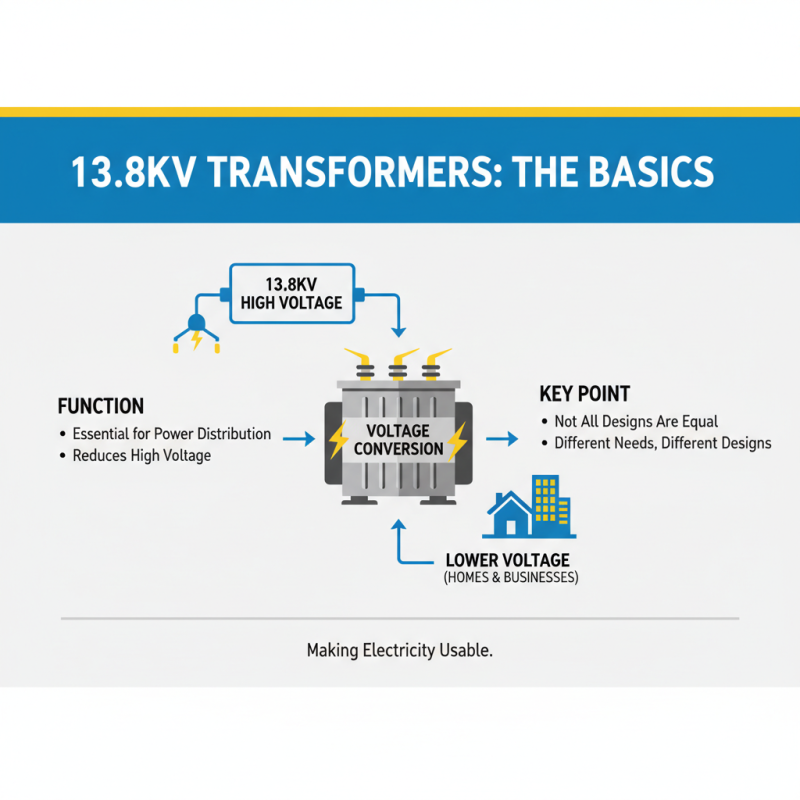
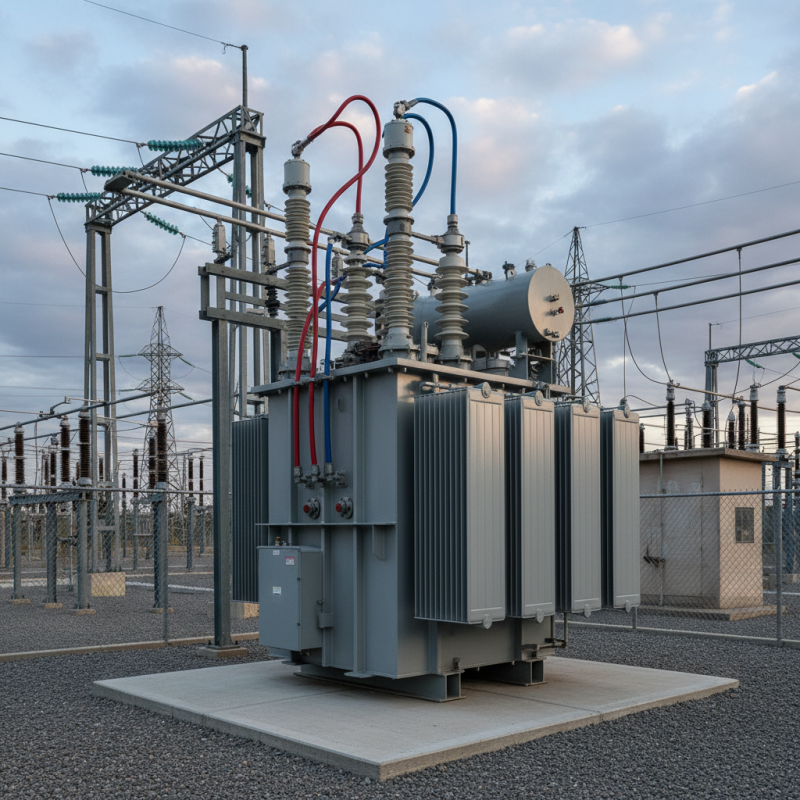
When selecting a 13.8kV transformer, understanding its basic functions is key. These transformers are essential for electric distribution systems. They convert high voltage electricity to a lower voltage, making it usable for homes and businesses. It's important to know that not all 13.8kV transformers are created equal. Different designs exist, and each serves unique needs.
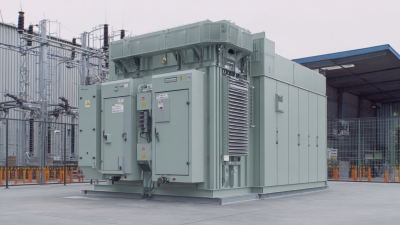
Pad Mounted Transformer 13.8kv units are popular for their compact design. They can be positioned on a concrete base, saving space. Their robust construction protects them from the elements and reduces maintenance issues. However, installation requires careful planning. Proper grounding and clear access for maintenance are critical factors to consider.
Additionally, one must reflect on capacity requirements. Overloading a transformer can lead to failures. Choose a model that meets your peak demand but also has room for growth. Inadequate assessment of future needs can lead to costly upgrades. It's a balance between current usage and future expansion, which often requires specialized knowledge. Understanding these basics helps in making informed decisions.
Key Specifications to Consider for 13.8kV Transformers
When selecting a 13.8kV transformer, pay attention to several key specifications. Voltage rating is paramount. Ensure the transformer is rated for 13.8kV. This guarantees compatibility with your electrical system. A mismatch could lead to operational failures or safety risks.
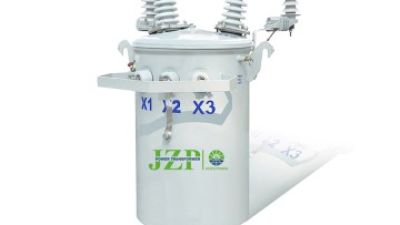
Another important aspect is the power rating. It should align with your load requirements. A transformer that is either oversized or undersized can cause inefficiencies. Look for a 13.8kV Single-Phase Transformer that meets your specific demands. This will maximize performance and reduce energy waste.
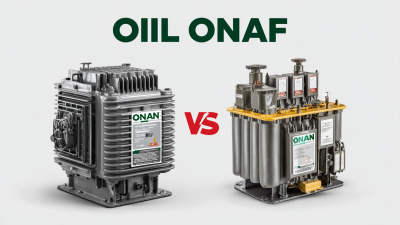
Cooling methods also deserve consideration. Determine if air-cooled or oil-cooled systems suit your needs. Each has its benefits and drawbacks. Lastly, don't overlook the transformer's short-circuit withstand capability. It must endure unexpected spikes. Always review these specifications carefully; ignoring them can lead to costly mistakes.
Evaluating Efficiency and Performance Metrics in Transformers
When choosing a 13.8kV transformer, efficiency and performance metrics are vital. Performance metrics help assess how well a transformer functions in real-world applications. High efficiency translates to lower energy loss. One key metric is the no-load loss, which occurs when the transformer is energized but not supplying power. Keep this number low for better efficiency.
Tips for evaluating efficiency include examining load loss and temperature ratings. Load loss, or copper loss, occurs when the transformer is under load. A good transformer should maintain a low load loss even at maximum capacity. Additionally, check the temperature rating. A transformer operating at lower temperatures generally shows better performance and longevity.
Look into the operational environment as well. Inappropriate settings can lead to inefficiencies. Sometimes, even a seemingly ideal transformer fails due to poor environmental conditions. Consider surrounding factors like humidity and airflow. Your choice may need revision based on these aspects. Prioritize performance over cost. The best transformer may not be the cheapest. Sometimes, that extra investment saves money in the long run.
Safety Standards and Compliance for 13.8kV Transformers
When selecting a 13.8kV transformer, safety standards play a crucial role. These transformers must comply with high standards of insulation and grounding. Proper insulation reduces the risk of electrical faults. Grounding ensures safe operation and minimizes hazards. Each unit must meet specific certification requirements to ensure reliable performance.
Compliance with safety codes is essential. It helps avoid accidents and enhances longevity. Check if the transformer meets local regulations. Look for certifications from recognized organizations. This information can be vital in preventing potential mishaps. Never overlook these details during the selection process.
It can be tempting to focus solely on performance metrics. However, neglecting safety can lead to severe consequences. Always ask questions about safety features. Consider the environment in which the transformer will operate. Reflecting on these factors can guide you to a safe choice. A well-rounded approach ensures both efficiency and safety.
Essential Tips for Choosing a 13.8kV Transformer
This bar chart illustrates essential metrics to consider when choosing a 13.8kV transformer, such as efficiency, cooling method, physical size, weight, and voltage regulation. These factors play a crucial role in ensuring safety and compliance with industry standards.
Selecting the Right Accessories and Components for Transformers
Selecting the right accessories and components for a 13.8kV transformer is crucial. Proper components enhance performance and reliability. Key accessories include circuit breakers, surge arresters, and bushings. Each component plays a specific role in the transformer's operation. For instance, circuit breakers protect the system from overloads. They prevent damage from unexpected surges in power.
When choosing accessories, consider the environment. Humid or corrosive areas may require specialized coatings for protection. Temperature variations can affect performance as well. Ensure components can withstand local climate conditions. Sometimes, inadequately rated accessories lead to failures. This places additional strain on the transformer, increasing maintenance costs.
Don't overlook the importance of installation practices. Proper mounting of accessories is vital. Poor installation can cause misalignment, leading to premature wear. Always consult with experts to determine the best configuration. Reflecting on past mistakes helps in this process. A detailed checklist for installation can improve outcomes.
Budgeting and Cost Factors in 13.8kV Transformer Selection
When selecting a 13.8kV transformer, budgeting and cost factors play a significant role. The initial purchase cost is just the start. Installation expenses, maintenance, and operational efficiency also matter significantly. Reports indicate that improper budgeting can lead to a total cost increase of nearly 30%. This figure is critical for project managers to consider.
Tip: Prioritize cost-efficiency. Look for a 13.8kv Liquid-Filled Pedestal Transformer that offers lower operational costs over time. Some may overlook this, focusing solely on the upfront expense. Understanding lifecycle costs is essential.
Another aspect is the unexpected costs. Variables such as site preparation or environmental compliance can inflate budgets. Studies show that many installations exceed initial estimates by 15% to 20%. This can pressure stakeholders and affect project viability.
Tip: Always factor in potential overruns when planning your budget. Seek expert advice to better understand your needs. Ignoring expert input may lead to oversights that are hard to address later. Choose wisely and plan comprehensively.
Common Applications and Use Cases for 13.8kV Transformers
When considering a 13.8kV transformer, it's essential to understand its typical applications. These transformers are commonly used in industrial Power Distribution. Factories and manufacturing plants rely on them for smooth operation. According to the IEEE, nearly 30% of industrial facilities use medium-voltage systems, including 13.8kV transformers.
In utility applications, these Voltage Transformers serve as a critical part of substations. They help instepping down voltage and improving energy efficiency. Data from the Electric Power Research Institute shows that proper transformer use can enhance system reliability by up to 20%. However, users might overlook the specific site conditions. Environmental factors like temperature and humidity can greatly affect performance.
Outdoor Transformers face unique challenges. They must withstandharsh weather conditions while providing consistent voltage. Installing them without considering local climate can lead to failures. Also, maintenance is often neglected. Regular checks can prevent costly downtime in a grid system. Understanding these aspects is vital for the safe operation of 13.8kV transformers.
Understanding the Benefits and Applications of Cooper Oil Immersed Transformers in High-Frequency Power Solutions
Cooper oil immersed transformers are essential components in high-frequency power solutions, providing reliable performance and efficiency across various applications. These transformers, available in a range of capacities from 15kVA to 500kVA, are designed to meet the demands of modern electrical systems, particularly where high-frequency operations are prevalent. Their ability to step up or step down voltages makes them versatile for projects that require precise control over power distribution, suitable for both commercial and industrial sectors.
Utilizing oil as an insulating medium, these transformers ensure optimal heat dissipation and enhanced electrical insulation, which is particularly advantageous in high-frequency scenarios. The design facilitates lower losses and improved voltage regulation, making them ideal for applications where operational stability is crucial. Furthermore, the robustness of oil immersed transformers allows them to operate efficiently in diverse environmental conditions, thereby extending their service life while maintaining high performance levels. The capacity range, including single-phase options, signifies their adaptability to various load requirements and operational contexts, underscoring their value in today’s energy landscape.
FAQS
: The voltage rating is crucial. It should be rated for 13.8kV to ensure compatibility.
Power rating must match your load requirements to avoid inefficiencies. An oversized or undersized transformer can cause issues.
Cooling methods like air-cooled or oil-cooled systems are important. Each method has unique advantages and disadvantages.
A transformer must handle unexpected spikes. Ignoring this can lead to operational failures and expensive repairs.
Key accessories include circuit breakers, surge arresters, and bushings. They enhance performance and protect against overloads.
Humid or corrosive environments may need specialized coatings. Local conditions affect component performance and longevity.
Proper mounting prevents misalignment and premature wear. Poor installation practices can lead to costly repairs.
Past failures in accessory ratings should guide future choices. Learn from these experiences to improve outcomes.
A detailed checklist ensures all steps are completed. It minimizes errors and enhances the installation process.
Circuit breakers protect from overloads and unexpected surges. They are vital for maintaining system integrity.
Conclusion
When selecting a 13.8kV transformer, it is crucial to grasp its fundamental principles and key specifications. Understanding metrics such as voltage regulation, load capacity, and impedance can significantly impact performance and efficiency. Evaluating these specifications allows for a clearer picture of how a transformer will function in a specific application.
Safety standards and compliance are paramount when choosing a 13.8kV transformer, ensuring that the unit meets industry regulations and provides reliable service. Selecting appropriate accessories and components, such as bushings and protection devices, further enhances operational safety and efficiency. Budgeting for purchase and maintenance costs is also essential, alongside recognizing common applications in various sectors, such as industrial and commercial settings. This comprehensive approach will lead to an informed decision, ensuring that the chosen transformer meets both current and future needs.

 +86 18068001229
  Contact Phone
 Contact Email