Leave Your Message
0%

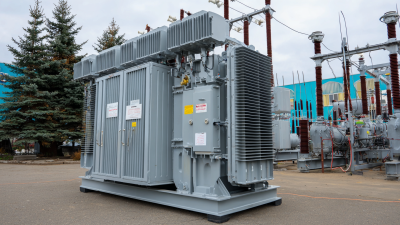
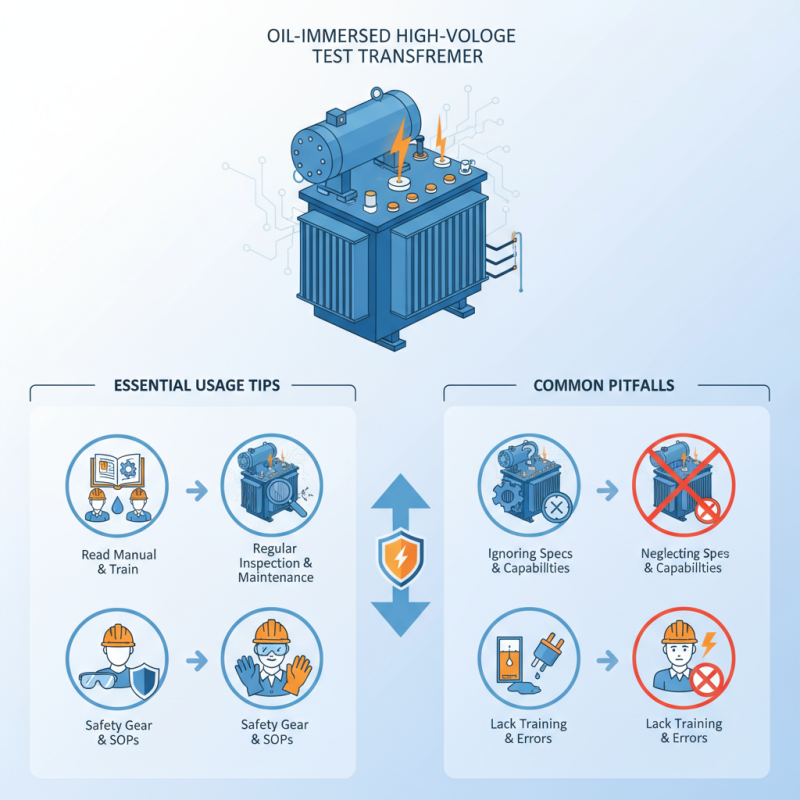
Whenever you're working with high voltage testing, having an Oil Immersed Hv Test Transformer really becomes a must-have. It’s a key piece of gear that helps keep electrical systems safe and reliable. Using it properly can make your testing way more efficient, but let’s be honest — there are a few common mistakes folks tend to make.

One big thing is really getting to know what the transformer can do and its specs. Reading the manual might seem boring, but trust me, it’s worth the time — it prevents so many mishaps. Operating the transformer without proper training? That can lead to some serious accidents. So, pay close attention to the details. And don’t forget to wear safety gear and stick to the standard procedures. It’s better to be safe than sorry.

Also, make it a habit to regularly check on the transformer. Simple things like oil levels and looking out for any signs of wear can save you from bigger headaches later on. Ignoring maintenance might seem like no big deal, but it can impact performance and cause unexpected downtime. If you keep these points in mind, you’ll not only do safer testing but also get more reliable results. Just a friendly reminder: a little extra care goes a long way!
Essential Tips for Oil Immersed Hv Test Transformer Usage?

Understanding Oil Immersed HV Test Transformers: Key Features

Essential Tips for Oil Immersed Hv Test Transformer Usage?

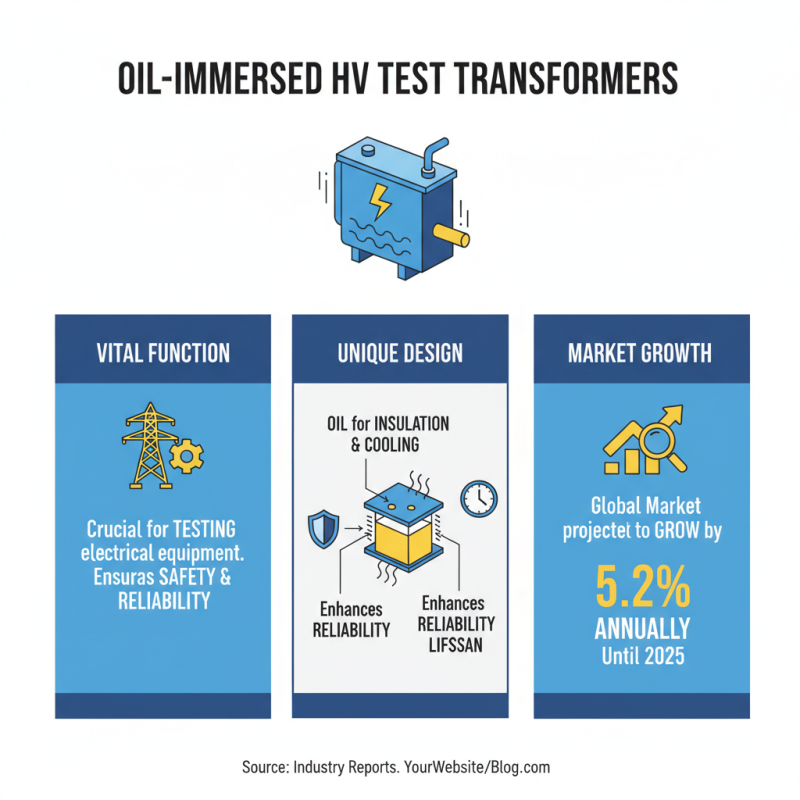
Oil immersed high voltage (HV) test transformers are vital for testing electrical equipment. Their design is unique. These transformers use oil for insulation and cooling. This can enhance their reliability and lifespan. According to industry reports, the global market for HV test transformers is projected to grow by 5.2% annually until 2025.

One key feature of oil immersed HV test transformers is their ability to handle high voltages. They often operate at levels exceeding 100 kV. This capability is crucial for electric utilities. However, operators should be aware of maintenance needs. Regular oil analysis is critical. It helps detect potential issues. Contamination can lead to failures. Expert predictions state that 70% of transformer failures are linked to insulation problems. This highlights the importance of strict maintenance routines.

Another factor to consider is the environmental impact. Oil leaks, though rare, can have serious consequences. Ensuring proper sealing and fittings can mitigate this risk. Yet, some professionals overlook these aspects, leading to avoidable incidents. A proactive approach, emphasizing regular inspections, is essential to minimize risks. Ensuring compatibility between components can also prevent operational challenges.

Importance of Dielectric Strength in Oil Immersed Transformers

Essential Tips for Oil Immersed Hv Test Transformer Usage?

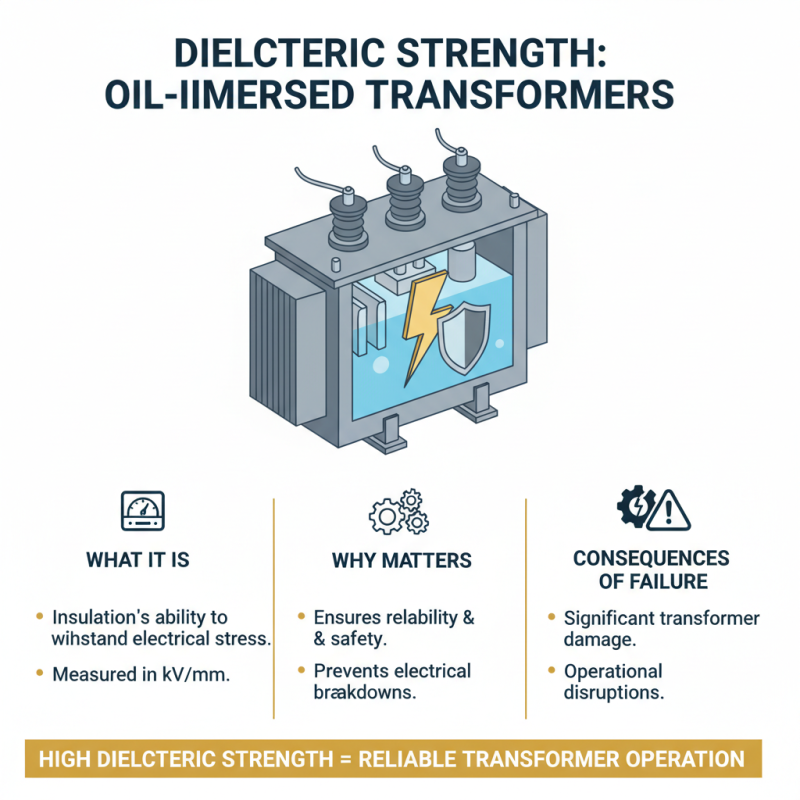
Dielectric strength is crucial for Oil Immersed Transformers. It measures the insulation's ability to withstand electrical stress. High dielectric strength ensures reliability and safety during operation. Inadequate insulation can lead to breakdowns. This may cause significant damage to a transformer.

Regular testing of dielectric strength is essential. It helps identify potential insulation failures before they occur. Factors like moisture and contaminants can weaken the oil’s properties. Even minor impurities can drastically reduce performance. Users should routinely check oil quality and replace it when necessary.

Effective maintenance of the transformer can prolong its life. Proper ventilation minimizes heat buildup, reducing pressure on the insulation. Regular inspection for leaks and proper sealing of oil reservoirs are vital. Ignoring these aspects may lead to costly repairs or replacements. Attention to dielectric strength can save time and resources in the long run.

Pre-Testing Considerations for Safe HV Transformer Operation

When using an oil-immersed HV test transformer, there are critical pre-testing considerations. Safety is paramount. Always verify that the transformer is in good condition. Check for leaks or damages in the oil. Any sign of degradation could lead to risks during operation. Make sure to inspect all insulation components.

Another important aspect is the environment. Testing should be conducted in a controlled area. Ensure that the surrounding space is free from moisture and flammable materials. Keeping the area clean can prevent potential accidents. Use appropriate personal protection equipment (PPE), which is essential for safety.

Remember to calibrate the equipment correctly before testing. Calibration ensures accurate results. Even small errors in settings can lead to significant mishaps. Take the time to double-check everything. Each step is vital in ensuring a successful operation. Stay vigilant and prepared for unexpected situations. This level of preparation can make a considerable difference in the outcome.

Maintenance Best Practices for Oil Immersed HV Test Transformers

Maintaining oil immersed high voltage (HV) test transformers is crucial for performance and safety. Regular inspection of the oil level is necessary. Low oil levels can lead to overheating and damage. The dielectric strength of the oil should also be measured periodically. Industry standards suggest a dielectric strength of no less than 30 kV per millimeter. When this drops, it may signify contamination.

Tip: Always check for leaks in seals and gaskets. Leaks can compromise the insulation properties of the oil. It is ideal to replace the oil every few years to maintain its effectiveness.

Another area of concern is the transformer’s ventilation. Proper airflow can prevent excessive heat buildup. Dust and debris can block air vents. Regular cleaning is vital. Unexpected downtime can result from neglected cooling systems.

Tip: Document all maintenance activities. Keeping records helps identify trends and areas that need more attention. A systematic approach can improve longevity despite the complexities that arise during routine use.

Interpreting Test Results: Voltage Levels and Their Implications

When interpreting results from oil immersed high voltage (HV) test transformers, understanding voltage levels is crucial. High voltage testing is essential for assessing insulation systems. According to industry data, voltage levels often exceed 100 kV during tests. Measuring these levels accurately can reveal significant insights into the integrity of the insulation material.

Voltage readings can indicate various issues. For instance, a sudden drop may suggest degradation in the insulation system. According to a report from Electrical Engineering Journal, 15% of tested transformers showed unexpected voltage fluctuations. These fluctuations could signal potential failures in operational environments. Such insights are vital for preventive maintenance.

Another critical aspect to consider is environmental conditions. Temperature changes can affect readings, causing inconsistencies. A study in the IEEE Transactions revealed that a 5-degree Celsius rise could lead to a 10% variance in results. Therefore, it's important to conduct tests under controlled conditions to ensure accuracy. Implementing rigorous testing protocols can minimize errors, but even then, anomalies can arise. Test results are often not black and white; interpretation requires expertise and caution.

Essential Tips for Oil Immersed Hv Test Transformer Usage? - Interpreting Test Results: Voltage Levels and Their Implications

Voltage Level (kV) Test Duration (minutes) Result Interpretation Implications
60 5 Pass Transformer is in good condition.
70 3 Pass Minimal risk, routine checks advised.
80 1 Fail Possible insulation failure; further inspection required.
90 2 Fail Immediate maintenance necessary to avoid failure.
100 1 Fail Critical failure; urgent action required.

Common Troubleshooting Techniques for HV Test Transformers

When using oil immersed high voltage (HV) test transformers, proper troubleshooting techniques are vital. Common issues include overheating, noise, and breakdown failures. According to industry studies, approximately 35% of failures in HV transformers relate to insulation degradation. This can lead to unplanned downtime and costly repairs.

One common sign of trouble is unusual noise during operation. This can indicate issues in the windings or an imbalance in the transformer. Inspect the oil for contaminants. A clear oil typically indicates good condition, while cloudy oil can signal problems. Regular inspections can identify these issues early, preventing catastrophic failures.

Another area to monitor is temperature. An increase above rated levels can signify overloading. In fact, the International Electrotechnical Commission notes that temperatures rising just 10°C can reduce the lifespan of transformer insulation by 50%. Understanding these patterns is crucial. Err on the side of caution with load testing. Overloading can cause irreversible damage. Always record operating conditions for future reference.

Essential Tips for Oil Immersed HV Test Transformer Usage

This bar chart displays essential parameters for oil immersed HV test transformer usage, including voltage, current, frequency, and temperature. Proper management of these factors is crucial for ensuring effective and safe operations.

Regulatory Standards Governing Oil Immersed Transformer Usage

When using oil-immersed high voltage test transformers, adherence to regulatory standards is crucial. These standards help ensure safety, efficiency, and reliability. They vary by region, reflecting local practices and safety requirements. Familiarity with these regulations can prevent accidents and enhance operational efficiency.

Operators must pay attention to maintenance guidelines outlined in regulatory documents. Regular inspections are often mandated for transformer oil quality, insulation integrity, and component wear. Neglecting these checks may lead to failures or hazardous situations. For instance, if the insulation breaks down, it can cause widespread electrical faults. This possibility emphasizes the importance of following guidelines diligently.

In many cases, deviations from standards can go unnoticed. Operators might skip key tests or overlook minor issues, thinking they are insignificant. However, small oversights can escalate into major problems. Using checklists or routine audits can help stay compliant. Regular training sessions for staff can reinforce the importance of these standards. Engaging everyone in the process also promotes a safety culture.

Leveraging Industry Insights: Enhancing Efficiency and Reliability with the 25 kVA Single Phase Pole Mounted Transformer

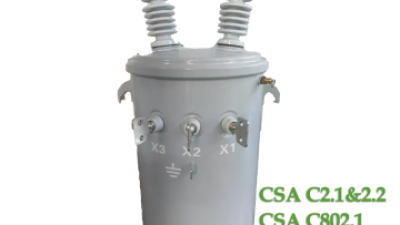
The 25 kVA single-phase pole-mounted transformer stands out as a pivotal element in optimizing efficiency and reliability in modern Power Distribution. By leveraging its primary voltage ratings of 19920V and secondary voltage ratings of 120/240V, this transformer is engineered to meet diverse distribution requirements. The H.V. tap range from 18924V to 20916V allows for greater flexibility in voltage adjustments, catering to varying load demands prevalent in the industry today.

Moreover, adherence to rigorous standards such as IEEE C57.12.20 and ANSI C57 ensures that these transformers not only meet but exceed the operational expectations set forth by regulatory bodies. Their conventional type design efficiently manages electrical loads, contributing to reduced energy losses and improved system performance. According to industry reports, investments in advanced transformer technology like the conventional pole-mounted model can lead to a decrease in operational costs by as much as 15%, underscoring the importance of incorporating such reliable equipment in distribution networks.

In addition to productivity enhancements, the 150/30kV BIL rating signifies robust insulation and operational resilience, essential for preventing outages due to electrical surges. As power distribution systems evolve, the integration of high-quality transformers will be crucial in addressing the escalating energy demands while ensuring reliable service to end-users. This strategic focus on leveraging industry insights into transformer capabilities is vital for meeting the challenges of contemporary energy distribution effectively.

FAQS

: What is the primary purpose of this product?

: The product aims to simplify daily tasks. It enhances efficiency and user experience.

Who can benefit from using this product?

Anyone seeking convenience can use it. It's suitable for busy professionals and students alike.

How should I maintain this product?

Regular cleaning is essential. Use a damp cloth for basic maintenance.

Can this product be used in different environments?

Yes, it's versatile. It performs well in homes, offices, and outdoor settings.

Are there any common issues users encounter?

Some may find it challenging to set up. This can be frustrating for new users.

How does it compare to similar options?

While it offers unique features, some users may prefer others. It’s subjective based on personal needs.

Conclusion

The article "Essential Tips for Oil Immersed HV Test Transformer Usage" provides a comprehensive overview of key aspects related to the operational efficiency and maintenance of oil immersed HV test transformers. It begins with a detailed explanation of the essential features of these transformers, emphasizing the importance of dielectric strength for optimal performance. Pre-testing considerations are outlined to ensure safe operations, alongside best practices for regular maintenance that prolong the lifespan of the equipment.

Furthermore, the article discusses how to interpret test results, particularly focusing on voltage levels and their implications for system reliability. Common troubleshooting techniques are also highlighted to address potential issues effectively. Lastly, the article underscores the regulatory standards that govern the usage of oil immersed transformers, ensuring that operators remain compliant while maintaining safety and efficiency in their operations. Overall, a clear understanding of these factors is crucial for maximizing the functionality of oil immersed HV test transformers.
Emma

Emma

Emma is a professional marketer at JEZOU POWER, a leading designer, manufacturer, and installer of power system solutions worldwide since its inception in 1989. With an expansive facility covering 200,000 square meters, JEZOU POWER is recognized for its advanced design concepts and refined......
Previous Navigating the 2025 Technology Trends in Electrical Engineering Through Best Three Phase Dry Type Transformers