Picking the right Pad Mounted Transformerisn’t exactly a walk in the park. There are so many little factors that can influence your choice, it can get pretty overwhelming. According to the U.S. Department of Energy, having a solid energy distribution system can cut costs by up to 30%, and, honestly, the Pad Mounted Transformer plays a pretty big role in that.
These transformers that sit on pads make distributing power way more efficient. In city settings especially, their compact size is a total game-changer because it saves space. The Electric Power Research Institute even points out that choosing the right transformer can boost reliability and help prevent outages—pretty important, right? But unfortunately, a lot of folks overlook some key specs, which ends up making things less efficient.
The thing is, understanding what you actually need is super important. Every project’s different, so what works for one might not work for another. If you pick a transformer that’s too small or too big, you'll end up losing energy or facing other issues. Industry pros always advise taking a close look at your load demands and environmental factors before making a call. With a bit of careful thought, you can save yourself headaches down the line. But honestly, it’s surprising how many people rush into these decisions without giving it enough thought, which can be a costly mistake.

Understanding Pad Mounted Transformers and Their Applications
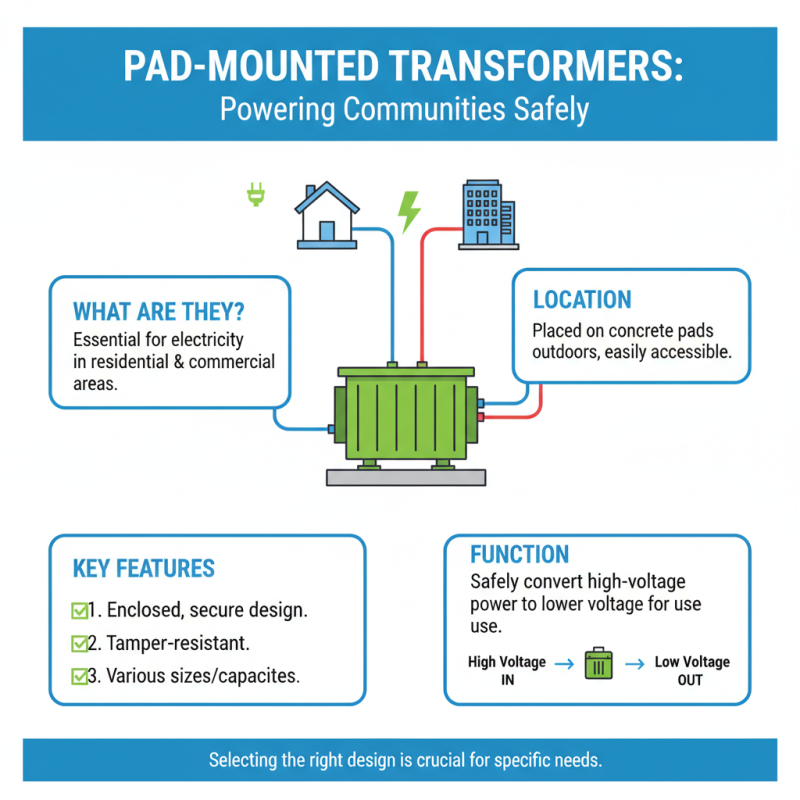
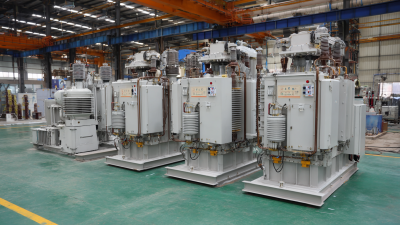
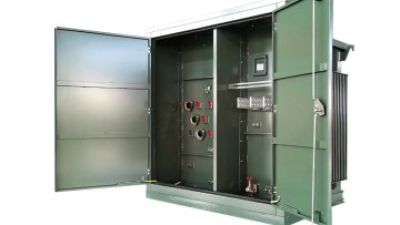
Pad mounted transformers are essential for distributing electricity safely in residential and commercial areas. They are typically placed on concrete pads outside buildings, making them easily accessible. Understanding their design is crucial for selecting the appropriate transformer for specific needs.
These transformers come in various sizes and specifications. For instance, the Zgs Pad-Mounted Transformer offers unique features suited for urban environments. You might need a transformer with higher capacity for larger buildings or a more compact unit for tight spaces. The selection process can be complex. Aligning technical requirements with physical constraints is necessary and sometimes overlooked.
It’s important to consider not just power needs but also maintenance and safety. Regular checks can reveal issues like oil leaks. These problems may arise from age or environmental factors. Balancing cost versus performance might lead to regrets later. Overall, understanding pad mounted transformers requires careful thought to ensure optimal functionality and reliability.
Key Considerations When Selecting a Pad Mounted Transformer
Choosing the right pad mounted transformer is essential for various applications. Several key considerations can guide your selection process. First, understand the load requirements. The transformer must handle peak loads effectively. Data from the Electric Power Research Institute suggests that underestimating load can lead to inefficiencies.
It's also important to consider the voltage levels. Ensure compatibility with your existing electrical systems. Transformers often come in different voltage configurations. Research indicates that mismatched voltages can cause equipment damage over time. Pay attention to the environment as well. Outdoor installations need weatherproof ratings to withstand elements.
Tip: Always check the efficiency rating. Look for transformers with lower losses. They save money in the long run.
Another factor is the physical dimensions and weight. Space limitations can impact your choice. Make sure you have a clear layout for installation. Many installations struggle with space management, leading to operational delays.
Tip: Consult with professionals for specific needs. Their insights can save you time and money. Transforming your electricity supply should be seamless, and getting expert advice often results in better decisions.
How to Choose the Right Pad Mounted Transformer for Your Needs?
| Consideration | Description | Importance Level |
| Power Rating | The transformer's capacity measured in kVA. Ensure it meets your power requirements. | High |
| Voltage Level | Input and output voltage ratings must match your system. | High |
| Type | Choose between single-phase and three-phase transformers based on your application. | Medium |
| Environment | Consider whether it will be used indoors or outdoors, affecting its durability requirements. | Medium |
| Cooling Method | Identify whether you need air-cooled or oil-cooled transformers based on your application environment. | Medium |
| Regulatory Compliance | Ensure the transformer meets local and national standards for safety and performance. | High |
| Budget | Analyze the total cost including purchase, installation, and maintenance. | High |
Sizing Your Pad Mounted Transformer for Efficiency and Performance
When sizing your pad mounted transformer, efficiency is paramount. A typical pad mounted transformer has a capacity ranging from 25 kVA to 5000 kVA. Proper sizing is crucial to avoid system inefficiencies. An undersized transformer can lead to overheating and failure. Conversely, an oversized transformer may result in higher operating costs.
The National Electrical Manufacturers Association (NEMA) indicates that transformers should operate at 50-80% of their capacity for optimal performance. For example, a 300 kVA transformer should ideally cater to a load between 150 kVA and 240 kVA. This allows for additional load growth while maintaining efficiency. In its report, the Department of Energy highlights that poorly sized transformers can waste up to 30% of energy.
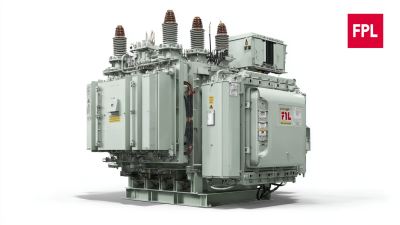
Consider the environment where the Fpl Pad Mounted Transformer will be installed. If the ambient temperature is higher, a larger transformer may be necessary. Ventilation and installation height also impact performance. Despite these guidelines, real-world applications often reveal unexpected challenges. Each installation carries nuances that might require adjustments after initial sizing decisions. Balancing these factors can lead to a more effective transformer system.
Evaluating Voltage and Phase Requirements for Your Transformer
When choosing a pad mounted transformer, voltage and phase requirements are crucial. Understanding your voltage needs can prevent mismatches and inefficiencies. For instance, residential areas often require 120/240V, while industrial settings may need higher voltages, like 480V or even 600V. Check the local grid specifications. It's vital to align your transformer with these to ensure optimal performance.
Considering phases is equally important. Single-Phase Transformers are often used in smaller applications, while three-phase transformers serve larger, industrial demands. Miscalculating this can lead to excessive heat and system failures. Take the time to assess the load requirements carefully. Mismatched phase systems may lead to uneven power distribution.
Installation sites also play a role in these evaluations. Factors like ambient temperature and access for maintenance can affect the transformer’s operational efficiency. Don’t ignore these details. A solid understanding of your requirements will guide you toward the best choice. Avoiding these considerations may lead to costly upgrades or replacements down the line.
Transformer Voltage and Phase Requirements
Assessing Environmental Factors and Installation Location
When selecting a pad mounted transformer, environmental factors play a crucial role. The location's climate can affect the transformer's performance. For example, areas with extreme temperatures might require additional cooling measures. Moisture levels also matter, especially in regions prone to flooding. Ensure the site has proper drainage to prevent water damage.
Consider the installation area carefully. Is it a busy urban environment or a quiet rural space? Urban locations may face electromagnetic interference. This interference can impact the transformer's efficiency. On the other hand, rural areas may have less regulated access to maintenance. Finding a balance between accessibility and environmental conditions is essential.
Look at potential obstacles around the installation site. Landscaping features, tall structures, or even nearby power lines can hinder access. These obstacles can complicate installation and future maintenance. It might be worth reflecting on how to mitigate these challenges now to avoid bigger issues later. Would alternative locations reduce these obstacles? Each element can significantly influence your choice of transformer. The right decisions now can set the stage for smooth operations in the future.
Comparing Different Types of Pad Mounted Transformers
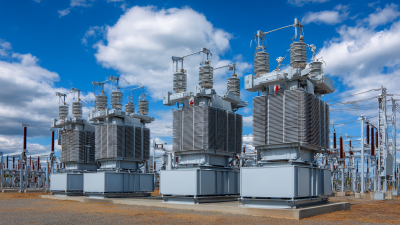
When comparing different types of pad mounted transformers, each type has its own set of advantages and limitations. For instance, the Doe Pad Mounted Transformer is known for its robust design and efficiency. It typically supports medium voltage applications, making it suitable for various commercial and industrial settings. These transformers are often preferred in urban areas where space is limited.
In terms of specifications, a recent industry report highlighted that pad mounted transformers can range from 25 kVA to 5000 kVA. The choice often depends on load requirements and site conditions. It's vital to assess the expected load and potential future demands. Some users overlook the significance of load forecasting, which can lead to inadequate capacity planning.
Not all pad mounted transformers are created equal. Some models may excel in durability but lack in energy efficiency. It’s essential to weigh features like thermal performance against cost. In different environments, maintenance needs can vary significantly. Users might be surprised by the long-term operational costs associated with neglecting regular inspections and upkeep.
Maintenance and Operational Guidelines for Longevity
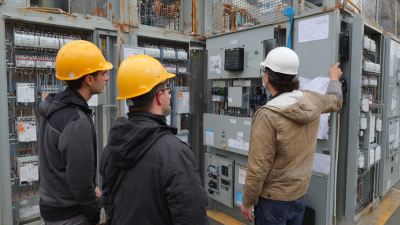
When selecting a pad mounted transformer, maintenance is key. Proper upkeep extends equipment life. According to industry reports, timely maintenance can reduce failures by up to 30%. Regular inspections and cleaning prevent dust accumulation and ensure optimal performance. It’s crucial to monitor connections for signs of overheating.
Tip: Always check oil levels. Low oil can impact cooling efficiency.
Operational guidelines also play a significant role. Ensure that the transformer is loaded correctly. Operating beyond specified limits can lead to premature failure. Industry studies indicate that overloading can reduce transformer life by 50%.
Tip: Schedule routine thermal imaging. This proactive measure detects hot spots early, preventing costly repairs.
Remember, not all conditions are ideal. Environment matters. High humidity or extreme temperatures can affect performance. Consider your location's climate when selecting a U L Pad Mounted Transformer. Reflecting on these factors can save you time and costs in the long run.
Comprehensive Guide to 2500kVA Three Phase Pad Mounted Transformers: Features, Benefits, and Applications
The 2500kVA three-phase pad-mounted transformers are essential for various applications due to their robust features and benefits. Designed with primary voltage ratings ranging from 34.5 to 7.2 kV and secondary voltage ratings including 208GrdY/120 and 600GrdY/347, these transformers effectively cater to diverse operational requirements. The high-voltage tap range of ±2×2.5% provides flexibility for voltage adjustments, making them suitable for various environments and conditions. Additionally, the connection types like Dyn11 and YNyn0 ensure compatibility with existing systems, promoting ease of integration.
These transformers comply with rigorous standards set by IEEE, CSA, and DOE, ensuring reliability and safety across industries. They are adept at supporting applications such as Battery Energy Storage Systems (BESS), renewable energy projects including wind and solar, and emerging markets like electric vehicle charging and cryptocurrency mining. With power ratings available at 2500 kVA and up to 2.5 MVA, these transformers deliver exceptional performance, backed by certifications including UL and cUL. Their design not only enhances operational efficiency but also contributes to sustainable energy solutions, making them a vital component in modern electrical infrastructure.
FAQS
: The service aims to enhance user experience through personalized features and efficient functionality.
Users can share feedback via the designated feedback form available on the platform.
Users need to be at least 13 years old to register for an account.
Users can contact support through the help center if they encounter issues or bugs.
Yes, users can modify their account settings from the profile section anytime.
Users can reset their password using the password recovery option on the login page.
The service implements standard security measures to protect user data, but risks remain.
Basic features are usually free, but some advanced options may require payment.
Inactive accounts may be removed after a period of inactivity, typically one year.
If users disagree with the terms, it's best to explore other options outside the service.
Conclusion
When selecting a Pad Mounted Transformer, it's essential to understand its applications and the key factors that influence the decision-making process. This involves evaluating sizing requirements for efficiency and performance, as well as assessing voltage and phase specifications to ensure compatibility with your electrical system. Environmental factors and the installation location also play a critical role in ensuring the longevity and reliability of the transformer.
Additionally, comparing different types of Pad Mounted Transformers can help in identifying the best fit for specific needs. Regular maintenance and adherence to operational guidelines are crucial for maximizing the lifespan and performance of the transformer. By carefully considering these aspects, you can make an informed choice that meets your specific requirements and ensures efficient power distribution.

 +86 18068001229
  Contact Phone
 Contact Email