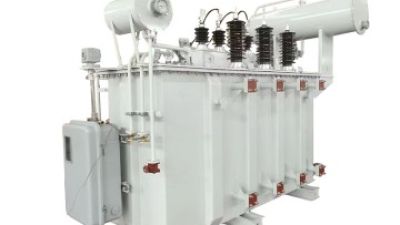
Choosing the right Dry-Type Transformerreally matters across different industries. I mean, did you know that, according to MarketsandMarkets, the global market for these transformers is expected to hit around $9.09 billion by 2025? That’s pretty wild and shows just how much we’re relying on them for Power Distribution these days.
Honestly, picking the perfect transformer isn't exactly a walk in the park. There are so many things to think about—efficiency, size, environmental factors—it can all get kinda overwhelming. Like, humidity and temperature can really mess with how well a transformer works. And if you pick the wrong one? Well, that could lead to failures that throw everything off course.
It's super important to really understand what your specific needs are. It might be worth chatting with industry pros, such as folks at Siemens or ABB—they usually have some pretty solid advice and can help you catch stuff you might overlook just looking at the specs. The thing is, a Dry-Type Transformer has to match your application perfectly, or you might find yourself faced with costly mistakes. So, making sure it fits your operational needs is key to actually getting things done smoothly.
Understanding Dry-Type Transformers and Their Applications
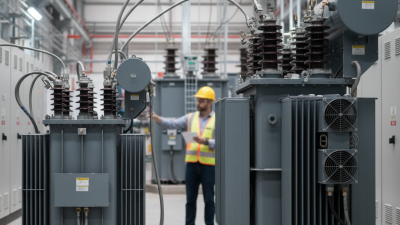
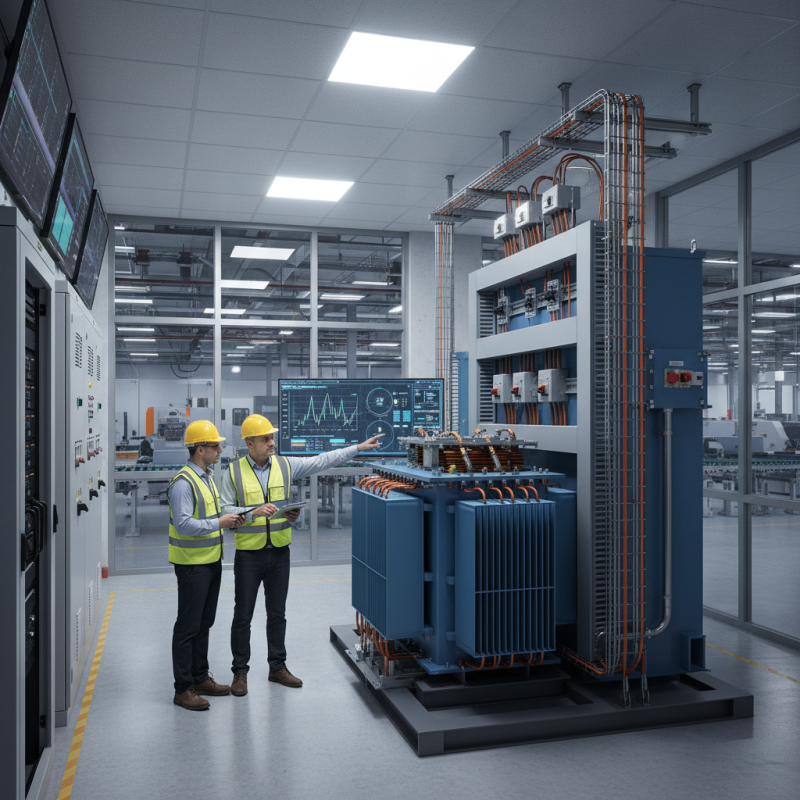
When it comes to dry-type transformers, understanding their applications is crucial. A dry-type transformer operates without liquid insulation, making it suitable for various environments. They are often used in commercial buildings and industrial settings where safety and environmental concerns are paramount. The absence of flammable liquids reduces the risk of fire incidents.
Choosing the right dry-type transformer involves careful consideration of your specific requirements. For example, a Dry Type Transformer 3000va is ideal for medium-sized applications. It provides reliable performance while minimizing maintenance needs. Assess your electrical load and voltage requirements before selecting a transformer. Ensure it meets the power demands of your equipment and systems.
**Tips:** Always check the ambient temperature where the transformer will be installed. High temperatures can decrease efficiency. Also, consider the noise level. Some transformers are quieter than others, which can be important in noise-sensitive environments. This is often overlooked, but it can impact workplace comfort.
Key Factors to Consider When Choosing a Dry-Type Transformer
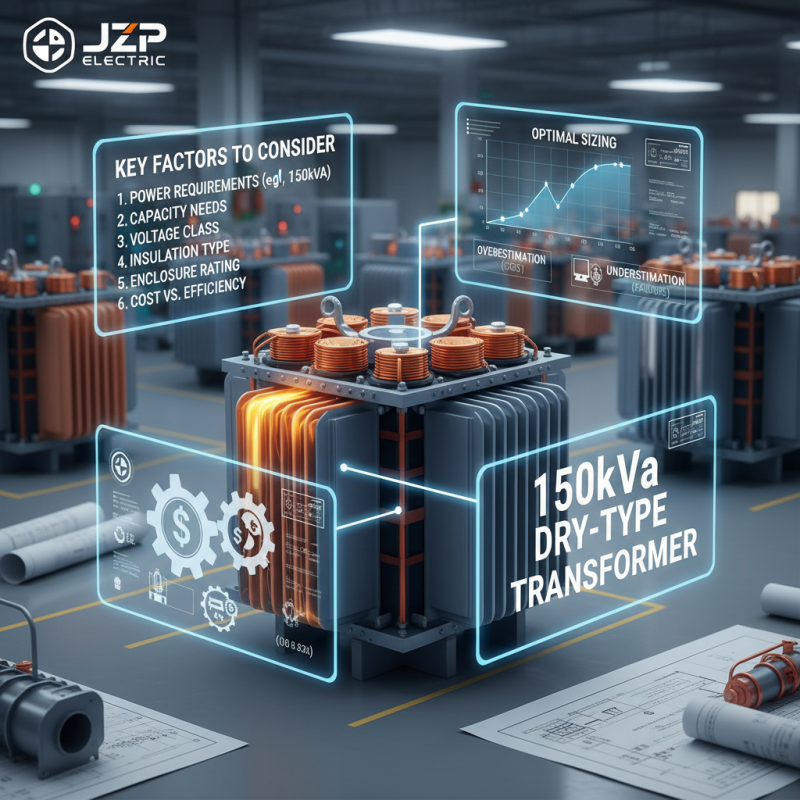
When selecting a dry-type transformer, it’s crucial to consider several key factors. First, determine your power requirements. For example, a 150kva Dry Type Transformer is suitable for various applications. Analyzing your capacity needs will ensure you choose an appropriate size. Overestimating can lead to unnecessary expenses, while underestimating can cause equipment failures.
Next, consider the environment where the transformer will be installed. Dry-type transformers are ideal for indoor use, particularly in areas with limited ventilation. However, if you place one outdoors, ensure it has suitable weather protection. Heat dissipation is another important factor. Check the ambient temperature in your location. A transformer too close to high heat sources may perform poorly and need frequent maintenance.
Another point to remember is the transformer's efficiency. While dry-type transformers generally have lower losses, each model varies. It’s vital to evaluate the efficiency ratings. Look for transformers with good performance under your specific conditions. Manufacturers often provide data. Be cautious of claims that sound too good to be true. Research and seek expert advice if needed.
Evaluating Power Ratings and Load Requirements for Your Application
When evaluating power ratings for dry-type transformers, start by assessing your load requirements. A transformer’s capacity is typically measured in kilovolt-amperes (kVA). According to the IEEE standards, selecting the right transformer requires an understanding of both the maximum load and the expected future growth. If your current requirements are 100 kVA, consider a transformer that can handle 125-150 kVA. This will provide a buffer for unexpected surges or additional capacity needs.
It's also crucial to analyze the load characteristics. A constant load differs significantly from a variable load. Variable loads can lead to overheating if the transformer is not appropriately rated. Studies show that improper load management can reduce the lifespan of a transformer by up to 30%. Careful monitoring is key here. Determine the starting current for inductive loads, which can exceed the nominal ratings.
Finally, investigate environmental factors that can impact the performance of your transformer. Ambient temperature and installation conditions play a vital role. For instance, a unit rated for 40°C may not function effectively in a consistently hotter environment. The installation site should be considered during the selection process, as it can affect efficiency and reliability.
Assessing Environmental Conditions and Cooling Options
When choosing a dry-type transformer, understanding environmental conditions is crucial. Consider the location of the transformer. Is it indoors or outdoors? Is it exposed to dust, humidity, or extreme temperatures? Assessing these factors ensures optimal performance and longevity.
Cooling options also play a key role. Dry-type transformers primarily rely on air cooling. However, factors such as high ambient temperatures or limited airflow can affect performance. Enhancing airflow is essential. Use fans or install the transformer in a well-ventilated area. Proper cooling methods will minimize overheating risks.
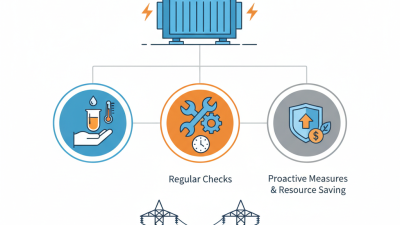
**Tips:** Ensure adequate space around the transformer. This aids airflow. Regular maintenance checks can prevent unexpected failures. Remember, even minor issues can escalate if not addressed in time. It’s worth examining cooling solutions periodically. Not all environments are the same, and conditions can change. Reassessing your setup will help maintain efficiency.
Dry-Type Transformer Environmental Conditions and Cooling Options
Analyzing Efficiency and Losses in Dry-Type Transformers
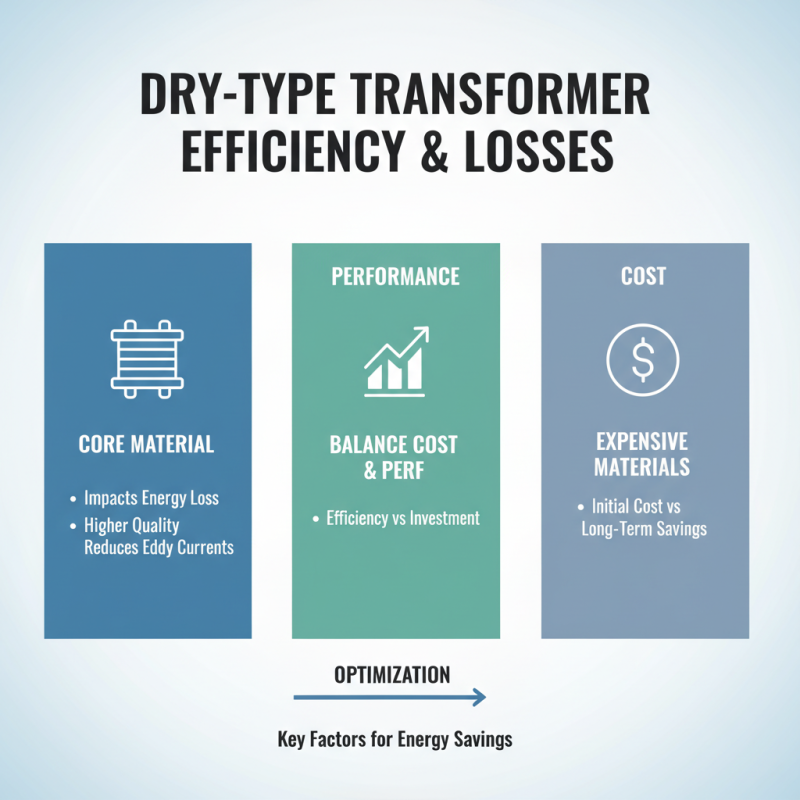
When analyzing the efficiency and losses in dry-type transformers, several factors come into play. The core material impacts energy loss. Higher quality materials reduce eddy currents. However, they can be more expensive. It’s crucial to balance cost with performance.
Temperature rises can also affect transformer efficiency. A rise in temperature typically leads to increased losses. Inefficiencies can manifest as heat, which is wasteful. Regular monitoring of operating temperatures can help recognize these issues early.
Another key consideration is load requirements. Transforming the load effectively can minimize losses. Proper sizing and usage ensure that the transformer operates within its optimal range. If not, it can lead to unexpected inefficiencies. Maintaining an accurate load profile will provide insights into potential losses. Evaluation of these aspects is essential for maximizing transformer performance.
Reviewing Safety Standards and Compliance for Transformers
When selecting a dry-type transformer, safety standards are critical. Operating a 1500kVA dry-type transformer requires compliance with ANSI, IEEE, and NEMA standards. These organizations outline essential safety protocols. Proper grounding is vital, reducing electrical hazards. Insulation materials should meet UL regulations to ensure reliability.
In recent studies, up to 30% of transformer failures are linked to inadequate safety measures. Faulty installations can lead to overheating and equipment damage. Transformer health can degrade over time, especially without routine inspections. Industry reports emphasize that regular maintenance can reduce failure rates significantly.
Awareness of safety ratings helps in decision-making. Factors like fire rating and environmental resilience affect transformer selection. Some transformers are rated for outdoor use, while others are not. Choosing the wrong type can compromise safety and lead to massive financial losses. Understanding these nuances is essential for effective transformer application and longevity.
Identifying Reputable Suppliers and Manufacturers for Purchase
When choosing a dry-type transformer, it's crucial to find reputable suppliers. Start by researching local distributors and manufacturers. Look for companies with a solid reputation in the industry. Reviews from previous customers can provide valuable insight. Reach out to industry forums or social media groups for recommendations.
Assess the experience of potential suppliers. Companies that have been in the market for years often have reliable products. Ensure they offer the specific type you need, such as a 500 Kva Dry Type Transformer. Inquire about their quality assurance processes. Certifications and compliance with safety standards are essential.
It’s also wise to visit the supplier’s facility, if possible. Observing their operations can reveal much about their reliability. Discuss your project requirements in detail. This can help you gauge their expertise and willingness to assist. Sometimes, suppliers may not have all the answers. Be prepared to ask tough questions and seek clarity. Your choice could significantly impact your project, so don’t rush this decision.
Optimizing Industrial Power Supply with the 35MVA 115kV 3 Phase Power Transformer: Key Features and Benefits
The 35MVA 115kV 3 Phase Power Transformer stands out as a pivotal component in optimizing industrial power supply systems, particularly in the realm of new energy applications. With primary voltage ratings of 115kV and secondary voltage ratings of 13.8kV, this transformer ensures efficient voltage transformation while accommodating significant load demands. Its robust design allows for a high voltage tap range of ±8 × 0.625%, enabling flexibility and adaptability to varying grid conditions, which is crucial for the stability and resilience of industrial power systems.
Additionally, the transformer incorporates an on-load tap changer, enhancing its capability to maintain optimal voltage levels under fluctuating loads. The insulation levels are well within industry standards, with BIL ratings of 450/110kV, ensuring reliable operation even under extreme conditions. With a power rating spectrum offering 20,500kVA to 35,000kVA, it is tailored to meet diverse industrial needs. The various cooling methods, including ONAN/ONAF, contribute to its efficiency and longevity, making it a dependable choice for facilities aiming to streamline power supply and enhance overall performance without compromising safety or reliability.
FAQS
: A dry-type transformer operates without liquid insulation. It’s safe for various environments.
These transformers are often used in commercial and industrial settings due to safety concerns.
Assess your specific requirements, including electrical load and voltage needs, before selection.
A transformer’s capacity is measured in kilovolt-amperes (kVA). Evaluate your maximum load for proper selection.
Improper ratings can reduce lifespan by up to 30%. Monitoring load management is crucial.
High ambient temperatures can decrease efficiency. Choose a transformer rated for your installation conditions.
Research local distributors and check reviews. Experience and quality assurance processes are key factors.
Yes, discussing your requirements can reveal their expertise. Don’t hesitate to seek clarity on products.
Visiting can provide insight into their reliability and operational standards. It’s a good idea if possible.
Be prepared for that scenario. You may need to explore alternatives or ask for more information.
Conclusion
Choosing the right dry-type transformer is crucial for ensuring optimal performance and reliability in various applications. Understanding the fundamental characteristics and applications of dry-type transformers is the first step in the selection process. Key factors to consider include power ratings, load requirements, environmental conditions, and cooling options that can significantly impact efficiency and operational costs.
Additionally, it's essential to evaluate the efficiency and losses associated with different dry-type transformers, ensuring they meet performance standards while adhering to safety regulations. Identifying reputable suppliers and manufacturers is critical for securing a high-quality transformer that aligns with your specific needs. By considering these aspects, you can make an informed decision that enhances your system's overall performance and compliance.

 +86 18068001229
  Contact Phone
 Contact Email