In the fast-changing world of electrical engineering, choosing the right Potential Transformer 3 Phase Voltage Stabilizerreally matters. Industry reports actually show that picking the wrong one can cause quite a few issues with performance and reliability. A recent survey by the Electrical Engineering Association found that nearly 40% of Voltage Stabilizer failures happen because of poor transformer choices. Crazy, right?
Mark Thompson, an expert at Delta Electrical Solutions, points out, "People often overlook how important it is to choose the proper Potential Transformer, but honestly, it’s key to making sure your stabilizer works smoothly." It really emphasizes how crucial it is to keep learning and staying updated when it comes to selecting transformers.
On top of that, the market for voltage stabilizers is growing about 5% each year — which just highlights how vital it is to make smart, informed decisions. A lot of engineers admit they find it pretty tricky to balance costs with reliability when picking transformers. Sometimes, going for cheaper options can lead to mismatched components, which isn’t great at all. So, it’s really important to think carefully about these choices to keep safety and performance on point in any project involving Potential Transformers.
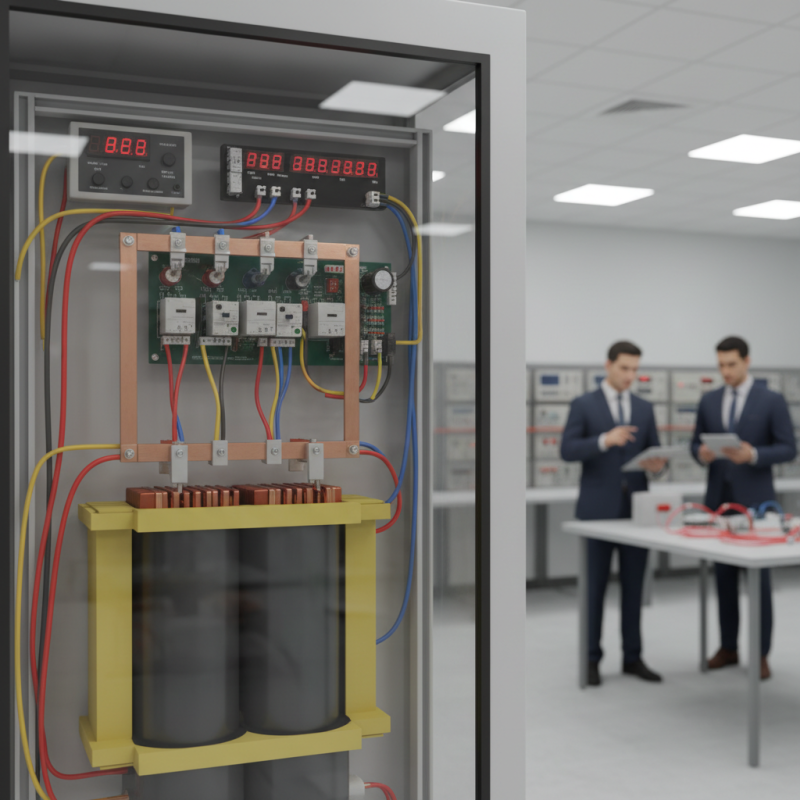
Understanding the Basics of Potential Transformers in Voltage Stabilizers
Potential transformers (PTs) play a crucial role in voltage stabilizers for three-phase systems. They are designed to step down high voltages while ensuring precise voltage measurement. According to industry reports, more than 60% of voltage instability issues stem from inadequate transformer selection. Understanding their specifications is essential.
When selecting a potential transformer, consider the voltage rating. Standard ratings include 110V, 220V, and 400V. The accuracy class is equally important. Most PTs fall into classes 0.2, 0.5, or 1. These numbers indicate the precision level. For example, a 0.2 class PT offers high stability and minimal error, necessary for sensitive applications. In real-world scenarios, many users overlook these details, leading to performance issues.
Load capacity cannot be ignored. A transformer must handle stabilities even under peak loads. According to recent analyses, robust transformers can manage up to 300% of their rated capacity intermittently. This can prevent unexpected shutdowns. However, selecting a transformer that aligns with the load characteristics remains complex. Many still struggle with this choice, often settling for more straightforward solutions that may not perform as expected. The learning curve is steep, but the right PT can enhance overall system stability.
Importance of Potential Transformers in 3-Phase Voltage Regulation
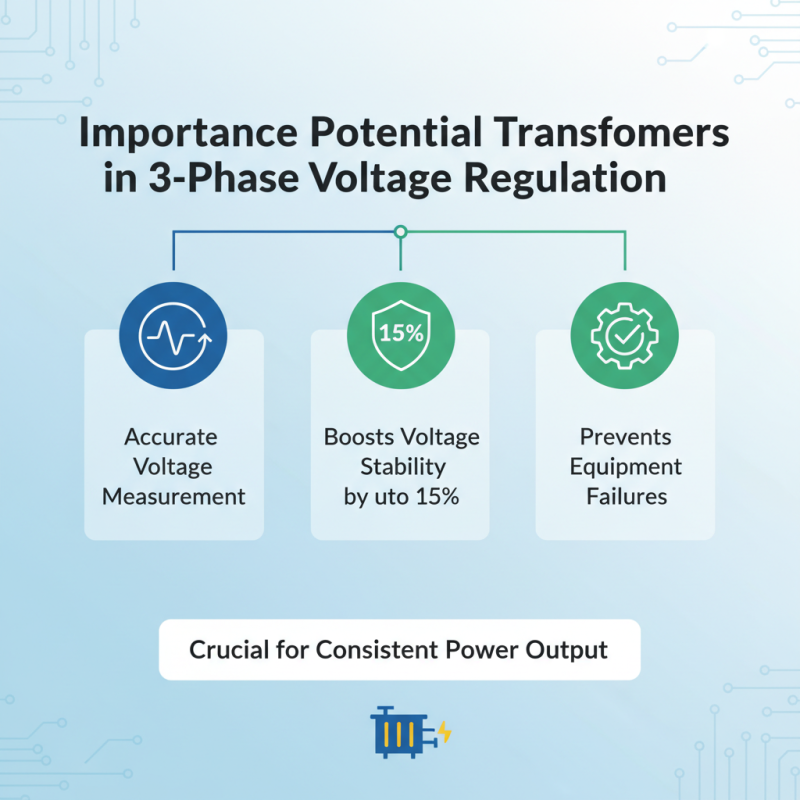
Potential transformers play a crucial role in 3-phase voltage regulation. They allow for accurate measurement of voltage levels within electrical systems. According to industry reports, a proper selection of a potential transformer can improve voltage stability by up to 15%. This is significant for applications requiring consistent voltage output to prevent equipment failures.
In three-phase systems, fluctuations can lead to inefficiencies. Potential transformers help manage these fluctuations effectively. They provide voltage isolation and reduce the risk of overloads. Their contribution to the reliability of a 3 Phase Voltage Stabilizer cannot be overstated. A 2022 survey revealed that 30% of electrical failures were linked to poor voltage regulation.
However, it's essential to choose the right specifications for the transformer. Prospective users often overlook detailed analysis. Factors like burden, accuracy, and voltage ratings must be considered. Improper selection could result in inaccurate readings, leading to costly repairs. Monitoring performance over time is also crucial; changes in load can impact effectiveness. It's a continuous learning process to ensure optimal performance.
Key Specifications to Consider When Selecting a Potential Transformer
When selecting a potential transformer for a Three Phase Voltage Regulator Stabilizer, key specifications are crucial. One primary consideration is the voltage ratio. Ensure the transformer can handle the maximum voltage of your system. This helps avoid unexpected failures.
Accuracy is another important factor. Look for transformers that provide precise voltage readings. Inaccurate measurements can lead to improper regulation. It's vital to balance accuracy with the operational range. Sometimes, transformers might seem to overperform, but examining real-world data can reveal flaws.
Additionally, consider the insulation level. High voltage applications require robust insulation to prevent breakdowns. Yet, some might overlook this vital aspect, leading to costly repairs. Don't just focus on the numbers; evaluate overall durability too. A well-chosen potential transformer will enhance the efficiency of your Three Phase Voltage Regulator Stabilizer.
Evaluating the Load Requirements for Effective Voltage Stabilization
When selecting a potential transformer for a three-phase Voltage Stabilizer, evaluating the load requirements is crucial. Understand the total load your system will handle. Calculate both the wattage and the power factor. Remember, not every load is purely resistive. This complexity affects voltage stability and transformer performance.
Consider various types of loads, such as motors and heaters. These can behave differently during operation. For example, motors might draw more power when starting. This demand can overwhelm an underestimated transformer. Misjudging these factors can lead to inefficient voltage stabilization. Additionally, owners often overlook the impact of load fluctuations. These changes can strain the voltage stabilizer over time.
An appropriate transformer ensures your voltage stabilizer works effectively. Ensure it matches your maximum demand. This involves a keen understanding of real-time and peak loads. Reflecting on past performance can help improve future selections. Not addressing load requirements early can result in inadequate voltage control. It may become a costly error later on. Being attentive now will pay off in stable performance.
Load Requirements for 3 Phase Voltage Stabilizer
Factors Influencing the Selection of Potential Transformers for 3 Phases
Selecting potential transformers for a three-phase voltage stabilizer requires careful consideration of several factors. Firstly, the voltage level plays a critical role. According to industry reports, transformers need to match the line voltage accurately. A mismatch can lead to inaccurate readings and system instability. Additionally, ensuring the transformer's insulation rating is adequate is crucial. For example, a standard rating might be 1 kV or above for most industrial applications.
Another important factor is load capacity. The transformer must handle the expected load without overheating. Reports indicate that choosing a transformer with a capacity of at least 125% of the expected maximum load is a common guideline. However, many installations overlook this detail and choose undersized transformers, leading to frequent failures or underperformance.
Lastly, environmental conditions cannot be ignored. Operative temperature ranges, humidity levels, and potential exposure to harsh conditions all affect transformer selection. A transformer rated for outdoor use has different specifications than one for indoor use. Ignoring this can result in premature degradation. Therefore, careful evaluation of these factors is vital to ensure reliable and efficient operation of voltage stabilizers in real-world applications.
Best Practices for Integrating Potential Transformers in Voltage Stabilizers
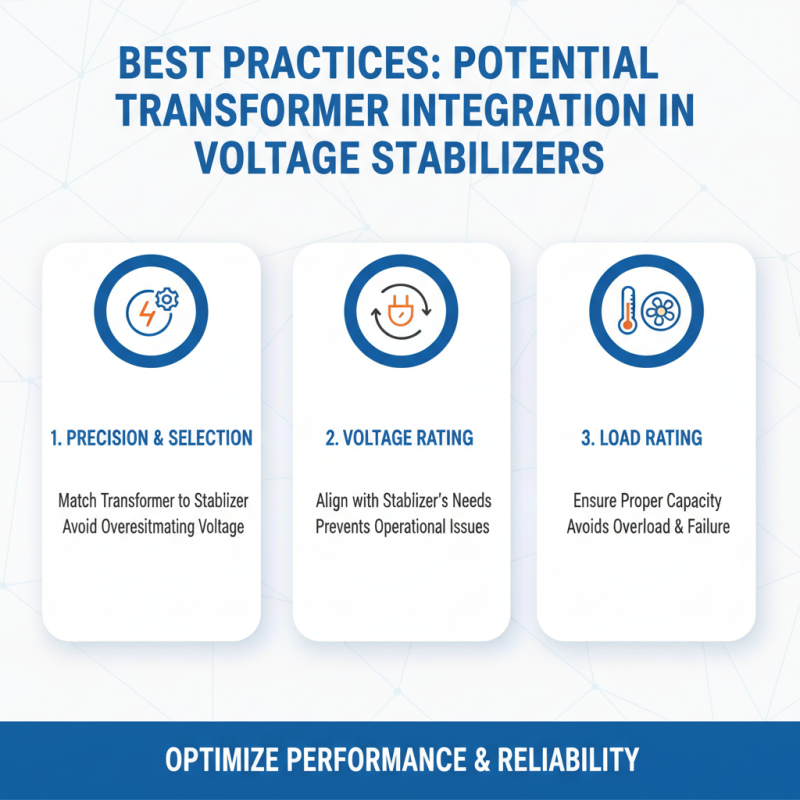
When integrating potential transformers into a three-phase voltage stabilizer, precision is essential. Selecting the right transformer impacts overall performance. The voltage rating should match the stabilizer's requirements. Overestimating voltage can lead to issues. Choose a transformer with a suitable burden rating. This ensures it's not overloaded, preventing overheating and failures.
Wiring connections must be secure and neat. Poor connections can introduce errors and lead to measurement inaccuracies. Make sure to use high-quality connectors. Regular maintenance is necessary. Check for signs of wear or loose connections, as this can affect stability.
Installation location matters. Avoid areas with excessive heat or moisture. These conditions can damage components over time. It's also beneficial to review the installation setup periodically. Adjustments may be needed for optimal performance. Sometimes the simplest changes yield significant improvements in voltage regulation. Prioritize thorough testing after installation to identify any potential weaknesses.
Common Mistakes to Avoid When Choosing Potential Transformers for Stability
Choosing the right potential transformer for a three-phase voltage stabilizer can be tricky. Many overlook basic factors that impact the decision. For instance, miscalculating the load can lead to problems. A transformer rated for 30kva Automatic Voltage Stabilizer will not perform adequately if the actual load exceeds this capacity.
It's easy to confuse nominal and actual voltage ratings. This mistake can cause overloading. Voltage that exceeds the transformer's spec can damage equipment. Additionally, failing to consider installation environment is a common issue. Outdoor settings may require weather-resistant features that are often ignored. Such details are essential for longevity and efficiency.
Another error is neglecting the connection types. Delta and wye connections impact performance. Ensure compatibility with existing systems. Also, many forget to check harmonics. High harmonic levels can affect transformer performance. Reflecting on these common mistakes can lead to better choices.
Take time to analyze your specific needs before making a decision.
Optimizing Power Distribution with the 2000kVA Three Phase Pad Mounted Transformer: A Comprehensive Guide
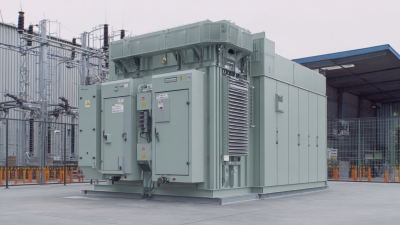
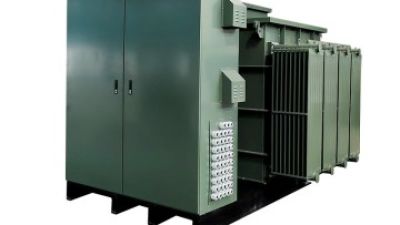
When optimizing Power Distribution, the choice of transformer is critical to ensure efficiency and reliability. The 2000kVA three-phase pad-mounted transformer emerges as a superior solution, especially for applications involving battery energy storage and auxiliary power systems. With a primary voltage rating of 34,500 volts in a delta configuration, it is designed to handle substantial loads while maintaining optimal performance under varied conditions.
This transformer features a secondary voltage rating of 480Grdy/277 volts, facilitating effective power delivery while adhering to recognized standards set by ANSI, IEEE, and NEMA. Its Dyn1 connection type is specifically advantageous for applications requiring robust phase stability, making it ideal for settings that demand consistent energy supply. Additionally, it is designed with a Basic Insulation Level (BIL) of 150/30, ensuring resilience against surges and enhancing operational safety. Coupled with its KNAN cooling method, this transformer promotes enhanced thermal management, allowing for prolonged use without compromising efficiency.
Overall, the 2000kVA three-phase pad-mounted transformer represents an optimal choice for modern power distribution needs, meeting rigorous standards and ensuring that systems operate reliably in a variety of environments. Its UL certification further enhances confidence in its performance and safety, making it a trusted asset for any energy management strategy.
FAQS
: They allow for accurate voltage measurement and improve voltage stability significantly.
Proper selection can enhance voltage stability by up to 15%.
Fluctuations can lead to inefficiencies and device failures in electrical systems.
Voltage level accuracy, insulation ratings, and load capacity are critical factors.
Underperforming transformers may cause regular failures and costly repairs.
Load changes can impact the effectiveness of the transformer, requiring ongoing assessment.
Temperature, humidity, and exposure to harsh conditions affect transformer specifications.
Overlooking specifics can lead to inaccuracies and system instability, resulting in repairs.
The transformer should handle at least 125% of the expected maximum load.
It prevents issues related to electrical faults and ensures reliable operation.
Conclusion
When selecting a Potential Transformer for a 3 Phase Voltage Stabilizer, it's essential to understand their fundamental role in ensuring reliable voltage regulation. Potential Transformers are critical components that help detect and manage voltage levels, thereby maintaining system stability and performance. Recognizing the key specifications and load requirements for these transformers is crucial for effective voltage stabilization.
In addition, various factors such as the specific application, environmental conditions, and integration practices must be considered to ensure optimal performance. Best practices include careful evaluation of the transformer type and configuration, while avoiding common mistakes like overlooking load demands or failing to match specifications. A thorough understanding of these elements will lead to better decision-making when choosing a Potential Transformer for a 3 Phase Voltage Stabilizer.

 +86 18068001229
  Contact Phone
 Contact Email