Leave Your Message
0%

Picking out the right Copper Winding Transformer can honestly feel pretty overwhelming sometimes. I mean, with so many options out there, how do you even know you're making the right choice? John Smith, who's a real expert in electrical engineering over at TechWinds Inc., puts it bluntly: "Choosing the right transformer is key if you want efficiency and it to last." His point really hits home—it’s all about understanding what you actually need before you buy.

When you're trying to decide on a transformer, a bunch of things come into play. Things like voltage requirements, how much load it'll need to handle, and the environment where it'll be used all matter a lot. Miss something here, and you could end up with inefficiencies or even worse—damage. For example, if your voltage rating isn’t quite right, you might see your system running poorly or in some cases, getting damaged. And don’t forget, underestimating how much load it’ll need to handle is a common mistake—this can cause overheating or the thing just failing after a while.

Honestly, it’s worth taking some time to think about all these factors. Sure, price is tempting to focus on, but trust me, quality and reliability are way more important in the long run. A cheaper transformer might seem like a good deal upfront, but it could end up costing you more later on with repairs or replacements. At the end of the day, picking the right Copper Winding Transformer isn’t something you want to rush. It’s all about weighing your options carefully and making sure you’re getting something that really fits your needs.

How to Choose the Right Copper Winding Transformer for Your Needs?

Understanding Copper Winding Transformers and Their Applications

How to Choose the Right Copper Winding Transformer for Your Needs?

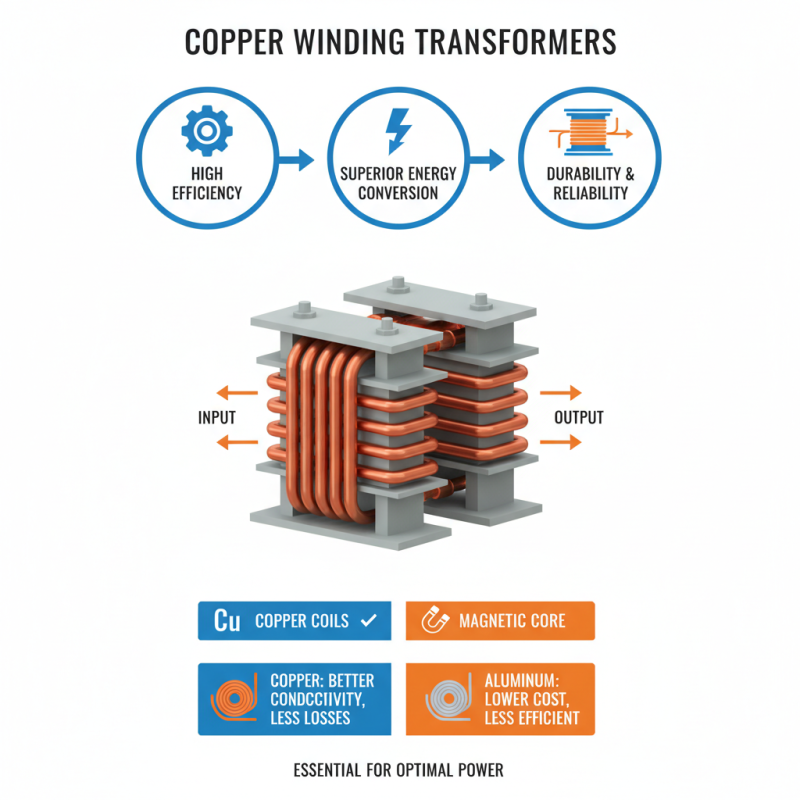
Copper Winding Transformers are essential in various applications. They convert electrical energy more efficiently than their aluminum counterparts. Understanding their structure helps in choosing the right one. These transformers consist of copper wire coils wrapped around a magnetic core. The design can influence performance significantly.

In Power Distribution, copper winding transformers ensure minimal energy loss. They are used in industries, entertainment, and renewable energy systems. For example, wind turbines often rely on these transformers to optimize energy transfer. However, not every copper transformer is suitable for all tasks. Evaluating factors like voltage requirements and load capacity is crucial.

Choosing the wrong transformer can lead to inefficiencies. Overheating and increased operational costs can occur if specifications are overlooked. Not all projects require high-capacity transformers. Sometimes, a smaller, more efficient option is better. Reflect on your needs carefully to avoid common pitfalls.

Key Factors to Consider When Selecting a Copper Winding Transformer

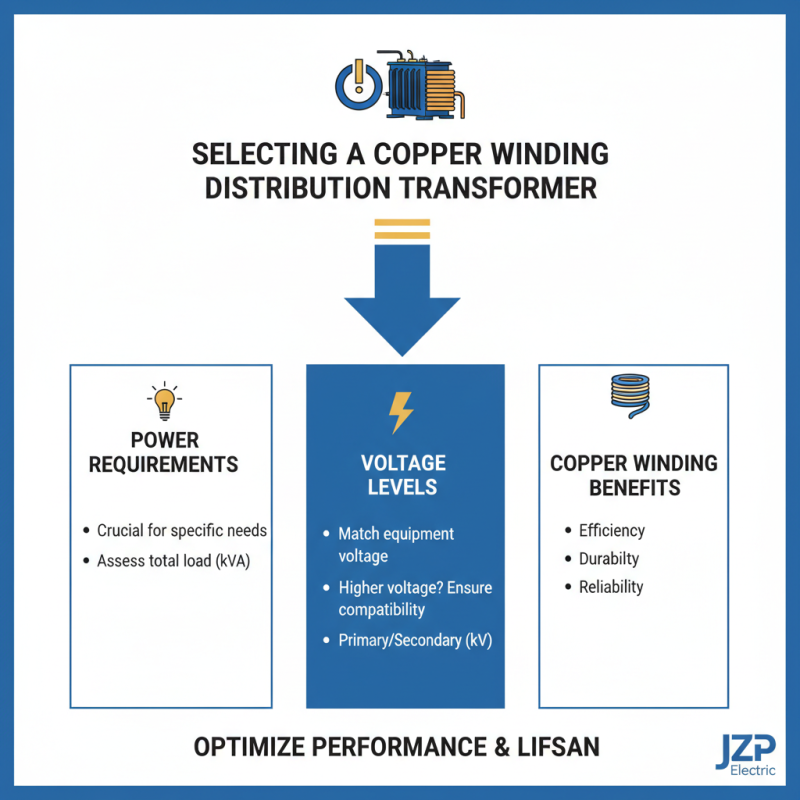
When selecting a copper winding transformer, several key factors come into play. Understand your power requirements first. Different applications demand varying power levels. A deeper understanding of your system ensures you choose correctly. Consider the voltage ratings as well. Ensure your selected transformer aligns with your electrical system's specifications. Misalignment can lead to efficiency and safety issues.

Tip: Examine the transformer’s efficiency rating. Higher efficiency translates to lower energy costs. Sometimes, a transformer may seem cheaper upfront, but inefficient models can cost more over time. Consider the quality of materials used in the Copper Winding Wire Transformer. Higher quality may come at a premium, yet it often leads to better performance and longevity.

Another essential factor is the size and weight of the transformer. Compact designs save space but may sacrifice some performance capabilities. Evaluate if you have room for a larger, more efficient unit. This choice can impact installation and maintenance processes. Remember that perfect selections do not exist. Reflection on features and needs helps identify suitable options.

Assessing Power Requirements for Your Specific Applications

How to Choose the Right Copper Winding Transformer for Your Needs?

When selecting a copper winding transformer, understanding your power requirements is crucial. This is especially true for a Distribution Transformer Copper Winding that serves specific needs. Start by assessing the voltage levels in your application. If your equipment operates at higher voltages, ensure the transformer can accommodate that.

Consider the load type as well. Inductive loads, like motors, require more power than resistive loads. If you underestimate this need, you risk overheating your transformer. Some applications may demand a continuous supply, while others may work intermittently. Make sure your transformer can handle the peak load.

Tips: **Check the efficiency ratings**. A well-rated transformer can save costs in the long run. **Monitor temperature regularly**. High temperatures can shorten the lifespan of the transformer.

Reflect on any past issues you faced with transformers in your applications. Did you choose the right size? Did you consider future expansions? These reflections can guide your decision. Assessing power requirements not only ensures immediate effectiveness but also prepares for future needs. Investing the time now will pay off later.

Evaluating Efficiency and Performance Metrics of Transformers

When selecting a copper winding transformer, focusing on efficiency and performance metrics is crucial. Energy efficiency ratings reveal a transformer's operational effectiveness. According to the Department of Energy, high-efficiency transformers can offer savings up to 15% in electricity costs. Understanding load conditions is important. Transformers often operate at various load levels throughout their lifespan, and those designed for maximum efficiency at typical loads yield better long-term results.

Performance metrics include voltage regulation and impedance levels. A reliable transformer maintains consistent voltage output despite load changes. This stability is vital for sensitive electrical equipment. A transformer with low impedance can minimize loss during energy transfer. However, finding the perfect balance may not always be easy.

**Tip:** Look for transformers that meet or exceed the latest efficiency standards. This can lead to lower operational costs.

**Tip:** Regularly evaluate the load profile of your application. Changes might require a reassessment of transformer specifications.

In summary, while the ideal transformer might seem like a straightforward choice, real-world conditions introduce complexities. Keep performance metrics in mind for better decision-making.

How to Choose the Right Copper Winding Transformer for Your Needs?

Transformer Type Power Rating (kVA) Efficiency (%) Cooling Method Weight (kg)
Step-down Transformer 50 95 Oil-Cooled 100
Step-up Transformer 75 96 Air-Cooled 150
Isolation Transformer 25 97 Dry-Cooled 50
Auto Transformer 100 94 Oil-Cooled 200

Comparing Costs vs. Benefits of Different Transformer Options

When evaluating costs versus benefits for transformers, both price and performance are critical. Copper winding transformers, particularly Pole Mounted Copper Winding styles, often demonstrate superior efficiency. Recent industry reports suggest that copper transformers can be approximately 20% more efficient than aluminum counterparts. This efficiency translates directly into reduced energy costs over time.

However, the initial investment in copper winding transformers is generally higher. On average, copper transformers can be 30% more expensive upfront. Yet, many experts argue that this cost can be justified. The lifespan of copper-wound transformers tends to be longer, often exceeding 30 years with proper maintenance. This longevity can offset the initial cost over time, especially in applications requiring high reliability.

Consider also the maintenance perspective. Copper transformers typically require less frequent servicing, which can save money. Yet, improper installation may lead to inefficiencies. Ensuring correct setup is crucial to realize full benefits. Each project should weigh these factors carefully. Balancing upfront costs with long-term savings helps in making the right choice for specific needs.

Exploring Size and Design Considerations for Installation

When considering Copper Winding Transformers, size and design play crucial roles in installation. Selecting the wrong dimensions can lead to issues. For example, a transformer that is too large may not fit in the allocated space, causing delays. On the other hand, a smaller transformer may not handle the required load, leading to overheating. According to a recent industry report, nearly 25% of transformer installations face significant delays due to size miscalculations.

Design also impacts the transformer’s performance. A poorly designed setup may lead to inefficiencies. Factors such as ventilation, access for maintenance, and heat dissipation should be taken into account. Reports indicate that transformers with inadequate cooling systems can lose up to 40% of their efficiency. Thus, installation planning must prioritize these design elements.

Furthermore, it’s essential to think about future needs. Will your load requirements increase? If so, opting for a slightly larger Copper Winding Transformer may save costs down the line. Assessing these details will prevent future headaches. Installing a transformer is not just about current needs; it requires foresight and careful reflection on potential growth and changes in usage.

Identifying Reliable Manufacturers and Suppliers for Quality Assurance

Choosing the right copper winding transformer involves many factors. One critical aspect is finding reliable manufacturers and suppliers. The quality of materials greatly impacts performance and longevity. Ensure they use high-grade copper, which enhances efficiency and reduces energy losses.

Look for suppliers with solid reputations. Seek customer reviews and testimonials. Sometimes, the best products come from lesser-known brands. Rely on recommendations within your industry. Attend trade shows to connect with potential manufacturers.

Be cautious with certifications. Verify that they meet industry standards. However, certifications alone don’t guarantee quality. Some companies may boast certifications but lack in actual performance. It’s worth visiting production facilities if possible. Inspecting the manufacturing process can reveal valuable insights into their practices.

FAQS

: What is the main benefit of regular exercise?

: Regular exercise improves physical health, boosts mood, and enhances overall well-being. It can also reduce stress.

How long should I exercise each week?

Aim for at least 150 minutes of moderate exercise weekly. This may seem like a lot, but it can be manageable.

What types of exercise are most effective?

Aerobic activities, strength training, and flexibility exercises are all beneficial. Each type offers unique advantages.

Can I see results from short workouts?

Yes, short workouts can be effective. Even 10-15 minutes can lead to improvements over time.

How do I stay motivated to exercise regularly?

Setting realistic goals and tracking progress can help maintain motivation. Finding a workout buddy may also be beneficial.

Is it necessary to warm up before exercising?

Warming up is important as it helps prevent injury. Your muscles need preparation before intense activity.

What if I miss a workout?

Missing a workout occasionally is okay. Reflect on what led to it and try to make adjustments for next time.

How do I know if I’m exercising enough?

Listen to your body. If you feel fatigued or sore, you may need to adjust your routine.

What should I eat before and after exercising?

A balanced meal with carbohydrates and protein is ideal before and after workouts. Hydration is also crucial.

Can anyone start exercising, regardless of fitness level?

Yes, everyone can start somewhere. Begin with light activities and gradually increase intensity as you feel ready.

Conclusion

When selecting a Copper Winding Transformer, it's essential to understand its applications and the unique requirements of your project. Key factors to consider include assessing your power needs, evaluating the efficiency and performance metrics, and comparing the costs against the benefits of various options. Each transformer model can have distinct advantages depending on design, size, and installation requirements, making it crucial to tailor your choice to your specific needs.

Additionally, identifying reliable manufacturers and suppliers will ensure that you receive quality assurance in your purchase. By carefully analyzing these aspects, you can make an informed decision that aligns with both your operational demands and budget considerations. Ultimately, the right Copper Winding Transformer will enhance your system's performance and reliability.
Lila

Lila

Lila is a dedicated marketing professional at JEZOU POWER, a leading designer, manufacturer, and installer of power system solutions established in 1989. With an impressive facility spanning 200,000 square meters, Lila plays a pivotal role in showcasing the company's advanced design concepts and......
Previous Navigating the 2025 Technology Trends in Electrical Engineering Through Best Three Phase Dry Type Transformers