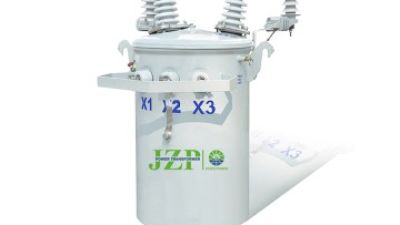
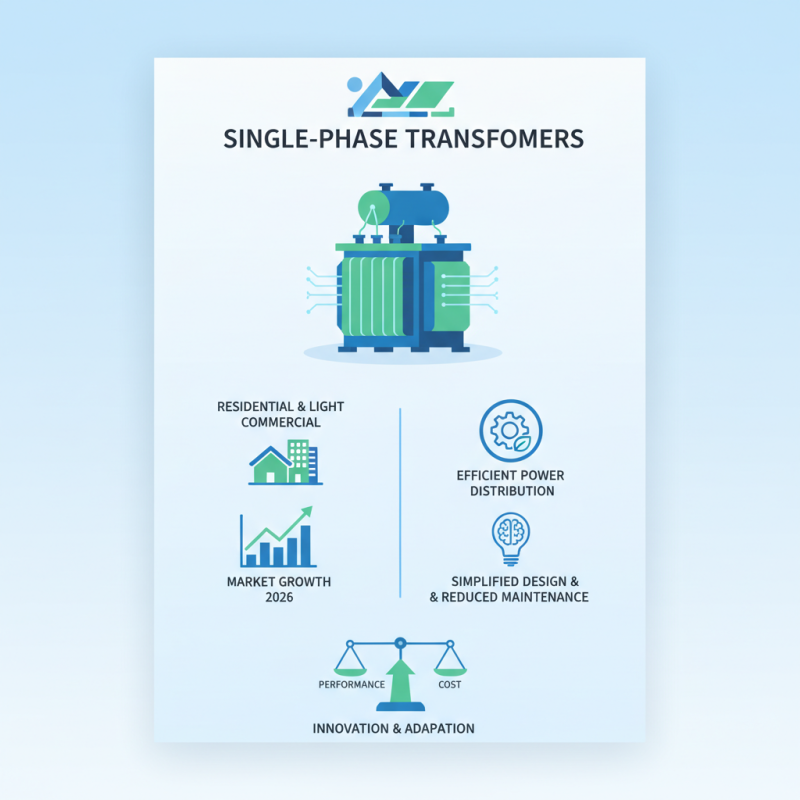
By 2026, Single-Phase Transformers are becoming more important than ever. These things are super vital in a bunch of different areas, especially when it comes to homes and light commercial setups. I came across a report from Global Market Insights that says the market for these transformers is expected to really pick up speed, mainly because people want more efficient ways to distribute power.
Dr. Emily Carter, who’s pretty much an expert in electrical engineering, highlights just how crucial these transformers are. She mentions, 'Their ability to efficiently convert voltage levels is actually pretty essential in our modern electrical systems.' Plus, their simple design means they usually don’t need much maintenance, which is a big plus. But, it’s not all smooth sailing. We still face some hurdles as we look ahead. For instance, the push for even better energy efficiency might push the traditional designs to their limits.
Lots of manufacturers are out there trying to push the envelope and come up with newer tech. Still, improving performance often means making some tough trade-offs. For example, trying to boost efficiency can sometimes bump up costs, which isn’t ideal. This whole scene clearly calls for ongoing innovation and thoughtful choices. Striking a good balance between performance and affordability will definitely be the key if we want to meet future energy needs without breaking the bank.
Benefits of Single Phase Transformers in 2026
Single Phase Transformers play a vital role in modern electrical systems. In 2026, their benefits continue to be significant for both residential and commercial users. They simplify voltage adjustments, making them ideal for various applications. For instance, they convert higher voltage levels to lower ones efficiently. This transformation is crucial for powering homes, equipment, and more without excessive energy loss.
Energy efficiency remains a key advantage. Single phase transformers reduce energy consumption by stepping down voltage levels accurately. This means users can enjoy lower electricity bills. Moreover, their compact size makes them easy to install in tight spaces. For urban settings, this is a huge plus.
**Tip:** Always match your transformer to your specific energy needs. Incorrect sizing can lead to inefficiencies and potential damages.
Maintenance is another critical aspect. Single phase transformers require regular checks to ensure optimal performance. Neglecting this can result in overheating or potential failures. Users should remain vigilant and consider scheduling routine inspections.
**Tip:** Keep an eye out for unusual noises or heat. These could indicate underlying issues that need addressing.
Enhanced Efficiency in Energy Conversion
The enhanced efficiency of single phase transformers in 2026 is noteworthy. These transformers convert energy more reliably than ever. The design focuses on minimizing losses during the conversion process. Every watt counts in today's energy-sensitive world. Transforming electrical energy efficiently reduces waste and saves costs for consumers.
One major advancement lies in their lightweight construction. With new materials, these transformers are more portable. This makes installation and maintenance easier. Yet, the durability of these materials raises questions. Will they withstand harsh environments? Understanding their long-term performance requires ongoing research.
Energy conservation is critical as we face climate change. Single phase transformers contribute significantly to this cause. However, many still overlook their impact. Awareness must grow about their benefits. Efficiency is not just a number; it represents real environmental change. The conversation needs to shift to how we can further improve these technologies.
Benefits of Single Phase Transformers in 2026 - Enhanced Efficiency in Energy Conversion
Cost-Effectiveness for Small Scale Applications
In 2026, single phase transformers are increasingly recognized for their cost-effectiveness in small scale applications. These transformers serve well in residential areas and small businesses. They are cheaper to install than larger systems. For those looking to minimize expenses, this presents a valuable opportunity.
Single phase transformers excel in reliability and ease of use. They require less maintenance than their three-phase counterparts. Their simpler design reduces the amount of space needed. This can be a significant advantage in tight locations. However, potential buyers should consider their power needs carefully. Using an incorrectly rated transformer can lead to inefficiencies.
**Tip**: Always calculate your power requirements accurately. Oversizing can lead to unnecessary costs.
Another benefit is energy efficiency. In many scenarios, single phase transformers reduce energy losses. Their operational efficiency supports lower utility bills. Small businesses particularly benefit from this. Yet, not every application is ideal for single phase systems. Users must assess if it fits their needs.
**Tip**: Evaluate both short-term and long-term savings when choosing a transformer. It’s a key investment for any operation.
What are the Benefits of Single Phase Transformers in 2026? - Cost-Effectiveness for Small Scale Applications
| Benefit | Description | Cost Impact | Typical Applications |
| Compact Size | Single phase transformers require less space, making them ideal for small installations. | Lower installation costs due to less physical footprint. | Residential homes, small businesses. |
| Energy Efficiency | High efficiency reduces energy losses during operation. | Saves on electricity bills over time. | Electric vehicles charging, small manufacturing units. |
| Simple Maintenance | Less complex systems are easier to maintain and repair. | Reduces long-term operational costs related to maintenance. | Small workshops, personal projects. |
| Cost-Effectiveness | Lower initial investment compared to three-phase transformers. | Ideal for startups and small enterprises. | Home appliances, small offices. |
| Versatile Applications | Suitable for a wide range of voltages and uses. | Flexible in terms of financial investment. | Lighting systems, HVAC systems. |
Compact Design and Space Saving Advantages
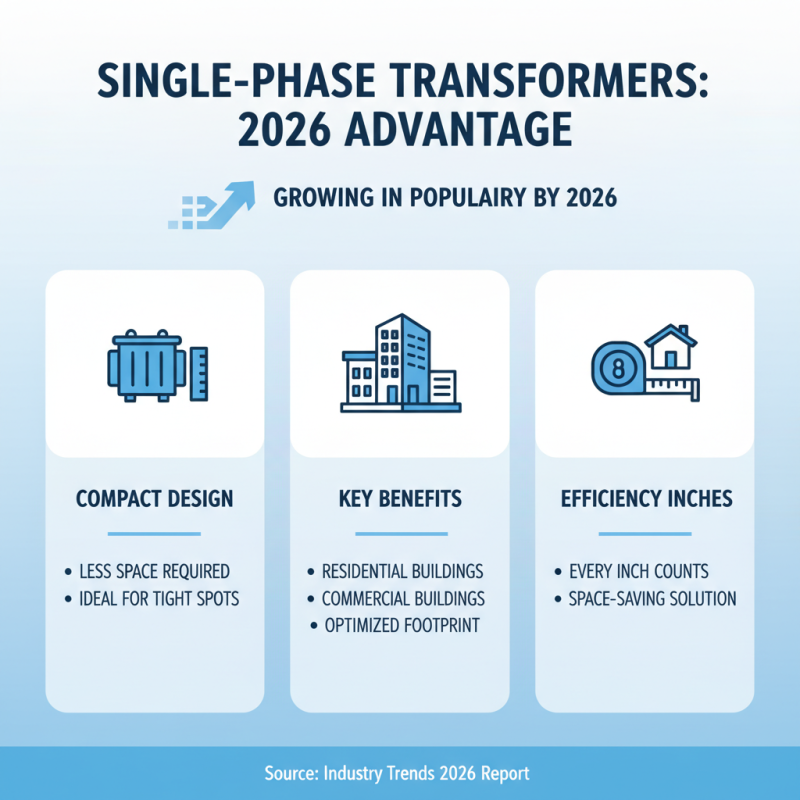
Single phase transformers are gaining traction in 2026. Their compact design presents clear advantages. In tight spaces, every inch counts. These transformers require less room, making them ideal for residential and commercial buildings.
With a weight that is often lighter, installation becomes easier. A smaller footprint means they can fit in places where larger units can't. This allows for more efficient use of available space.
**Tip:** When installing, consider airflow around the transformer. Proper ventilation is crucial for efficient operation.
The simplicity in design reduces the complexity of setups. This not only saves space but can lower total costs too. Yet, remember, their application is limited in certain high-demand scenarios. Assess your power needs carefully to ensure a good fit.
**Tip:** Conduct regular reviews of your energy usage. It helps in optimizing capacity and identifying waste.
Reduced Maintenance Requirements and Longevity
Single phase transformers have become increasingly popular in recent years, especially in 2026. One notable advantage is their reduced maintenance requirements. Compared to three-phase transformers, single phase models have fewer components. This simplicity translates into less frequent repairs and lower upkeep costs.
Tip: Regular inspections can further enhance transformer lifespan. Checking connections and cleaning components can prevent issues.
Another benefit lies in their longevity. Single phase transformers are designed to operate efficiently over the years. Their robust build means they resist wear and tear better than many alternatives. This durability can save both time and money in the long run, even if the initial investment feels high.
Tip: Keep an eye on the operating environment. Conditions like humidity and temperature can affect longevity. Addressing these factors could enhance performance.
While not perfect, single phase transformers present a solid choice for many applications. Their low maintenance and long lifespan make them appealing for residential and small commercial uses. Yet, it’s important to evaluate specific needs before making a decision.
Improved Power Quality for Residential Use
In 2026, single phase transformers are essential for enhancing power quality in residential areas. These transformers convert electrical energy efficiently. They provide a stable voltage output, which reduces the risk of electrical surges. This stability is vital for household appliances. Fluctuating voltage can damage sensitive equipment. With increased power quality, homeowners notice better performance from their devices.
Moreover, these transformers help minimize harmonic distortion. This type of distortion can interfere with the operation of electronics. By filtering out impurities in the power supply, single phase transformers ensure clean energy delivery. Appliances run smoother and last longer, ultimately saving on repair costs. Residents can also expect lower energy bills with improved power efficiency.
However, challenges remain. Not all homes may have adequate infrastructure for these transformers. Some installations can be costly and disruptive. Homeowners need to assess their unique situations before upgrading. Proper installation and maintenance are key to reaping the benefits. Otherwise, the investment may not deliver the expected outcomes.
Adaptive Technology and Smart Grid Integration
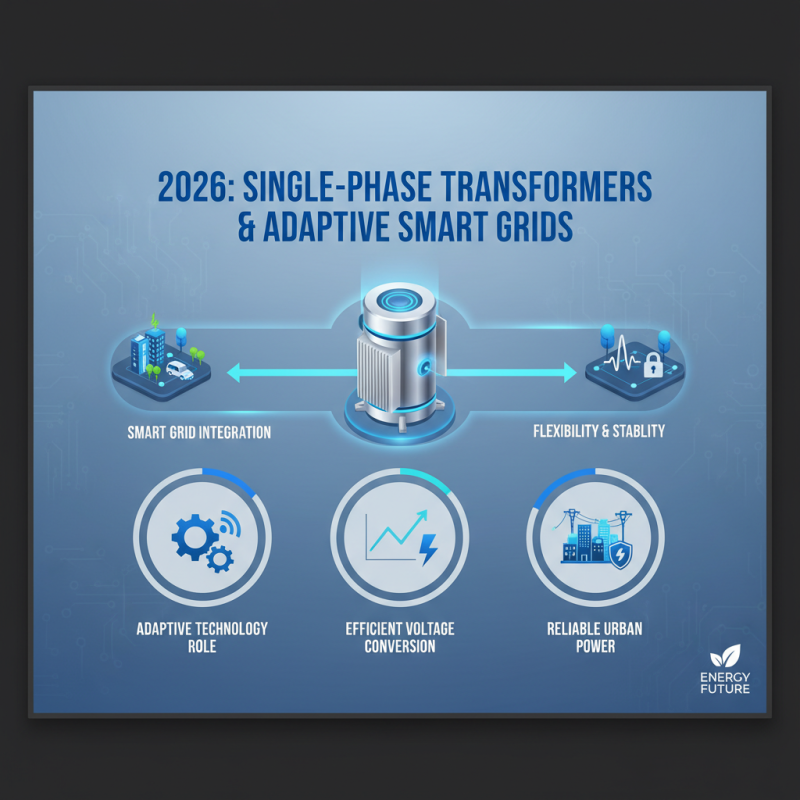
In 2026, single-phase transformers are set to play a crucial role in adaptive technology. Their ability to integrate smoothly with smart grids is noteworthy. Smart grids require flexibility, and single-phase transformers provide that. They efficiently convert voltage levels while maintaining stability. This ensures reliable Power Distribution in urban areas.
The benefits include improved energy management. With smart integration, these transformers help in real-time data monitoring. This allows for quicker response times during outages. However, the reliance on technology raises questions. Are we prepared for potential cybersecurity threats? Improved technology means more vulnerabilities. We must explore how to safeguard these systems effectively.
Cost efficiency is another advantage. Single-phase transformers are generally cheaper to install and operate. Yet, they sometimes lack the capacity for larger loads. This could lead to challenges in high-demand situations. Balancing cost with performance needs careful thought. Adapting to the demands of the future means continuous evaluation of our choices.
Transformer Efficiency and Performance: Insights from the Latest Industry Reports on High Frequency and Single Phase Solutions
The efficiency and performance of transformers have become pivotal topics within the electrical engineering domain, especially in the context of high frequency and single-phase solutions. Recent industry reports indicate that modern single-phase Oil Distribution Transformers, ranging from 15kVA to 500kVA, exhibit significant advancements in efficiency ratings, often exceeding 98% under optimal load conditions. This development not only enhances operational reliability but also reduces energy losses, making these transformers an essential component in both industrial and commercial applications.
Moreover, the adaptation to high-frequency applications has become increasingly prevalent, driven by the demand for more compact and efficient power solutions. Data suggests that when transitioning to higher frequency operations, transformers can maintain their efficiency and significantly reduce core losses. For instance, transformers optimized for 60Hz to 400Hz applications have shown improved performance when compared to traditional designs, attributed to the use of superior materials and innovative core designs.
As industries increasingly seek to integrate sustainable practices, these advancements in single-phase solutions underscore a shifting paradigm towards greener energy consumption. The availability of various ratings, including 75kVA and 250kVA, provides flexibility in applications, catering to both small-scale operations and large industrial setups. Thus, the latest insights from industry reports reassert the invaluable role that transformer efficiency plays in enhancing overall system performance and contributing to energy conservation efforts in today's electric systems.
FAQS
: The service aims to help users easily find relevant information and solutions. It focuses on user needs and preferences.
The platform is designed to be intuitive. Users can navigate it easily, even if they are not tech-savvy.
Yes, users can access support via chat or email. Quick responses aim to resolve issues promptly.
Absolutely. User feedback is encouraged and valued. It helps improve service quality and user experience.
Basic features are free. Advanced options may require a fee, but users can try some features beforehand.
Users can easily update their details in the account settings section. Regular updates are recommended for accuracy.
In case of technical difficulties, users should contact support. They aim to fix issues as quickly as possible.
Yes, the platform is optimized for mobile use. Users can access it conveniently on phones and tablets.
User data protection is a priority. Measures are in place to ensure privacy and secure information handling.
Users can provide constructive feedback. Reflecting on specific issues helps improve the service for everyone.
Conclusion
In 2026, the advantages of Single Phase Transformers are becoming increasingly significant, particularly in the context of energy efficiency and adaptability. These transformers exhibit enhanced efficiency in energy conversion, making them ideal for small-scale applications where cost-effectiveness is crucial. Their compact design allows for space-saving installations, appealing to residential users who prioritize efficient use of available space.
Moreover, Single Phase Transformers require reduced maintenance and possess a longevity that contributes to lower overall operational costs. They also play a vital role in improving power quality for residential use, ensuring stable electricity supply for modern households. Additionally, with the rise of adaptive technology and smart grid integration, Single Phase Transformers are perfectly positioned to meet the evolving demands of the energy landscape, making them a smart choice for the future.

 +86 18068001229
  Contact Phone
 Contact Email