Leave Your Message
0%

In the fast-moving world of energy today, picking the right equipment isn't just a small detail — it's a big deal. Experts often talk about how crucial reliability and efficiency are when it comes to electrical systems. I remember hearing John Smith, who’s the lead engineer over at PowerTech Solutions, say something like, "Choosing the best 125kva Switching Equipment And Substations can really make or break how well your system works." That really hit home for me—it just goes to show how important it is to make informed decisions.

When you’re looking to buy, there are a few things you really should keep in mind. Getting a good handle on the specs and knowing how they fit your needs is key to making sure everything runs smoothly. The market’s full of options, but not all of them are the right fit for every situation. Doing your homework is absolutely worth it — nobody wants to fall into the trap of ending up with subpar gear.

Of course, investing in high-quality 125kva Switching Equipment And Substations is all about balancing costs and benefits. I get it — budgets are tight sometimes. But skimping on quality can lead to bigger headaches down the line. Honestly, it’s a smart move to talk to experts who really know their stuff. Finding that sweet spot between price and reliability is what keeps things safe and running smoothly in the long run.
125kva Switching Equipment and Substations Best Choices for Buyers

Understanding 125kVA Switching Equipment and Substations

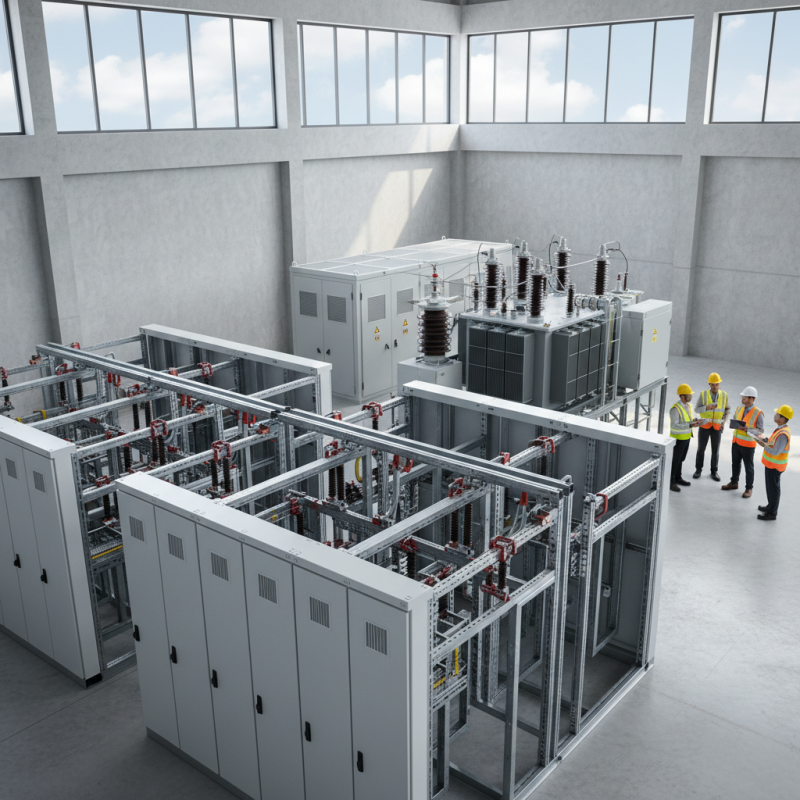
Understanding 125kVA switching equipment and substations is essential for modern energy management. This equipment plays a crucial role in electrical distribution. According to the International Electrotechnical Commission, it helps ensure reliability in power supply, making it vital for industries.

Key aspects include efficiency and safety standards. A report from the Electric Power Research Institute indicates that poorly designed substations can lead to significant energy losses—up to 15% in some cases. Proper voltage regulation and load management are paramount.

Furthermore, selecting the right components can be challenging. Buyers should consider factors like thermal performance and environmental impact. The National Electrical Manufacturers Association highlights that up to 40% of substations are not optimized for energy efficiency. Evaluating these metrics helps prevent costly updates later. Effective solutions exist, but not all are well understood. Understanding current technologies is vital for informed decisions.

125kVA Switching Equipment and Substations Best Choices for Buyers

Feature Details Benefits Considerations
Voltage Levels 3 Phase 400V Standard industrial supply Ensure compatibility with existing systems
Protection Mechanisms Circuit breakers, fuses Prevents equipment damage Maintenance of components needed
Load Capacity Up to 125 kVA Supports a variety of applications Calculate peak loads accurately
Installation Location Indoor/Outdoor options available Flexibility in setup Consider environmental factors
Compliance Standards IEC, ANSI Standards Ensures safety and reliability Stay updated with changes in regulations

Key Factors to Consider When Purchasing Switching Equipment

When purchasing switching equipment, several key factors demand careful consideration. The first aspect is compatibility with existing infrastructure. Equipment should integrate seamlessly into current systems. Compatibility issues can lead to operational delays and increase costs. Research shows that up to 30% of project budgets often go to revising incompatible installations.


Safety is paramount in evaluating equipment. Look for compliance with international standards such as IEC and ANSI. These certifications indicate reliability. Approximately 37% of reported failures are linked to electrical faults. Investing in certified equipment mitigates these risks.


Cost is another crucial factor. While the initial purchase price is vital, long-term maintenance expenses should also be factored in. A study indicated that up to 20% of total project costs come from maintenance over equipment lifespan. Consider American Compact Substations for their compact design, which offers space efficiency and cost-effectiveness.


Choosing switching equipment requires balancing these critical aspects. Each decision impacts operational efficiency and safety. Reflecting on these factors will enhance the overall purchasing experience.

Types of Switching Equipment Suitable for 125kVA Substations

When considering switching equipment for 125kVA substations, various types may be suitable for different needs. Low Voltage Switchgear Equipment plays a crucial role in managing electrical distribution. This type of equipment ensures safe and effective handling of electrical loads. It can help prevent overloads and short circuits, which are common risks in electrical systems.

Another option is the use of circuit breakers. These devices automatically disconnect power when issues arise. They provide protection against faults in the electrical system. However, choosing the right type and rating requires careful assessment of the specific application's needs. An improper choice can lead to insufficient protection or increased operational costs.

Also, transformers often accompany switching gear in substations. Their role is to manage voltage levels for various applications. Selecting the wrong transformer can lead to inefficiencies and potential equipment damage. Buyers should consider the load requirements and environmental factors. Seeking advice from knowledgeable professionals can be beneficial. This decision-making process highlights the importance of expertise and reliability in equipment selection.

Types of Switching Equipment Suitable for 125kVA Substations

This bar chart illustrates the different types of switching equipment commonly used in 125kVA substations along with their relative popularity based on market research data.

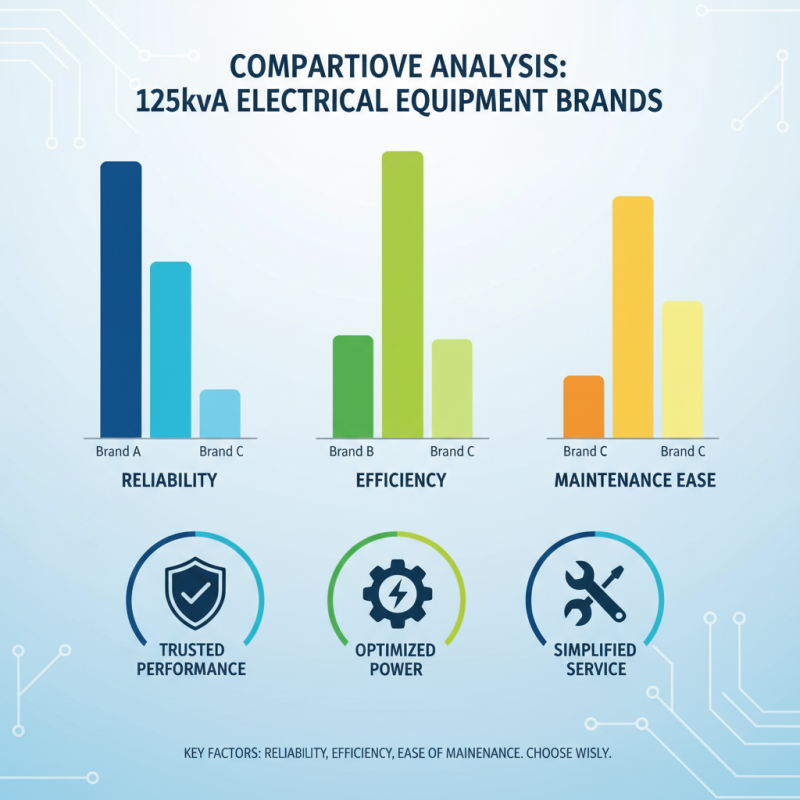
Comparative Analysis of Leading Brands in 125kVA Equipment

125kva Switching Equipment and Substations Best Choices for Buyers

When evaluating 125kVA switching equipment and substations, buyers often face a wealth of choices. Each brand claims to offer the best features, but not all live up to their promises. Key factors include reliability, efficiency, and ease of maintenance. Understanding the nuances in specifications can be challenging for a buyer. The differences between models can be subtle yet significant.

Some brands emphasize advanced technology, while others focus on durability and performance. For instance, some equipment provides excellent overload protection, which is crucial in high-demand situations. Conversely, others may skimp on materials, leading to frequent repairs. It's essential to probe deeper than the surface-level advertising claims. Therefore, a comparative analysis reveals that not all specifications reflect real-world performance.

In practical usage, a Transformer 125kva may perform adequately under standard conditions, but things change under stress. Users sometimes report inefficiencies when operating at capacity. This feedback is vital for prospective buyers. An informed decision is often grounded in real user experiences, rather than glossy brochures. Seeking out vocational insights and expert reviews is a step in the right direction.

Best Practices for Installation and Maintenance of Substation Equipment

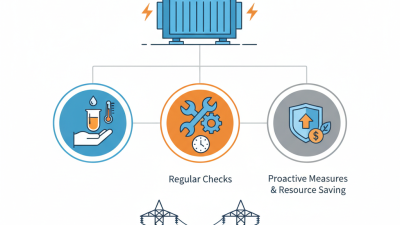
When it comes to installing and maintaining substations, attention to detail is crucial. Proper installation of a 125kva Transformer is foundational. Correct alignment and secure connections can prevent significant downtime. This may sound simple, but it often goes overlooked. Regular checks can reveal misalignments. Take the time to inspect frequently.

Routine maintenance enhances reliability. Clean connections help prevent overheating. Examine your insulation regularly for wear and tear. If there are signs of corrosion, address it immediately. Implement a schedule for these checks. Proper maintenance minimizes unexpected failures and extends the lifespan of your equipment.

Documentation plays a vital role. Keep detailed records of all maintenance activities. This establishes a reliable history for your equipment's performance. Always reflect on the effectiveness of your practices. Ask your team for feedback on installation challenges. Understanding past mistakes leads to better performance in the future.

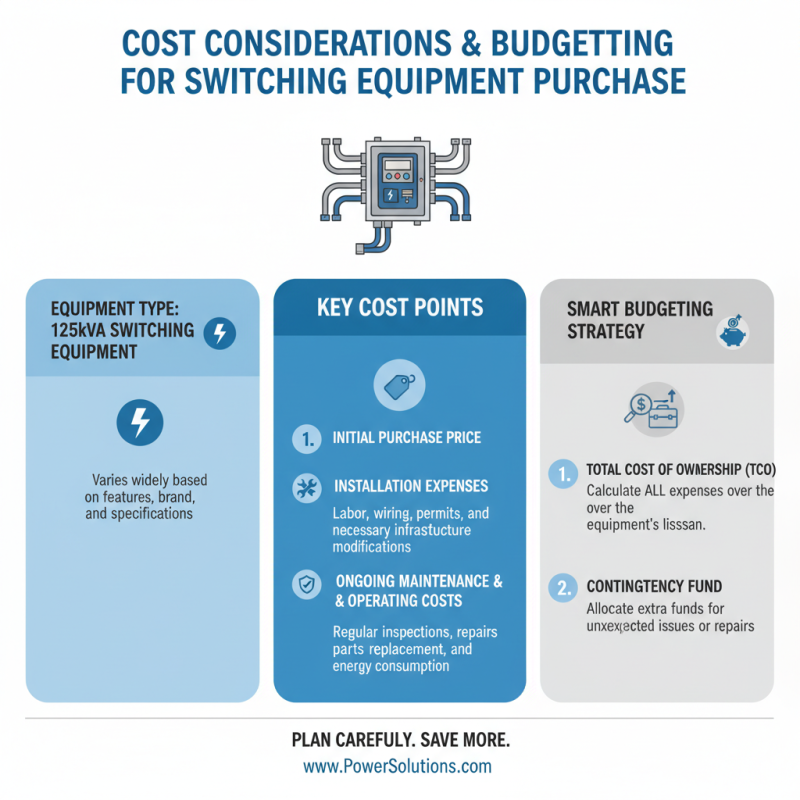
Cost Considerations and Budgeting for Switching Equipment Purchase

125kva Switching Equipment and Substations Best Choices for Buyers

When purchasing 125kVA switching equipment, cost considerations are crucial. These devices play a significant role in Power Distribution and management. Buyers should assess their budget carefully. The initial cost of equipment can vary widely based on features and specifications. Many buyers overlook additional expenses like installation and maintenance, which can impact the overall budget.

Engaging with vendors can provide insight into hidden costs. It's essential to inquire about warranties and service agreements. Some options might seem cheaper upfront but could lead to higher long-term expenses. Consider the lifespan of the equipment and its efficiency. Investing in higher-quality components may offer better value over time.

Another factor is compliance with safety standards. Equipment that meets regulations usually carries a higher price tag. However, the peace of mind gained from reliable equipment is invaluable. Buyers must weigh immediate savings against potential risks and replacement costs. Reflecting on these aspects can lead to better purchasing decisions.

Future Trends in 125kVA Switching Equipment Technology and Design

The future of 125kVA switching equipment technology is evolving rapidly. Innovations focus on enhancing efficiency and reliability. Modern designs prioritize compactness and user-friendliness, making installation simpler. Manufacturers are adopting smart technology, integrating IoT solutions that allow for real-time monitoring. These features improve fault detection, thus ensuring better performance.

Sustainability is another trend shaping the industry. Environmentally-friendly materials are now commonplace. Energy-efficient components reduce waste and operating costs. However, transitioning to these new designs requires investment and an adjustment period. Some buyers may find this shift challenging.

Moreover, the increased automation of substations is noteworthy. Automated systems can often outperform manual operations. Yet, they do introduce complexities in maintenance and training. Buyers need to consider the balance between technology and hands-on expertise. As demand grows, it’s essential to remain informed about these advancements to make sound purchasing decisions.

FAQS

: What is a key factor to consider when purchasing switching equipment?

: Compatibility with existing infrastructure is crucial to avoid operational delays and increased costs.

Why is safety important in selecting switching equipment?

Safety ensures compliance with international standards, reducing risks caused by electrical faults.

How can maintenance costs affect the purchase decision?

Long-term maintenance expenses can consume up to 20% of total project costs, impacting the overall budget.

What type of switching equipment is suitable for managing electrical distribution?

Low Voltage Switchgear Equipment ensures safe handling of electrical loads and prevents overloads and short circuits.

What is the role of circuit breakers in switching equipment?

Circuit breakers automatically disconnect power during issues, providing essential protection for the electrical system.

How can transformer selection impact substation efficiency?

Choosing the wrong transformer can lead to inefficiencies and potential damage, emphasizing the need for careful assessment.

Why should buyers reflect on their purchasing decisions?

Each choice impacts operational efficiency and safety, requiring careful consideration and potential reevaluation.

What should buyers consider when assessing electrical load requirements?

They should evaluate the specific application's needs and consult experts to ensure reliable equipment selection.

How does integration affect the cost of equipment?

Incompatible installations can lead to significant costs in revisions, potentially straining the project budget.

What is a common risk in electrical systems associated with switching equipment?

Overloads and short circuits are common risks, making effective equipment selection crucial for safety.

Conclusion

The article titled "125kVA Switching Equipment and Substations Best Choices for Buyers" provides a comprehensive overview of the essential aspects surrounding 125kVA switching equipment and substations. It begins with an understanding of what 125kVA systems entail, followed by key factors that buyers should consider during the purchasing process. Various types of switching equipment that are suitable for 125kVA substations are discussed, offering insights into their specifications and applications.

Additionally, the article includes a comparative analysis of leading brands in the industry, highlighting their strengths and weaknesses. Best practices for installation and maintenance are outlined to ensure optimal performance and longevity of the equipment. Cost considerations and budgeting are also emphasized, equipping prospective buyers with necessary financial insights. Lastly, the article explores future trends in 125kVA switching equipment technology and design, which helps buyers stay informed about innovations that may impact their purchasing decisions.
Ethan

Ethan

Ethan is a dedicated and professional marketing specialist at JEZOU POWER, a prominent designer, manufacturer, and installer of power system solutions since 1989. With a keen eye for detail and a comprehensive understanding of the company’s advanced design concepts and production processes, Ethan......
Previous China Best Oil Immersed HV Test Transformer for Global Buyers?