+86 18068001229 


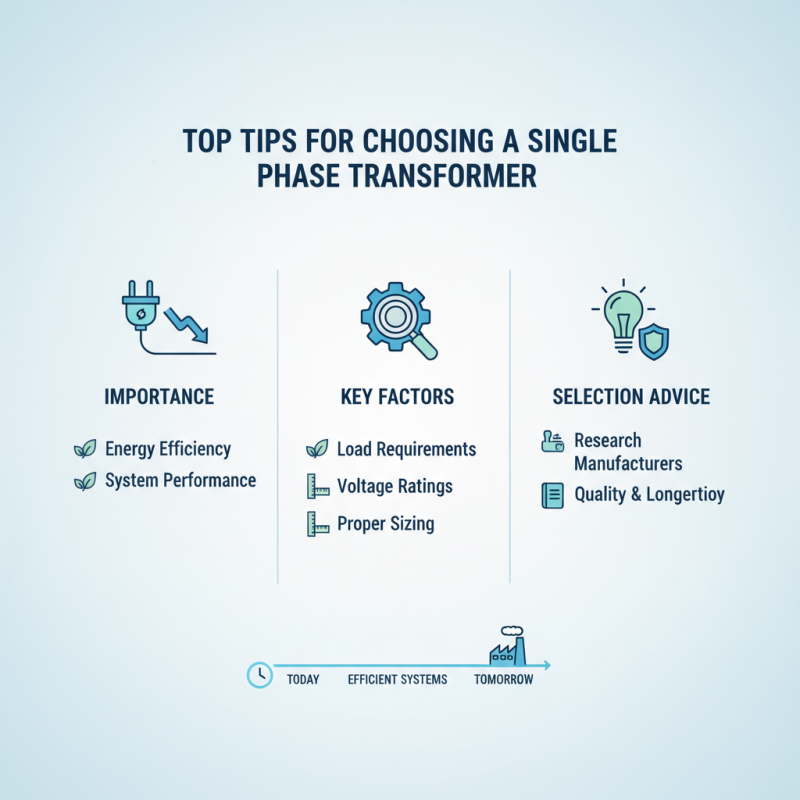
Picking out a Single Phase Transformer isn't just a snap, you know? You really gotta think it through. The International Electrotechnical Commission (IEC) points out that transformers are actually responsible for quite a bit of energy loss in electrical setups. So, choosing the right one really matters—it’s all about keeping things efficient and running smoothly.
When you’re shopping around, it’s so important to dig into the specs. Most Single Phase Transformers are used in homes or light commercial spots. The NEMA (National Electrical Manufacturers Association) even mentions that getting the right size can actually help save energy—which is pretty cool. But here’s the thing: a lot of folks skip over key details like load needs and voltage ratings, which can cause trouble down the road.
Sure, there are tons of manufacturers out there offering similar-looking products, but the quality can really vary. I’ve seen folks complain that their transformers didn’t perform as expected, usually because of picking the wrong one or not doing the homework beforehand. So, taking the time to do a bit of research is definitely worth it. Finding a good balance between industry advice and understanding the product will help you make a smarter choice. Do your homework now, and you’ll thank yourself later with a more efficient setup that lasts longer.
When choosing a single phase transformer, understanding its components is vital. A single phase transformer typically consists of primary and secondary coils. These coils serve to step up or step down voltage as needed. According to industry reports, single phase transformers are prevalent in residential areas due to their efficiency for low-power applications. They can effectively manage loads up to 5 kVA, making them suitable for homes and small businesses.
The reliability of a transformer can significantly impact its longevity. Statistics show that transformers account for nearly 25% of energy losses in electrical systems. Therefore, selecting high-quality materials and designs is crucial. Ensure that the transformer's insulation system can withstand various temperature fluctuations. Furthermore, it’s essential to consider the environment where the transformer will be installed. Factors such as humidity and dust can affect its performance. Frequent maintenance checks can prevent unexpected failures, maximizing the unit's lifespan.
In terms of compatibility, assess the existing electrical systems. Not all transformers work seamlessly within every configuration. Mismatches can lead to inefficiencies, resulting in increased operational costs. It’s vital to consult with engineers or technicians who specialize in transformers for informed decisions.
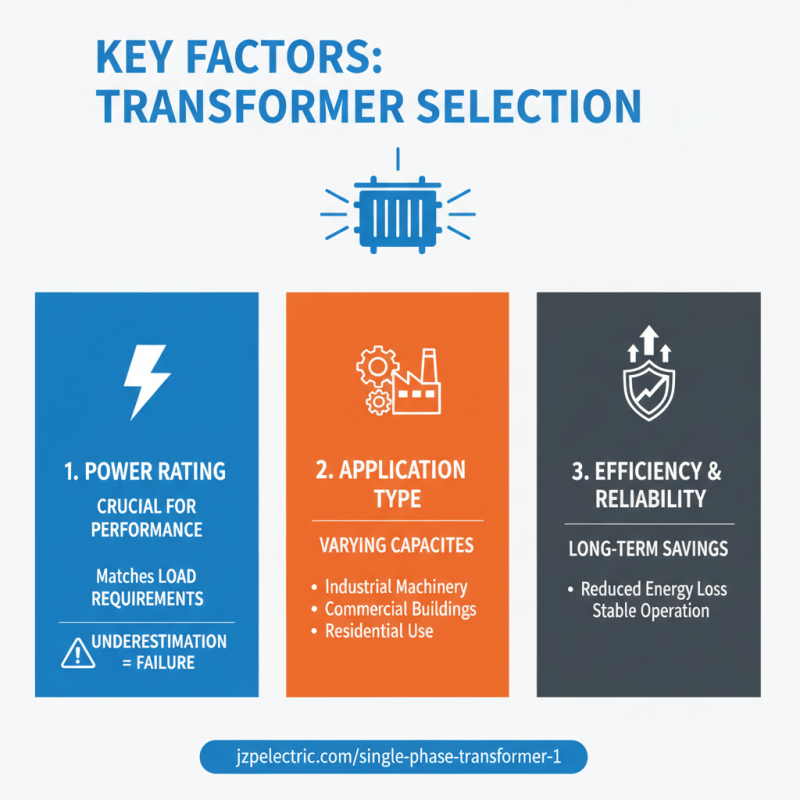
When selecting a Single-Phase Transformer, focus on key factors that influence performance. The power rating is vital. Different applications require different capacities. Ensure your choice can handle the load effectively. Underestimating this can lead to premature failure.
Next, consider voltage levels. Transformers step up or step down voltage. Incorrect voltage ratings can cause equipment damage. It's essential to match the transformer to your system's requirements. Efficiency is also crucial. A more efficient Single-Phase Transformer minimizes energy losses.
Weight and dimensions should not be overlooked. Size can affect installation flexibility. Sometimes, a larger unit is more cumbersome than practical. Evaluate the environment where it will be placed. Installation conditions can also impact heat dissipation. Awareness of these factors helps ensure long-term reliability. Always aim for a balance between size and functionality.
When choosing a single-phase transformer, voltage and power requirements are critical. Start by determining the operating voltage of your equipment. Transformers come in various voltage ratings. Ensure the transformer's output matches your device's input requirements to prevent any damage.
Power requirements are equally important. Calculate the total wattage your devices will consume. This is done by adding the wattage of all connected devices. Choose a transformer that can handle this total load comfortably. This approach helps avoid overheating or inefficiencies.
During this assessment, consider ambient temperature and installation conditions. A transformer might perform well under standard conditions but falter in extreme heat or cold. Reflect on the specific environment where the transformer will be installed. These nuances can impact the transformer's efficiency and lifespan significantly. Therefore, thorough evaluation is essential to make an informed choice.
| Dimension | Value |
|---|---|
| Input Voltage | 120V / 240V |
| Output Voltage | 12V / 24V / 48V |
| Power Rating | 500W / 1000W / 1500W |
| Frequency | 50Hz / 60Hz |
| Cooling Type | Natural Air Cooling / Forced Air Cooling |
| Efficiency Rating | ≥ 95% |
| Cooling Method | Oil-Filled / Dry Type |
| Protection Class | IP20 / IP23 |
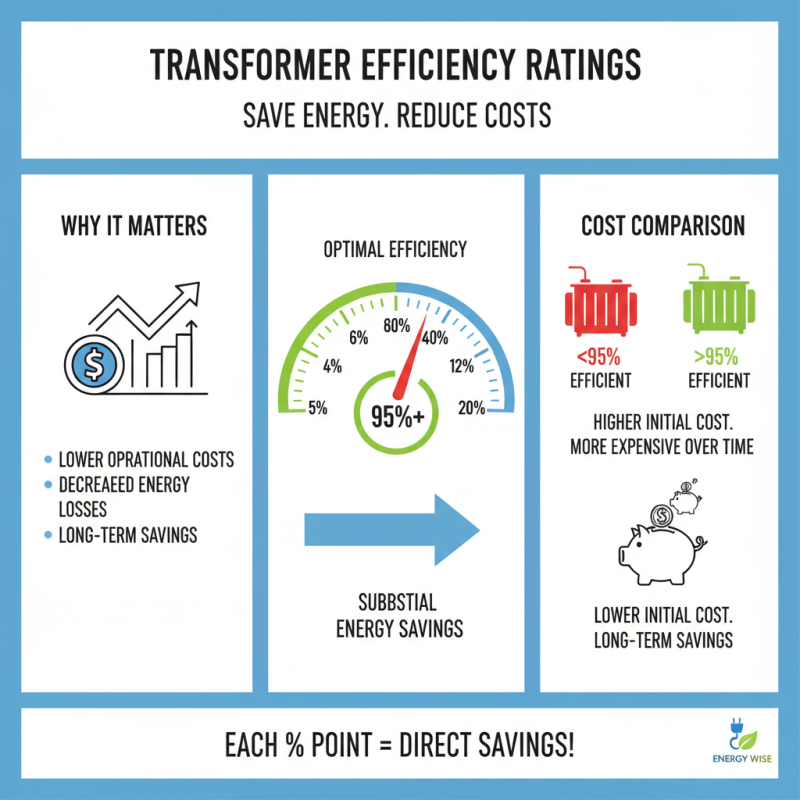
When selecting a single-phase transformer, efficiency ratings are critical. Evaluating these ratings can significantly impact operational costs. Energy losses can lead to increased expenses over time. Studies indicate that transformers with efficiency ratings above 95% can save substantial energy. Each percentage point in efficiency translates to direct savings. Thus, lower efficiency units may seem cheaper initially but can cost more in the long run.
Consider the 35kV single-phase transformer, a common choice in many applications. This type typically offers efficiency around 98%. However, not all units meet this standard. Some older models might perform as low as 92%. It's essential to account for load conditions, as a unit may perform differently under varying loads. Thus, an average efficiency rating might not be sufficient to evaluate true performance.
Moreover, installation and maintenance can affect efficiency. Poorly installed transformers may have hidden energy losses. Regular maintenance is crucial to ensure optimal performance. A professional assessment can help identify areas for improvement. Investing in high-efficiency models can reduce both energy consumption and overall operational costs. Prioritizing efficiency ratings will lead to smarter purchasing decisions in the long run.
Cooling methods play a vital role in the performance and longevity of transformers. The right cooling system ensures that a transformer operates efficiently and reduces the risk of overheating. The most common cooling methods for transformers include air cooling, oil cooling, and water cooling. Each method has its specific applications and benefits, which can significantly impact transformer performance.
When choosing a cooling method for a 5kva Single Phase Transformer , consider the installation environment. In areas with limited space, air cooling may be more suitable due to its simplicity and lower maintenance requirements. However, oil cooling provides better thermal management, especially in high-load applications. Studies indicate that oil-cooled transformers operate at optimal temperatures, leading to increased reliability and efficiency.
Tip: Always account for system capacity when selecting cooling methods. An oversized cooling system can result in unnecessary energy consumption. Another consideration is ambient temperature. Higher temperatures can strain cooling systems and lead to failures. Assessing these factors early will save costs and enhance reliability. Balancing cooling efficiency with operational requirements is crucial.
When evaluating single-phase transformers, size and weight are critical factors to consider. The physical dimensions directly impact the installation space available and the overall efficiency of the transformer. For instance, larger transformers may provide higher power ratings but at the cost of increased weight and complexity in handling. According to industry standards, the weight of a transformer can range from 50 kg to over 500 kg, depending on its capacity and design. This disparity necessitates careful planning during installation.
Moreover, installing a larger transformer can also pose challenges related to structural support and transportation. For smaller applications, compact models weighing less than 100 kg are often sufficient. However, these units might compromise on performance for higher loads. The American National Standards Institute indicates that optimizing both size and weight can lead to a reduction of up to 20% in shipping costs, making it vital for project budgets.
Weight distribution also affects the longevity of the transformer. Poorly supported transformers may suffer from vibrations, leading to premature failure. Industry reports have highlighted that improperly installed transformers can result in maintenance costs increasing by up to 30% over their lifetime. Balancing size and weight with performance is not trivial; the wrong choice can lead to operational inefficiencies and unexpected challenges during the transformer’s service life.
When selecting a transformer, safety ratings and certifications are paramount. A transformer should meet recognized safety standards to ensure reliable operation. Look for certifications from reputable organizations. These indicate rigorous testing and adherence to safety protocols. For a Single Phase Transformer 15kva, it's essential to verify these ratings for personal and equipment protection.
Understanding ratings can be overwhelming. Familiarize yourself with terms like insulation class and temperature rise. Each plays a role in the longevity and safety of your transformer. Not all transformers are equal; some may lack essential certifications, leading to potential hazards.
One common tip is to consult with professionals. Their experience can guide your decision-making process. Always ask for documentation related to safety ratings. Do not skip this step, as it contributes to compliance with local regulations. Mistakes in this area can result in costly issues. Prioritize clear, concise information and avoid products with vague certifications.
: A single-phase transformer includes primary and secondary coils that step up or step down voltage.
They are efficient for low-power applications, managing loads up to 5 kVA for homes and small businesses.
High humidity and dust can impair transformer functionality and reliability over time.
Evaluate the operating voltage and power requirements of your equipment to avoid damage.
Larger transformers need more space and support, complicating installation and transportation.
Regular checks can prevent unexpected failures and extend the lifespan of your transformer.
Incompatibility can lead to inefficiencies, increasing operational costs significantly.
Consider extreme temperatures that may affect performance; assessments are crucial for final choices.
This ensures that the transformer can handle the load without overheating or losing efficiency.
They may experience increased maintenance costs and potential early failure due to vibrations.
When choosing a single phase transformer, it is crucial to understand its fundamental principles and applications. Key factors to consider include assessing voltage and power requirements to ensure the transformer meets your specific needs. Evaluating transformer efficiency ratings will help you gauge performance and potential energy savings. Additionally, identifying the appropriate cooling methods is essential for optimal operation and longevity.
Size and weight considerations can affect installation and portability, while safety ratings and certifications are vital for ensuring compliance with industry standards. By carefully analyzing these aspects, you can make informed decisions when selecting a single phase transformer that best suits your requirements, ultimately enhancing system reliability and efficiency.