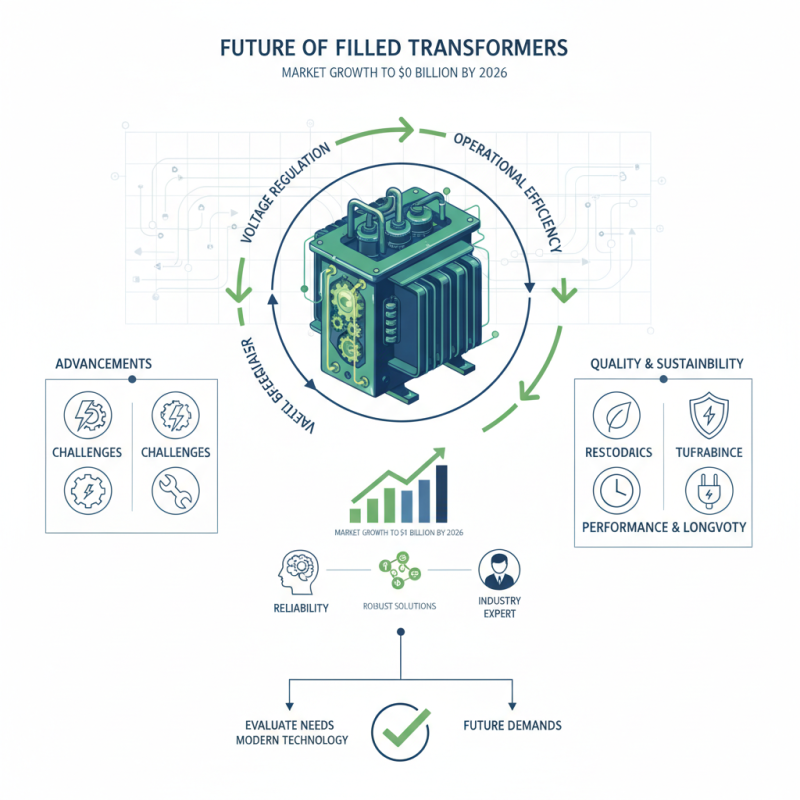
In the world of electrical engineering, it’s no secret that the demand for high-quality Oil Filled Transformers is just growing and growing. A recent report from the Global Transformer Market Research Firm even says the market could hit around $10 billion by 2026. These transformers are pretty much the backbone when it comes to voltage regulation and keeping things running smoothly. But I gotta admit, figuring out which transformer is right for your business can sometimes feel overwhelming — there’s a lot to consider.
John Smith, who’s a lead engineer over at Power Solutions Inc., puts it simply: "The reliability of an Oil Filled Transformer is absolutely crucial in today’s energy landscape." His words really hit home because, yeah, in this industry, you need solutions you can count on. While tech keeps improving—making these transformers more efficient—there are still some bumps in the road, especially when it comes to maintenance and how long they last.
As things keep changing, manufacturers really need to focus on quality and sustainability. The best options out there today are those that strike a good balance between performance and durability. But here’s the thing: understanding what your specific needs are is super important. Relying on outdated tech can slow you down and hold back progress, so businesses really need to take a good look at their options and choose wisely to stay ahead of the game and meet future demands.
Overview of Oil Filled Transformers and Their Applications
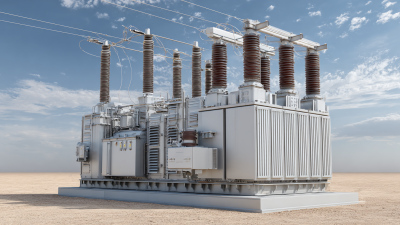
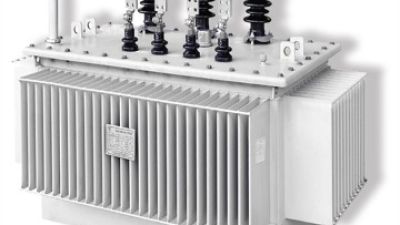
Oil-filled transformers are vital components in the electrical distribution system. These transformers use oil as both a coolant and an insulator. The oil helps maintain optimal operating temperatures, which can enhance performance and longevity. According to industry reports, over 60% of Power Transformers in use are oil-filled, highlighting their prevalence and importance in energy infrastructure.
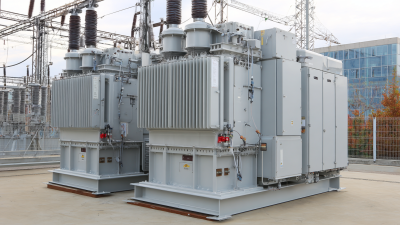
Applications of oil-filled transformers range widely. They are commonly found in substations, industrial facilities, and renewable energy systems. Their efficiency in handling high loads makes them particularly valuable in utility operations. Data suggests that oil-filled transformers can operate continuously under heavy loads without significant thermal degradation. However, regular maintenance is essential. Oil quality can degrade over time and lead to failures.
There are known risks. Oil leaks can pose environmental hazards. Manufacturers emphasize monitoring and inspections to catch potential issues early. Despite these challenges, oil-filled transformers remain favored for their durability and effectiveness in energy transmission. Continued advancements will likely address existing concerns, enhancing reliability and safety in this crucial technology sector.
Key Factors to Consider When Choosing High-Quality Oil Filled Transformers
When selecting high-quality oil filled transformers, several key factors are crucial. First, consider the transformer's capacity. High-capacity options, like a 2000kva Oil Filled Transformer, can efficiently handle large loads. According to a recent industry analysis, transformers over 1500 kVA have seen a rise in demand due to increased industrialization. This trend reflects the growing need for reliable power solutions in various sectors.
Another important aspect is the quality of materials used in construction. A durable transformer can withstand environmental stresses. Materials like high-grade steel for cores and premium insulation oil enhance longevity. Reports from reputable electrical engineering journals indicate that transformers with superior insulation oil can experience a longer service life, sometimes extending beyond 25 years. This shows that the right choices can prevent costly downtimes.
Additionally, consider the operational efficiency of the transformer. Energy losses during operation can affect overall performance. A well-designed oil filled transformer minimizes these losses. Nevertheless, some models may require more maintenance, impacting their overall reliability. Understanding these complexities is crucial for selecting a transformer that meets your specific needs while ensuring cost-effectiveness and efficiency.
Top Brands and Manufacturers of Oil Filled Transformers in 2026
In 2026, the market for oil filled transformers is becoming increasingly competitive. Quality remains paramount for manufacturers, as customers seek dependable energy solutions. Among the top brands, many prioritize durability and efficiency in their designs. These manufacturers have invested in advanced technology, ensuring that their products meet high standards. Industry experts emphasize the importance of performance in diverse environments.
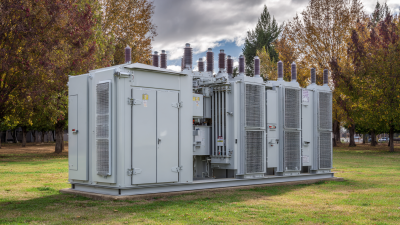
One standout option is the Oil Filled Pad Mounted Transformer. This type provides flexibility in installation, making it ideal for urban developments. Its sealed design minimizes environmental impact, addressing growing eco-consciousness. However, not all models meet every standard. Some reviews highlight issues with weight and maintainability. This inconsistency calls for careful research and consideration.
Feedback from users often reflects varied experiences with different models. Some appreciate the longevity, while others mention difficulty in sourcing parts. The information can be overwhelming. A clear understanding of specifications is essential. Prioritizing reliability and support will help consumers make informed decisions in this evolving market.
Comparison of Wholesale Prices for Oil Filled Transformers
In the ever-evolving electrical industry, choosing the right oil-filled transformer is crucial for efficiency and durability. Recent market studies indicate that the global demand for these transformers is projected to grow by approximately 5% annually. This growth translates into a significant impact on pricing strategies.
When comparing wholesale prices, it is essential to consider various factors. For instance, the average cost of high-quality oil-filled transformers may range from $5,000 to $15,000, depending on specifications. However, some suppliers offer competitive pricing, with discounts up to 20% for bulk purchases. These price variations often stem from manufacturing processes, materials used, and production locations.
Handling defects or maintenance needs can pose challenges. Suppliers may not always provide clear return policies. Without careful evaluation, buyers might face unexpected costs down the line. It’s crucial to conduct thorough research and request detailed quotes from multiple vendors. Engaging with industry experts and obtaining insights from recent reports can help buyers make informed decisions. This cautious approach can ultimately lead to better investment choices in an essential sector.
Innovative Technologies in Oil Filled Transformer Design
Innovative technologies in oil-filled transformer design are revolutionizing the energy sector. Advanced materials and engineering techniques enhance performance and efficiency. This shift promises to reduce downtime and improve reliability.
One key innovation involves improved insulation materials. These materials withstand higher temperatures than traditional options. They also reduce maintenance needs, increasing overall operational efficiency. For instance, the 400,000 kVA and 420,000 kVA oil-filled transformers feature enhanced thermal management systems. These systems efficiently dissipate heat, preventing overheating risks.
Moreover, monitoring technologies are becoming essential. Smart sensors track performance in real time, identifying issues before they escalate. This proactive approach minimizes risks. However, these technologies are not without challenges. Implementing them requires substantial investment and skill. Adopting these innovations needs careful consideration and planning. Balancing cost and efficiency remains a critical task for many organizations.
Environmental Impact and Sustainability of Oil Filled Transformers
Oil-filled transformers are widely used in electrical systems. However, their environmental impact is an important consideration. While these transformers can efficiently manage voltage levels, the insulating oil they contain can be harmful if not handled properly. Spills can lead to soil and water contamination, affecting local ecosystems.
Sustainability efforts are gaining momentum in the industry. Many manufacturers are exploring biodegradable oils as alternatives. These options could significantly reduce environmental risks. Yet, the transition to greener solutions is not straightforward and requires careful evaluation. Research into long-term performance and cost-effectiveness is still ongoing.
Regulatory standards are tightening around the use of traditional oils. This suggests a shift in how manufacturers approach product design and manufacturing. Overall, while oil-filled transformers serve a vital purpose, their potential for environmental harm cannot be ignored. Responsible practices and innovations will be crucial for sustainable energy management.
Maintenance Tips for Ensuring Longevity of Oil Filled Transformers
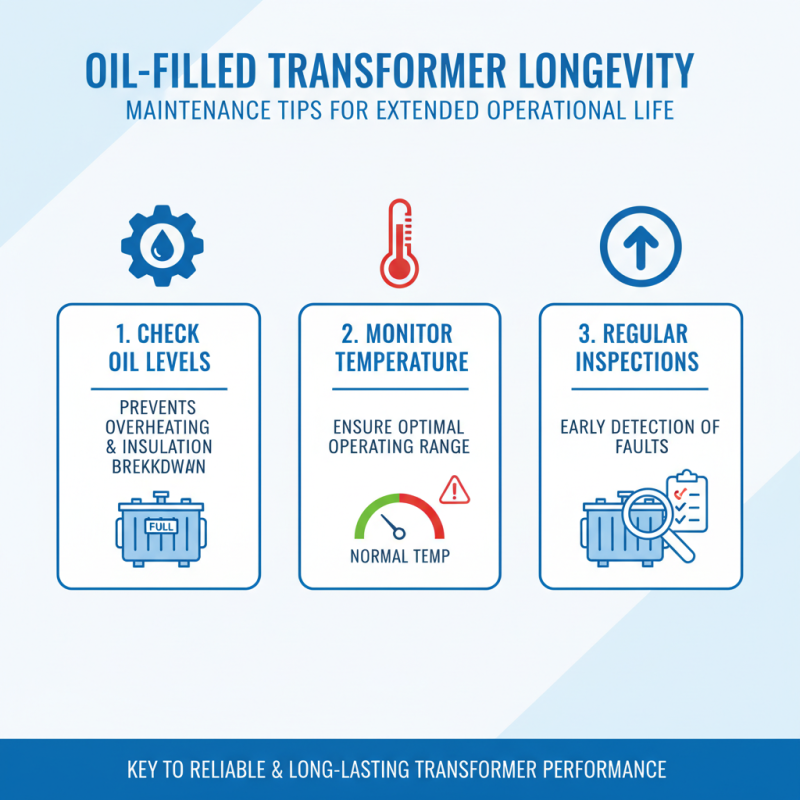
Maintaining oil-filled transformers is vital for their operational efficiency. Regularly checking oil levels is crucial. Low oil levels can lead to overheating. Monitoring the temperature is equally important, as transformers should operate within a specific range. Research indicates that a temperature rise beyond recommended limits can shorten a transformer's lifespan significantly.
Oil quality can deteriorate over time due to contaminants. Testing the oil for dissolved gases, moisture, and acidity is essential. A study by industry experts showed that up to 30% of transformer failures were linked to poor oil quality. Replacing oil regularly can prevent such issues. Additionally, keeping the transformers clean and free from debris can enhance performance.
Periodic inspections are necessary. Look for signs of leakage or unusual noises. These can indicate underlying problems that require immediate attention. For instance, both 200kva and 250kva oil-filled transformers should undergo thorough assessments to ensure reliability. Inconsistent maintenance practices may lead to costly repairs down the line. Encouraging a proactive maintenance approach can mitigate risks and extend the lifespan of these critical assets.
Maximizing Operational Efficiency: Insights from the Latest Industry Reports on High-Efficiency 220kVA Oil Transformers for Heavy-Duty Applications
The 220kVA Oil Immersed Transformer stands out as a critical component in maximizing operational efficiency for heavy-duty applications in various sectors, including industrial, commercial, and infrastructure. This transformer leverages the cooling properties of mineral oil or eco-friendly insulating oil, facilitating stable voltage conversion from high levels, such as 10kV down to a manageable 0.4kV. This capability ensures that Power Distribution remains seamless and reliable, a necessity for the demands of expansive industrial operations.
Constructed with robust materials and incorporating advanced technology, the 220kVA Oil Immersed Transformer is designed to thrive in challenging environments. Its long service life and low maintenance requirements contribute significantly to operational efficiencies, reducing downtime and repair costs. The adaptability of this transformer to harsh conditions means that businesses can rely on dependable power distribution regardless of external factors, thus optimizing their overall productivity and performance in demanding settings. Such attributes highlight the vital role that high-efficiency transformers play in enhancing the reliability and effectiveness of power systems in heavy-duty applications.
FAQS
: They are essential in electrical distribution systems. They cool and insulate, enhancing performance and durability.
Over 60% of power transformers in use are oil-filled. This shows their importance in energy infrastructure.
Regular checks on oil quality are essential. Degraded oil can lead to failures and operational issues.
Yes, oil leaks can pose environmental hazards. Monitoring is crucial to catch problems early.
Capacity, material quality, and operational efficiency are vital for selection. They affect longevity and performance.
Continued advancements can enhance reliability and safety. Current challenges in performance need addressing.
Issues with weight and maintenance arise in certain models. This inconsistency makes careful research important.
Some can extend beyond 25 years with superior materials. Proper choices prevent costly downtimes.
Energy losses during operation can significantly affect performance. Efficient designs minimize these losses.
Experiences vary greatly. Some enjoy longevity, while others find parts sourcing difficult. Understanding specifications is key.
Conclusion
The article provides a comprehensive overview of oil filled transformers, detailing their applications in various industries and the importance of selecting high-quality options. Key factors such as efficiency, durability, and compatibility are highlighted for buyers to consider when making their choice. The discussion also includes a comparison of wholesale prices available for these transformers in 2026, enabling potential customers to make informed purchasing decisions.
Furthermore, the article delves into innovative technologies shaping the design of oil filled transformers, emphasizing advancements that improve performance and sustainability. It also addresses the environmental impact of these devices and offers maintenance tips essential for ensuring their longevity. Overall, the piece serves as a valuable guide for anyone looking to invest in oil filled transformers in the coming years.

 +86 18068001229
  Contact Phone
 Contact Email