
 +86 18068001229


01
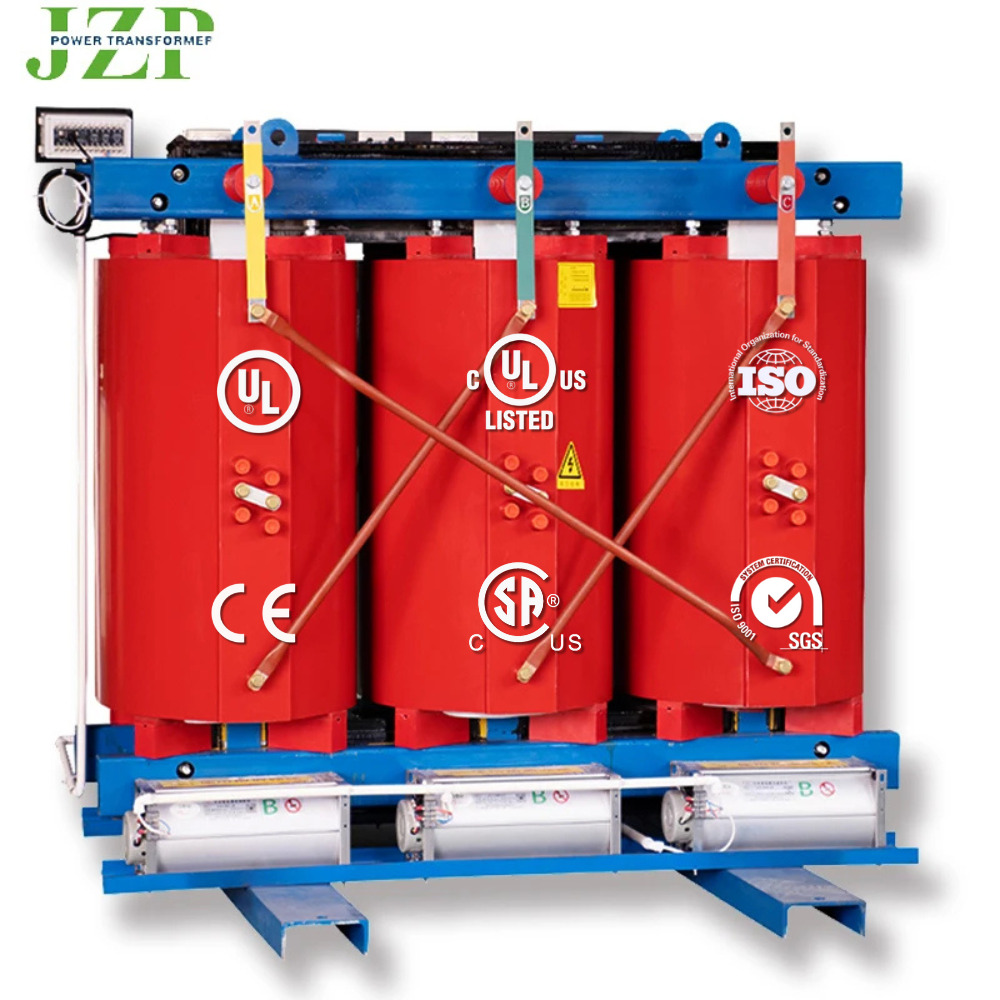
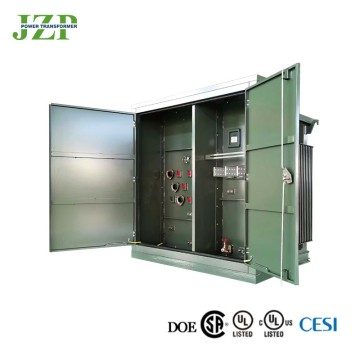
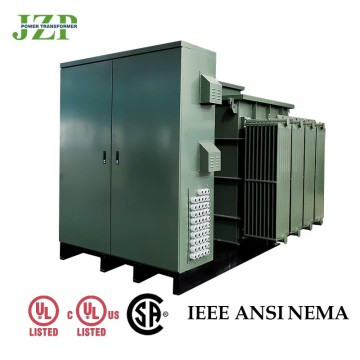
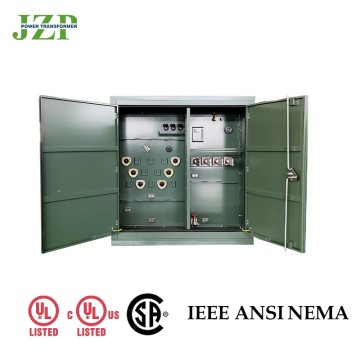
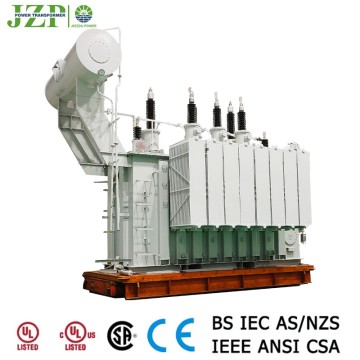
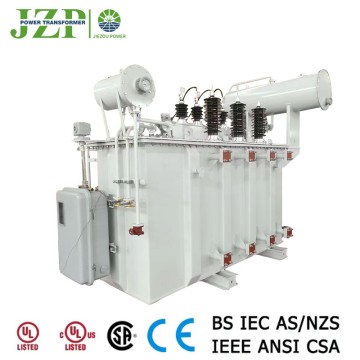
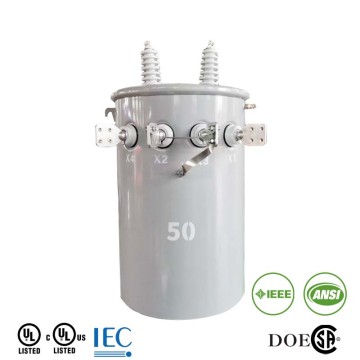
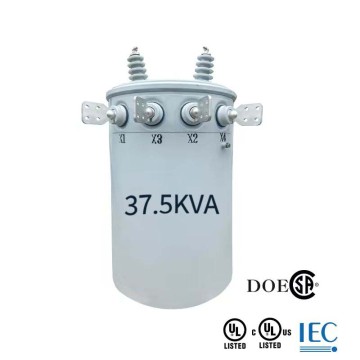
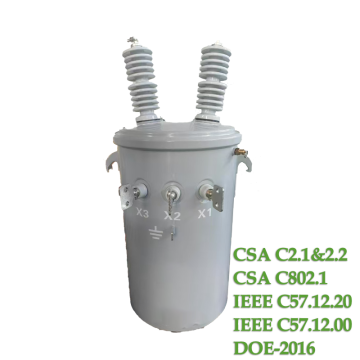
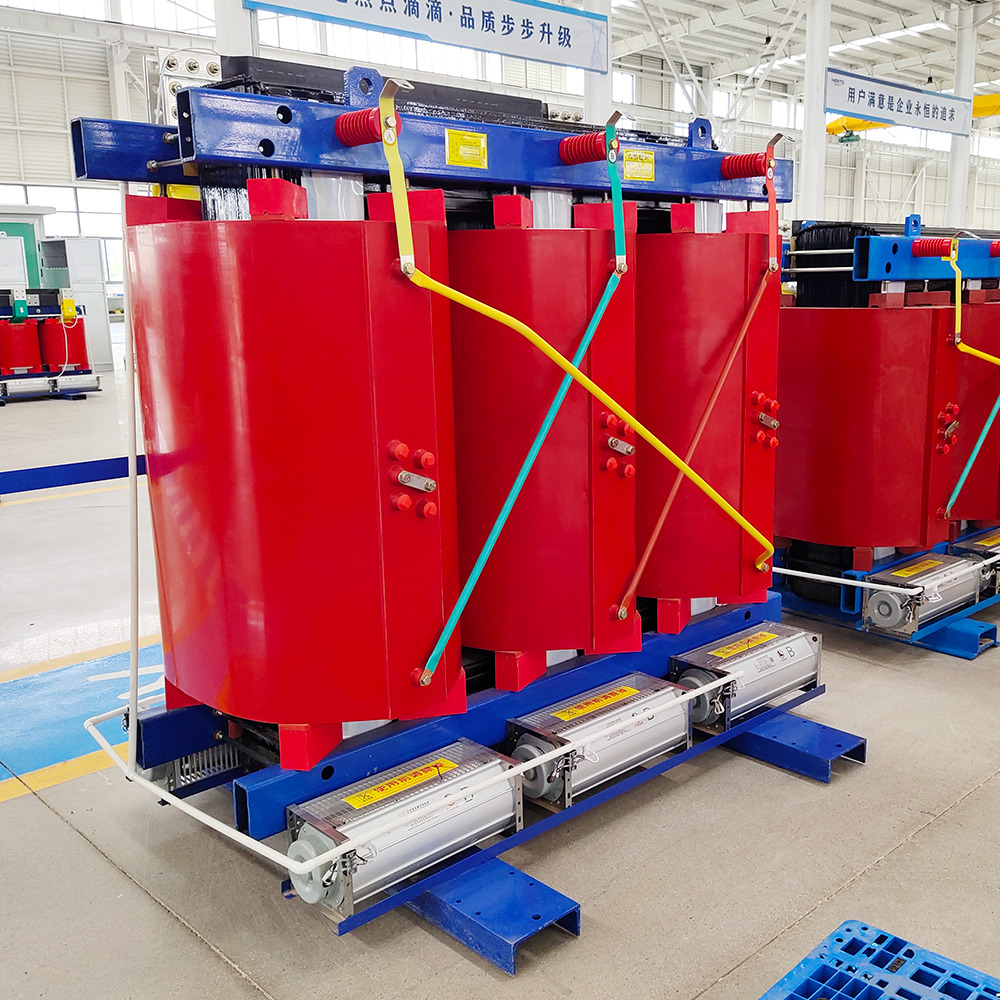
High-Efficiency Dry-Type Transformers
Core Features & Benefits
Fireproof & Eco-Friendly Design
With no flammable oil, dry-type transformers meet stringent fire safety standards (IEC 61558) and are ideal for hospitals, data centers, and residential buildings. Recyclable materials and zero oil leakage ensure environmental compliance.
High Efficiency & Energy Savings
Advanced core materials (amorphous alloy or silicon steel) and optimized winding designs reduce energy losses by up to 30%, achieving efficiency levels ≥98% (IEC 61378 certified). Suitable for continuous operation with minimal heat generation.
Low Maintenance & Longevity
Solid insulation systems resist moisture, dust, and chemical contaminants, reducing maintenance needs. Robust construction withstands harsh conditions, extending service life in industrial or coastal environments.
Compact & Space-Saving
Modular designs and compact footprints simplify installation in urban substations, commercial buildings, or renewable energy sites. Available in voltages from 380V to 36kV and capacities up to 5 MVA.
Smart Monitoring & Safety
Optional IoT sensors monitor temperature, voltage, and load in real time, enabling predictive maintenance. Built-in protection systems (e.g., thermal relays, Buchholz alarms) prevent faults and ensure safe operation.
Applications
Urban Infrastructure: Safe power distribution in high-density areas, malls, and subway systems.
Industrial Use: Stable supply for manufacturing plants, mining operations, and chemical industries.
Renewable Energy: Integration with solar/wind farms for efficient grid connection.
Commercial Buildings: HVAC systems, elevators, and lighting networks.
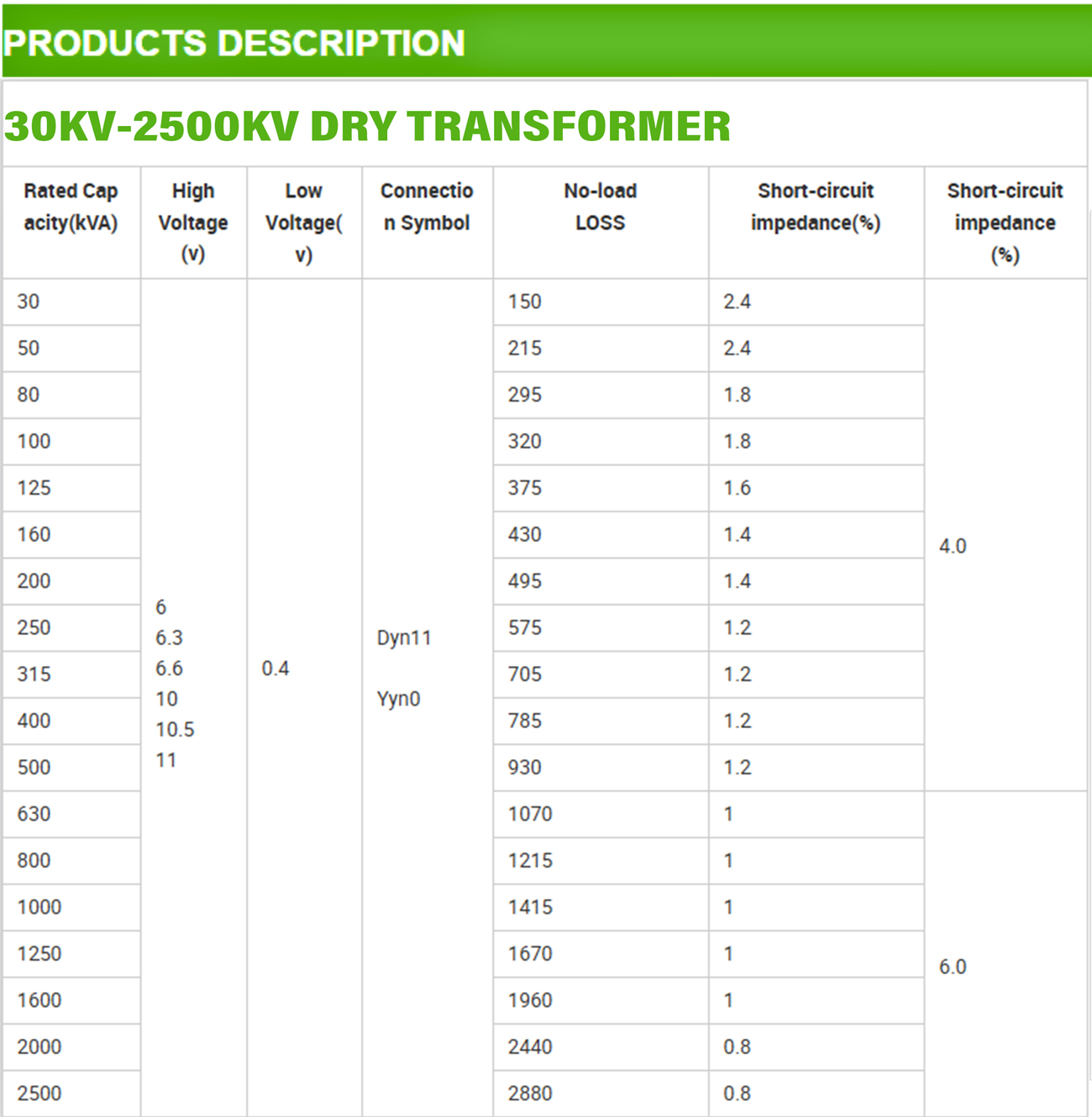
Technical Specifications
Voltage Range: 380V to 36kV (medium voltage).
Capacity: 50 kVA to 5,000 kVA.
Cooling Types: Air Natural (AN) or Air Forced (AF).
Insulation Class: H-class (180°C) for high thermal resilience.
Frequency: 50Hz/60Hz.
Quality Assurance
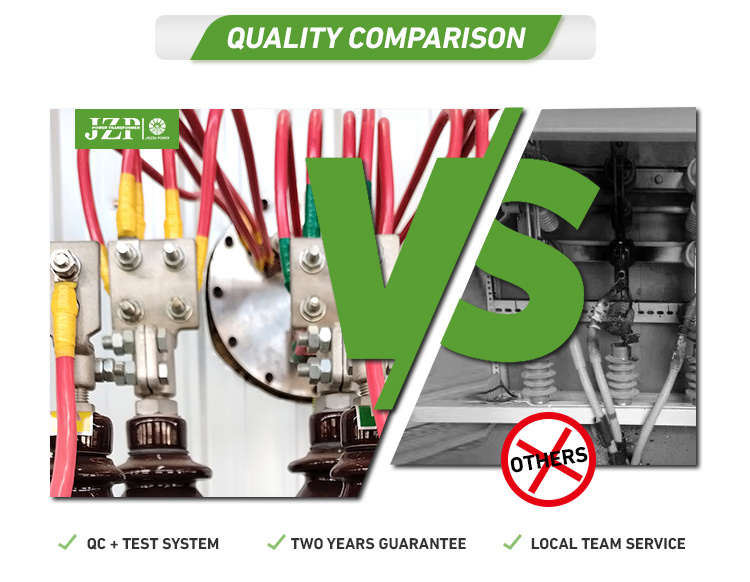
Rigorous testing includes impulse voltage, load loss, and temperature rise simulations.
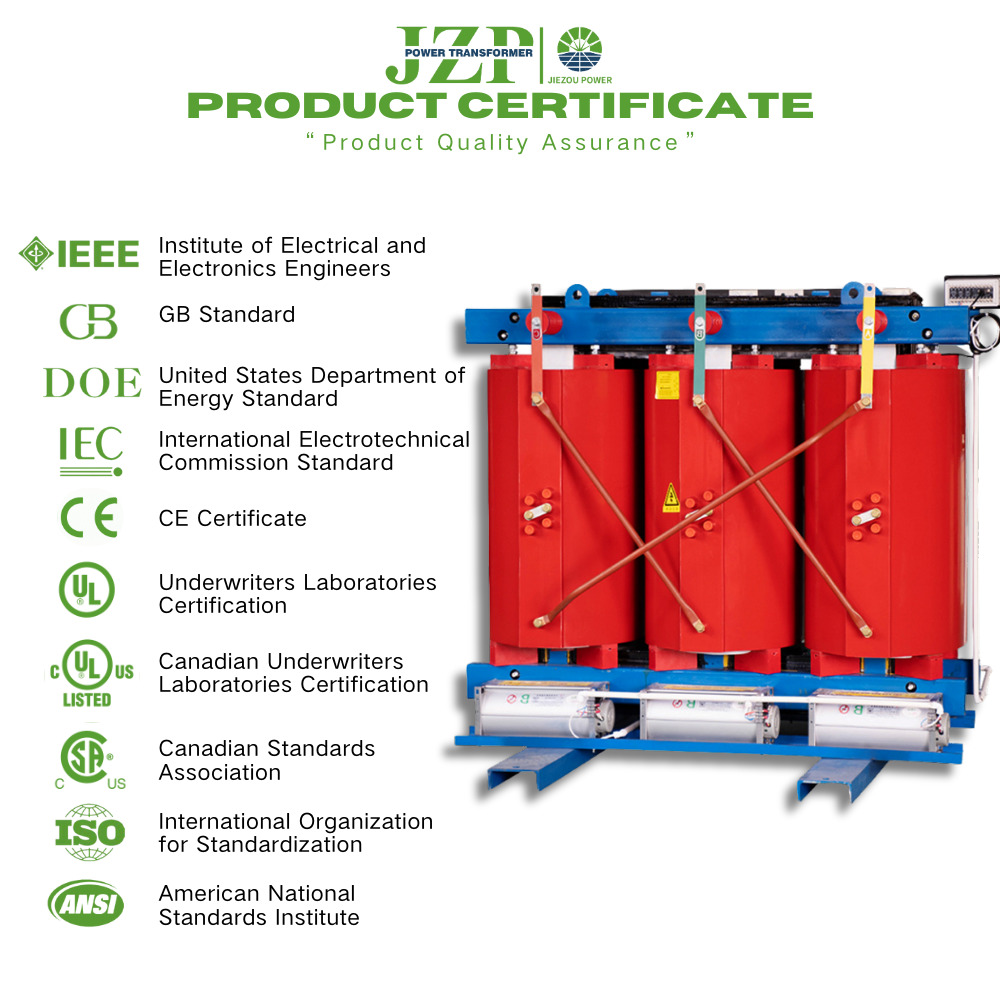
Certified by IEC, IEEE, ISO 9001 (quality), and ISO 14001 (environment).
Why Choose Us?
30+ Years of Expertise: Proven designs for extreme temperatures, humidity, and seismic zones.
Global Support: Localized engineering teams and 24/7 technical assistance.
Cost-Effective Solutions: Scalable designs with flexible financing options.
Custom Solutions
Fire-Resistant & Explosion-Proof Models: For oil/gas facilities or hazardous areas.
Eco-Friendly Designs: Low-noise (<65 dB) and lead-free configurations.
Hybrid Systems: Combined with energy storage for smart grid applications.
Product advantages
1. Core Materials and Winding Design
Core Materials
Amorphous Alloy Cores:
Ultra-low iron loss (70–80% lower than traditional silicon steel), reducing energy waste and operational costs.
High permeability and near-zero magnetostriction minimize noise and vibration, ideal for residential and commercial zones.
Cold-Rolled Grain-Oriented (CRGO) Silicon Steel:
Laser-cut or step-lapped laminations reduce eddy current losses, achieving efficiency levels up to 98% (IEC 60076 standards).
Optimized grain orientation enhances magnetic flux density for high-voltage applications (up to 33kV).
Winding Design
Foil Windings with Resin Impregnation:
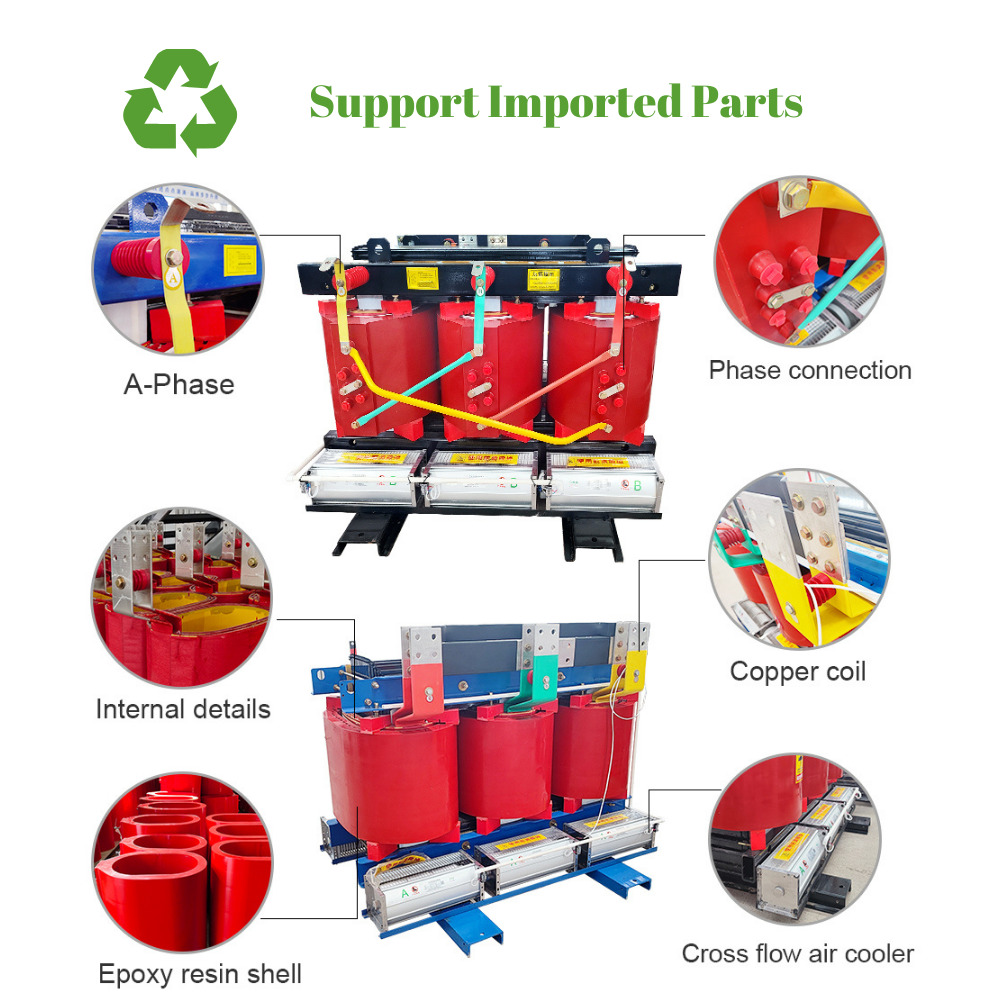
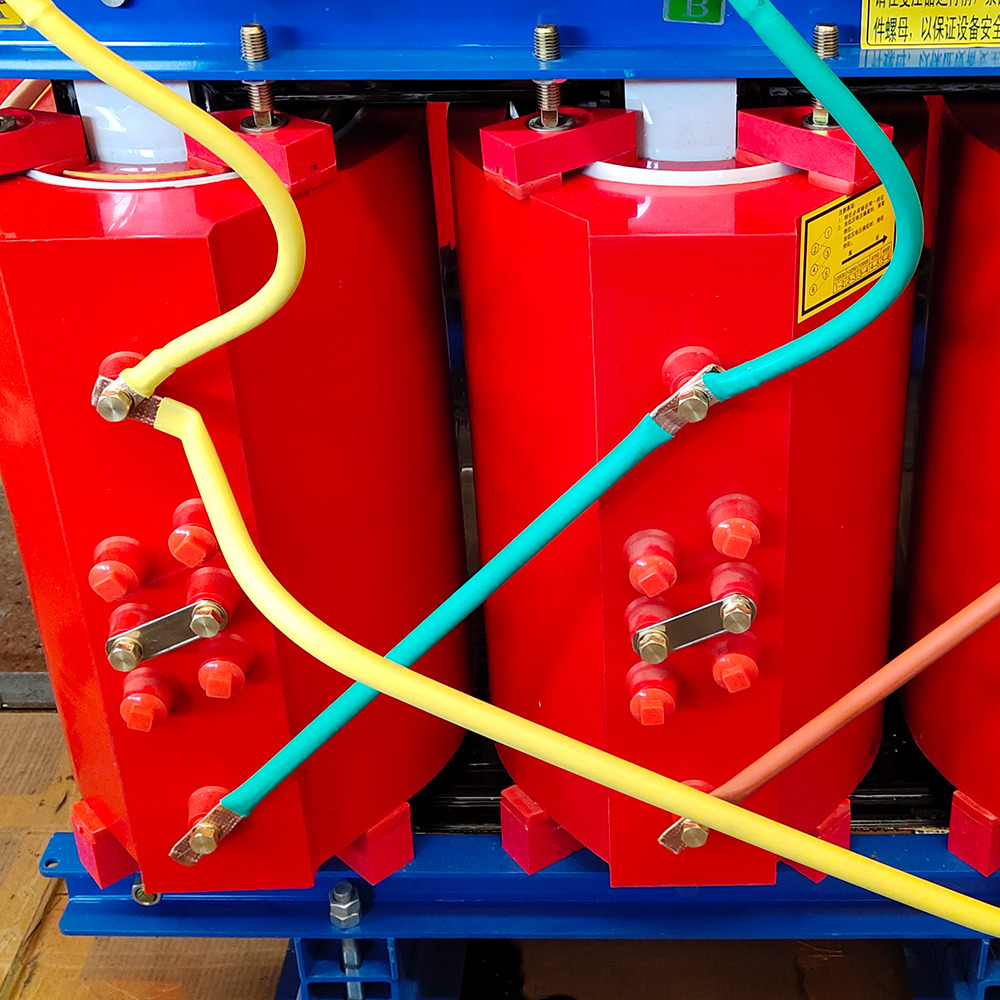
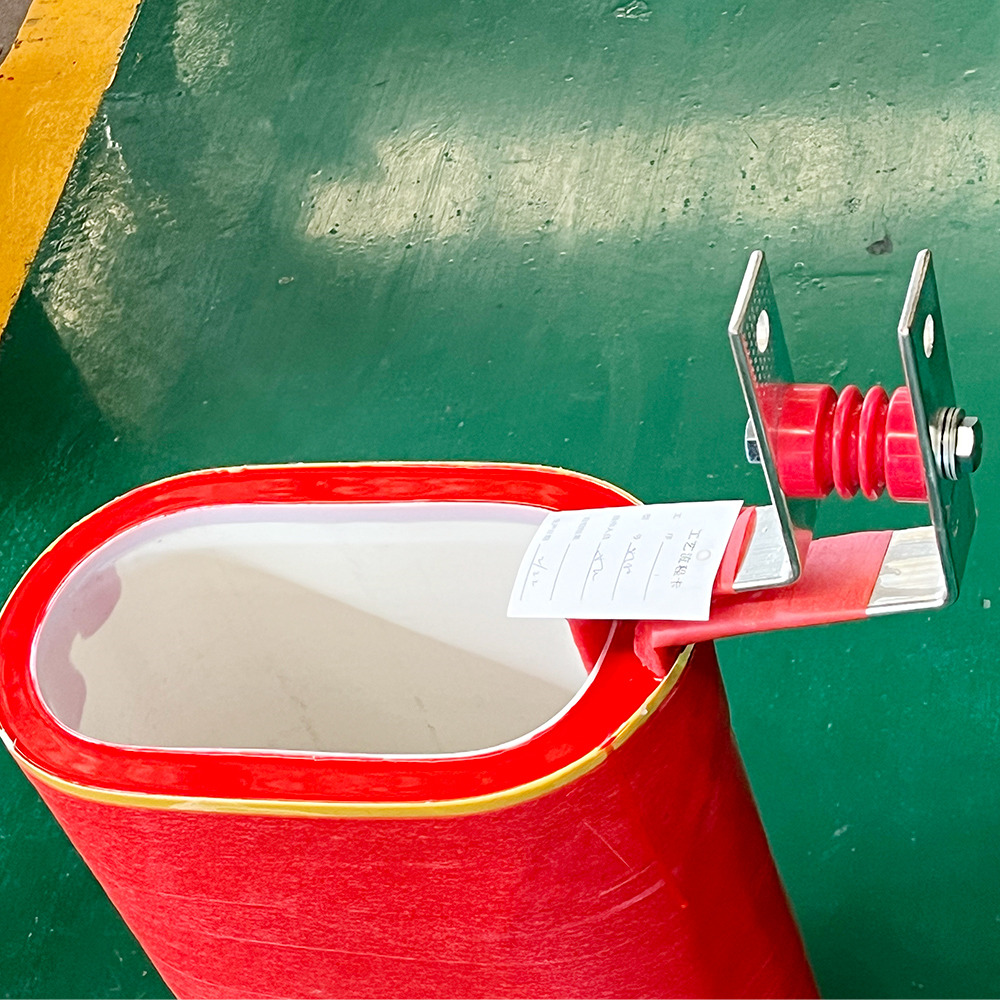
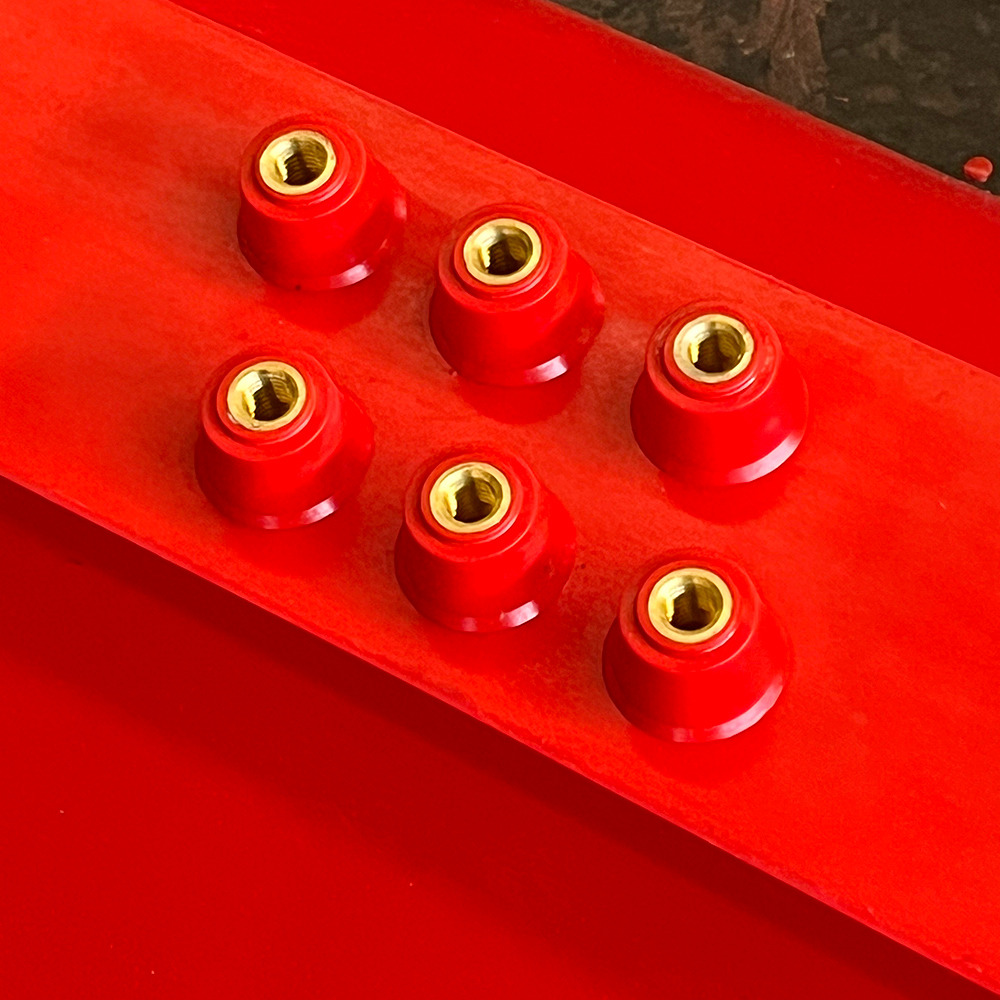
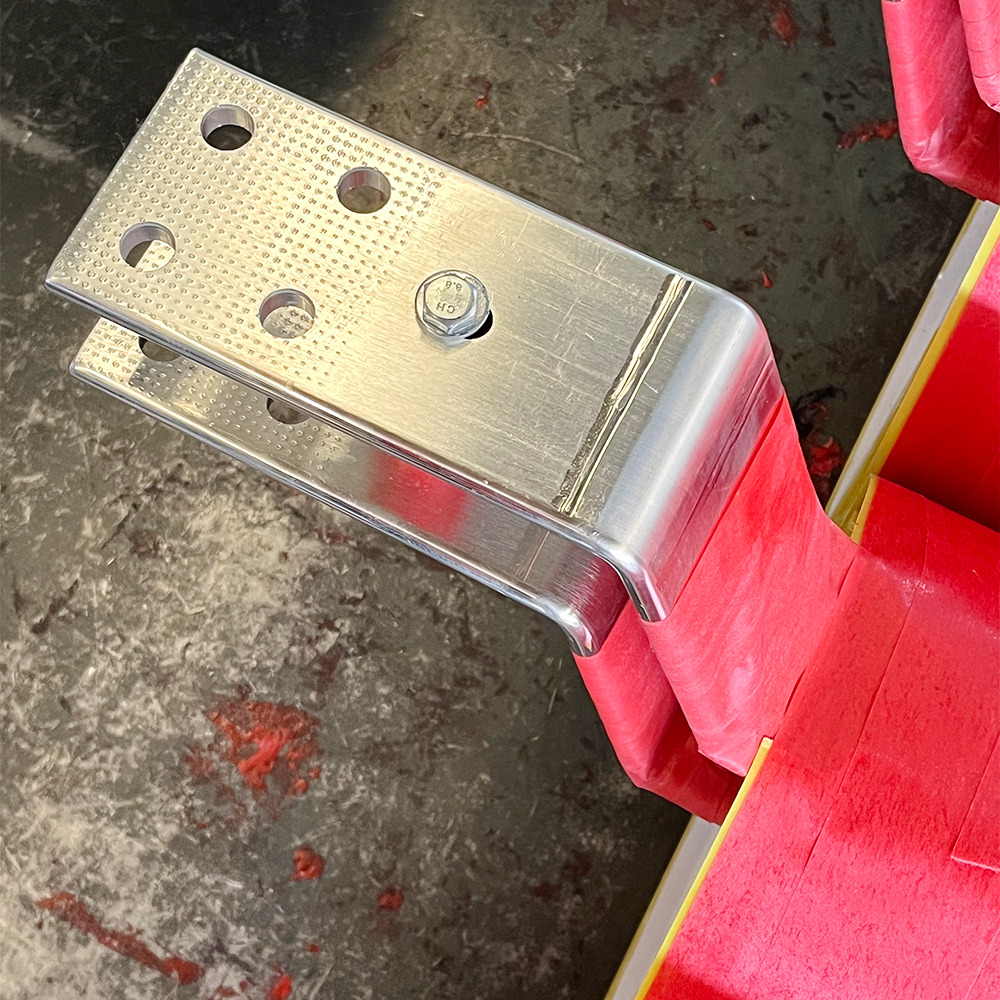
Copper or aluminum foil windings reduce leakage flux and short-circuit forces. Epoxy resin encapsulation enhances mechanical strength and thermal conductivity.
Interleaved layers minimize inter-turn voltage stress, improving short-circuit resilience (up to 50 kA asymmetrical faults).
Layered Litz Wire Windings:
Multi-strand Litz wire mitigates skin and proximity effects, reducing AC resistance in high-frequency applications (e.g., HVDC converters).
Vacuum-Pressure Impregnation (VPI):
Coils are impregnated with high-temperature epoxy or polyester resins, ensuring moisture resistance and dielectric strength up to 200 kV BIL.
2. Insulation Systems
Epoxy Resin Casting:
Solid insulation with Class H epoxy resins provides fire resistance (UL94 V-0 certified) and withstands thermal cycling (−40°C to +155°C).
Superior partial discharge resistance, ideal for polluted or humid environments.
Nomex Paper Composite:
Aramid fiber-based insulation offers high thermal stability (up to 220°C) and dielectric strength, combined with flame-retardant properties.
Nano-Enhanced Insulation:
Silica-filled epoxy composites improve partial discharge lifetime by 40%, extending service life in harsh conditions.
3. Thermal Management
Air-Natural Cooling (AN):
Passive cooling via finned radiators or heat sinks for continuous operation at rated loads (e.g., 500kVA–1.5MVA units).
Forced Air Cooling (AF):
Temperature-controlled fans enhance heat dissipation, enabling 120–150% overload capacity for emergency scenarios.
Smart Thermal Monitoring:
Embedded temperature sensors and IoT systems trigger alarms or cooling adjustments to prevent overheating and insulation degradation.
4. Structural Design and Protection
Modular and Compact Design
Hermetic Enclosures:
IP66/IP67-rated enclosures with EPDM gaskets protect against dust, water, and rodent intrusion, suitable for outdoor or industrial environments.
Anti-Corrosion Coatings:
Hot-dip galvanized steel or aluminum enclosures with polyurethane/powder coatings resist UV degradation and coastal salt exposure.
Fire-Resistant Materials:
Non-combustible insulation and self-extinguishing resin systems meet IEC 60335 fire safety standards.
Safety Features
Pressure Relief Systems:
Automatic pressure relief vents prevent explosive failures during internal faults.
Surge Protection:
Integrated metal oxide arresters (MOA) suppress lightning-induced transients (≥2.5 kA impulses).
Grounding and Spill Prevention:
Reinforced grounding systems and sealed designs eliminate oil leakage risks, ensuring zero environmental contamination.
5. Advanced Functionalality
Condition Monitoring Systems (CMS):
Embedded sensors track winding temperature, partial discharge, and load levels, enabling predictive maintenance via SCADA or IoT platforms.
Smart Grid Integration:
IoT-enabled communication supports remote monitoring, load balancing, and self-healing grid responses.
Eco-Friendly Innovations:
Bio-based insulating resins and recyclable polymer components align with sustainability goals (e.g., RoHS and REACH compliance).
Key Applications and Future Trends
Urban and Commercial Distribution:
High-density units (500kVA–2 MVA) power cities, data centers, and EV charging stations.
Industrial and Renewable Energy:
Ideal for solar/wind farm substations, mining sites, and hazardous areas (Zone 2/22).
Future Advancements:
Solid-State Transformers (SSTs): Enable DC-DC conversion and grid flexibility for decentralized energy systems.
Self-Cooling Nanocomposites: Advanced materials autonomously dissipate heat under fault conditions.
Summary
Dry-Type Transformers excel through low-loss amorphous cores, solid insulation resilience, and smart thermal management. Their fire safety, maintenance-free operation, and eco-friendly designs make them indispensable for modern urban and industrial grids, while innovations like solid-state technology and IoT integration drive grid intelligence and sustainability.

Inquire Now!
For inquiries about our products or pricelist, please leave your email to us and we will be in touch within 24 hours.