+86 18068001229 


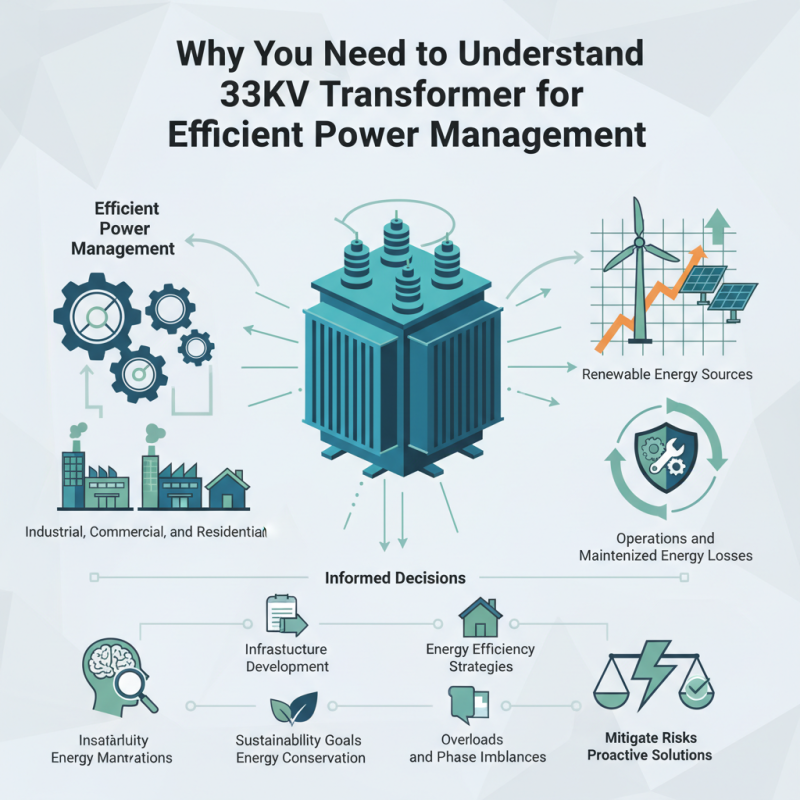
Getting a good grip on how a 33kv Transformer works is pretty key if you want to keep the power flowing smoothly these days. These transformers are kinda like the backbone of our electrical grids — they step up or step down voltage so that everything from factories to homes gets reliable electricity. As energy demands keep climbing and renewable sources start playing a bigger role, knowing what’s happening inside these transformers and how to maintain them isn’t just a nice-to-have anymore; it’s critical for keeping everything running efficiently and cutting down on wasted energy.
Plus, understanding the technical specs and how these transformers function helps engineers and project folks make smarter choices when it comes to building new infrastructure or boosting energy efficiency. This kind of knowledge really gives organizations the power to better manage their energy needs, all while supporting environmental goals—because in today’s world, every bit of conservation counts. And let’s be honest, knowing about potential issues like overloads or phase problems can really help teams take proactive steps and avoid big headaches down the line. All in all, getting to know these 33kV transformers is pretty much essential for modern power management — it’s all about keeping the lights on efficiently and safely.
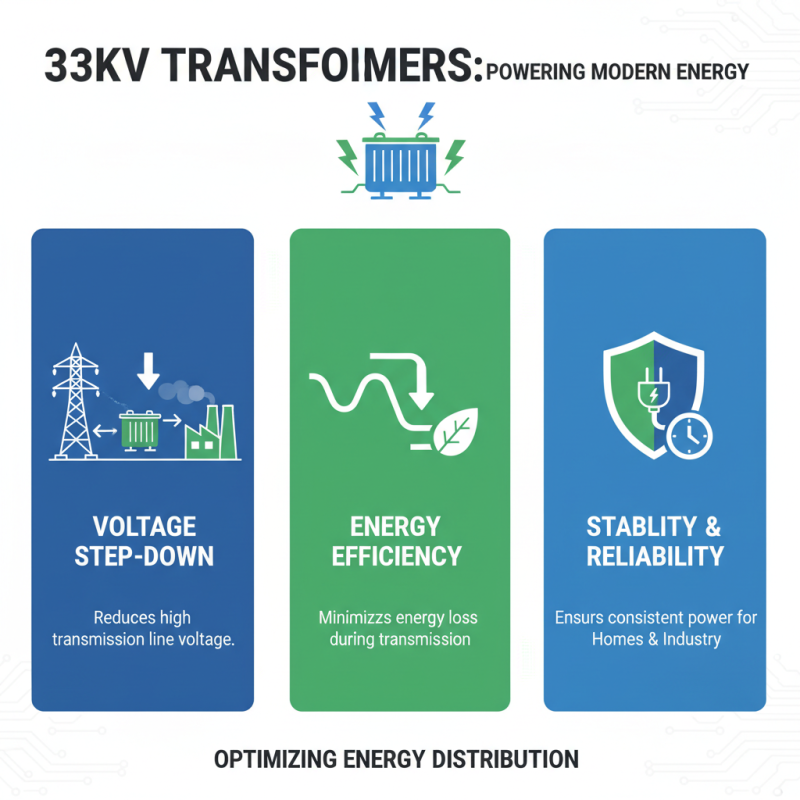
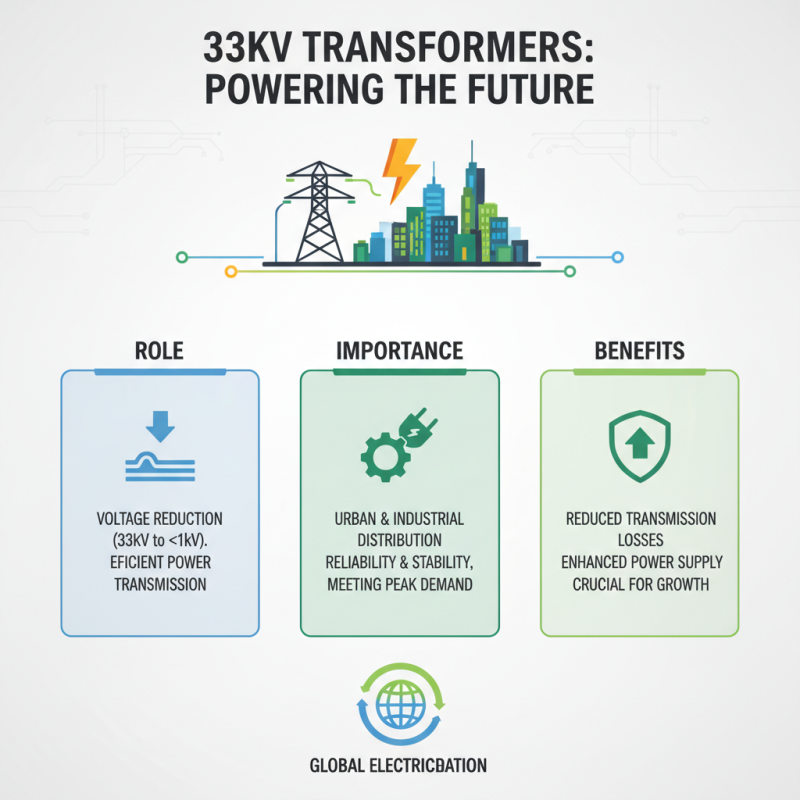
Understanding the importance of 33kV transformers in modern power systems is crucial for optimizing energy distribution and enhancing overall efficiency. These transformers play a vital role in stepping down voltage levels from higher transmission lines, making electricity suitable for consumption. This process not only minimizes energy losses during transmission but also ensures the stability and reliability of power supply, which is essential for both residential and industrial applications.
Furthermore, 33kV transformers facilitate the integration of renewable energy sources into the power grid. As the world shifts towards sustainable energy solutions, the ability to manage variable power generation from sources like wind and solar becomes paramount. By maintaining a reliable voltage level, these transformers help integrate renewable energy effectively, enabling a smooth transition to cleaner energy systems. Thus, understanding the function and significance of 33kV transformers is key for professionals in power management and infrastructure planning, as they support both efficiency and sustainability in modern power systems.
The functionality of a 33kV transformer is pivotal in electrical distribution systems, as it steps down high voltage electricity to a suitable level for local consumption. This voltage transformation is essential for efficient power management, allowing end-users to utilize electricity safely and effectively. The primary function of a 33kV transformer is to ensure that electricity is transmitted with minimal loss while maintaining the quality and reliability required for various applications, from industrial processes to residential usage.
In terms of design principles, a 33kV transformer consists of several key components, including the core, windings, and insulation materials. The core is typically constructed from silicon steel, which enhances magnetic properties while reducing energy losses. The windings, usually made of copper or aluminum, are designed to handle the specific voltage levels and current requirements. Proper insulation is crucial to prevent electrical faults, particularly given the high voltage involved. Moreover, the design must accommodate operational conditions such as temperature variations and potential environmental challenges, which can significantly impact performance and longevity.
Through careful engineering and material selection, 33kV transformers can deliver reliable power while optimizing efficiency in the distribution network.
33kV transformers play a crucial role in Power Distribution networks by facilitating the efficient transmission of electricity from substations to end-users. Their ability to step down high voltage to a more manageable level makes them essential for distributing power in urban and industrial areas. With the increasing demand for electricity, particularly in developing regions, these transformers serve as a vital component in enhancing the reliability and stability of power supply systems. They enable utilities to meet peak load requirements while mitigating losses associated with long-distance transmission.
In addition to enhancing distribution efficiency, 33kV transformers are widely employed in various applications, including industrial facilities, commercial buildings, and large residential complexes. Their robust design allows them to operate effectively in diverse environmental conditions, ensuring a consistent supply of electricity. Furthermore, they are integral to renewable energy integration, helping to manage the output from solar and wind farms. By providing a reliable interlink between generation sources and distribution networks, 33kV transformers contribute to a more resilient power grid and support the transition toward sustainable energy solutions.
Efficient power management is essential for any energy system, and understanding the role of 33kV transformers is crucial in optimizing this process. These transformers serve as critical links in the transmission and distribution of electrical power, stepping down voltage levels to levels suitable for safe and effective use. By efficiently managing energy flow, 33kV transformers help minimize losses during transmission, ultimately leading to lower costs and increased reliability for power systems.
One of the key benefits of utilizing 33kV transformers is their capability to enhance system stability and efficiency. They support higher power capacities while maintaining effective voltage regulation, which is vital for preventing fluctuations that can lead to equipment damage or system failures. Additionally, their design allows for more efficient energy conversion, reducing the overall energy footprint. This not only promotes sustainability but also supports advancements in smart grid technologies, enabling better integration of renewable energy sources and improving overall grid resilience. Understanding these transformers thus empowers power managers to make informed decisions that enhance both economic and environmental outcomes in energy systems.
When selecting a 33kV transformer, there are several key considerations that can significantly impact the efficiency and reliability of power management in your electrical systems. First, understanding the load requirements is crucial. Assessing both the peak and average load will help you determine the optimal transformer size. Additionally, consider the future expansion of your electrical systems, as selecting a transformer that can accommodate potential increases in load can save costs and reduce the need for future upgrades.
Another important factor is the transformer's voltage regulation capabilities. A transformer with good voltage regulation will ensure that the output voltage remains stable, even with fluctuations in load. This stability is essential for the proper functioning of sensitive equipment and overall system performance. Furthermore, evaluate the transformer's efficiency ratings. Higher efficiency transformers reduce energy losses and can lead to significant cost savings over time.
Tips: Always consult with a knowledgeable engineer when selecting a transformer, as they can provide insights into local regulations and environmental considerations. Additionally, consider the installation space and ambient conditions, as these factors will influence the choice of insulation and cooling methods. Finally, prioritize quality over cost; investing in a robust transformer can lead to lower maintenance costs and longer service life.
Understanding the maintenance and reliability of 33kV transformers is crucial for ensuring effective power management in electrical systems. These transformers play a vital role in distributing electricity efficiently across various applications. Regular maintenance practices can significantly extend their lifespan, reduce the likelihood of failures, and ensure stable operations. Implementing routine inspections, including checking connections, insulation integrity, and oil quality, is essential for identifying potential issues before they escalate.
Tips: Always schedule a quarterly inspection of the transformer to monitor its condition proactively. Utilize thermal imaging to detect hot spots that could indicate overloading or faulty connections. Additionally, maintaining proper documentation of maintenance activities helps in tracking performance trends and ensuring compliance with industry standards.
Reliability in 33kV transformers also heavily depends on environmental factors and system design. Factors such as cooling methods, load variations, and external conditions can impact their effectiveness. It's important to ensure that the installation site has adequate ventilation and is protected from extreme weather conditions. By prioritizing these aspects, operators can enhance the reliability of the transformers and ensure the smooth functioning of the power management system.
| Dimension | Description | Importance | Best Practices |
|---|---|---|---|
| Temperature Management | Keeps the transformer within safe operating limits to prevent overheating. | Prevents damage and extends equipment life. | Install cooling fans; monitor temperature regularly. |
| Oil Quality | Ensures the insulating properties of transformer oil are maintained. | Prevents electrical faults and reduces maintenance costs. | Conduct regular oil tests; replace oil when necessary. |
| Load Management | Distributing electrical loads to prevent overloading. | Enhances operational efficiency and reliability. | Use load monitoring tools; schedule maintenance during low usage. |
| Regular Inspections | Routine checks for physical and operational integrity. | Identifies issues before failures occur. | Establish a maintenance schedule; document findings. |
| Environment Monitoring | Assessing external conditions affecting transformer performance. | Helps in planning protective measures. | Implement weatherproofing; establish emergency protocols. |
As the demand for reliable and efficient power continues to rise, understanding the advancements in 33kV transformer technologyis crucial for effective power management. Industry reports indicate that the global market for medium Voltage Transformers is projected to reachUSD 18.61 billion by 2025, emphasizing the growing significance of optimizing energy distribution systems. The latest developments, such as the integration of smart grid technologies, enable better monitoring and management of power flow, ultimately enhancing efficiency and reducing operational costs.
One prominent trend in 33kV transformer technology is the shift towards digitalization. The adoption of Internet of Things (IoT) devices and advanced monitoring systems allows for real-time data collection and analysis, facilitating proactive maintenance and minimizing downtime. According to a recent survey by the International Energy Agency, about 65% of energy companies are investing in digital solutions to improve grid reliability and resilience. Embracing these innovations not only ensures efficient power management but also aligns with sustainability goals.
Tips: To stay ahead in power management, consider implementing predictive maintenance strategies using advanced data analytics. Regular training for personnel on the latest technologies can also enhance operational efficiency. Additionally, investing in energy-efficient transformers can yield significant long-term savings and contribute positively to your organization’s environmental footprint.
: The primary function of 33kV transformers is to step down voltage levels from higher transmission lines, making electricity suitable for consumption and enhancing overall energy distribution efficiency.
They minimize energy losses during transmission by maintaining stable voltage levels, which helps ensure a reliable power supply for both residential and industrial applications.
They facilitate the integration of renewable energy sources like wind and solar by maintaining a reliable voltage level, which is essential for managing variable power generation.
33kV transformers are commonly used in industrial facilities, commercial buildings, and large residential complexes, where electricity distribution is essential.
They are crucial for efficiently transmitting electricity from substations to end-users, enhancing the reliability and stability of power supply systems, especially in urban and industrial areas.
They enable utilities to meet peak load requirements by allowing for effective power distribution while mitigating losses associated with long-distance transmission.
Their robust design allows them to operate effectively in diverse environmental conditions, ensuring a consistent electricity supply regardless of external factors.
By providing a reliable interlink between generation sources and distribution networks, they contribute to a more resilient power grid and support the transition towards sustainable energy solutions.
They address challenges such as energy losses during transmission, reliability of power supply, and the integration of renewable energy sources into the grid.
Understanding the function and importance of 33kV transformers is essential for optimizing energy distribution and planning infrastructure effectively, promoting both efficiency and sustainability in power systems.
Understanding 33kV transformers is vital for efficient power management in modern power systems. These transformers play a crucial role in transforming voltage levels and ensuring stability within power distribution networks. With an in-depth look at their functionality and design principles, it becomes evident that 33kV transformers are integral to the operation of electrical grids, enhancing reliability and performance.
The applications of 33kV transformers in power distribution networks showcase their importance in delivering electricity effectively. Their advantages also extend to improved energy efficiency and reduced operational costs, making them essential for sustainable energy management. Key considerations for selecting the right 33kV transformer include factors such as capacity, efficiency, and maintenance requirements, which directly impact reliability and long-term performance. As technology evolves, future trends in 33kV transformers hint at further enhancements in efficiency and monitoring, paving the way for smarter power management solutions.