Leave Your Message
0%

Picking the right Prefabricated Substation can definitely feel a bit overwhelming sometimes. I mean, with so many options out there, it’s easy to get lost. John Smith over at Energy Solutions once pointed out, “Getting the right substation is key to keeping things running smoothly and efficiently.” That really hits home — making smart choices here is super important.

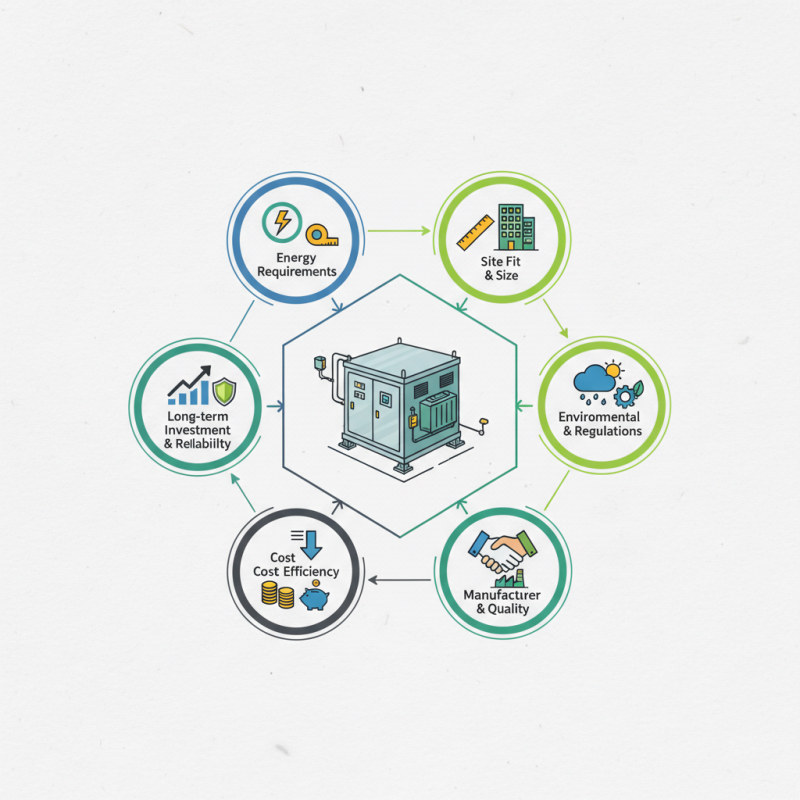
There’s a lot to think about, though. First off, you wanna make sure you understand what your energy needs actually are. How much power do you need? Will it fit nicely on your site? These are the kinds of questions that can easily be overlooked but are pretty crucial. Oh, and don’t forget about the environmental stuff — weather conditions, local rules — they all play a role in what you should go with.

Take your time checking out different manufacturers too. The quality of materials and how reliable they are really make a difference — you might never realize until you’ve used them for a while. And hey, don’t just go for the cheapest option right away. Sometimes that can lead to hidden costs or performance hiccups later on. Remember, choosing a good Prefabricated Substation isn’t just a purchase — it’s an investment in how smoothly your operations run in the long run.
How to Choose the Right Prefabricated Substation for Your Needs?

Understanding Prefabricated Substations and Their Benefits

Prefabricated substations are efficient energy solutions. They offer many benefits over traditional setups. These modular units arrive on-site ready for installation, which saves time and labor costs. Their compact design allows for better space utilization. With advancements in technology, they become more customizable to fit specific needs.

Consider whether your site has space limitations. If so, prefabricated substations can be a great choice. They are often designed to occupy less area while still functioning efficiently. Additionally, their quicker installation means you can get your operations running faster.

Tips: Assess your energy requirements carefully. Make sure to evaluate the load capacity you need. Research local climate factors too. Prefabricated substations must withstand various weather conditions. They are built to endure. However, the right choice depends on understanding your specific environment and requirements.

How to Choose the Right Prefabricated Substation for Your Needs?

Dimension Description Benefits
Size Available in various sizes based on power requirements Custom fit for space and load needs
Configuration Can be configured for single-phase or three-phase systems Optimizes efficiency and functionality
Material Typically made of steel, aluminum, or fiber-reinforced polymer Durability and low maintenance requirements
Installation Time Can often be installed in a matter of days Reduces downtime for electrical infrastructure
Transportability Designed for easy transportation to various sites Flexibility in deployment
Cost Generally more cost-effective than traditional substations Reduces initial investment and operating costs
Energy Efficiency Can incorporate modern, energy-efficient technologies Reduces energy losses and operational costs

Identifying Your Power Needs and Requirements

When selecting a prefabricated substation, understanding your power needs is crucial. Start by assessing your current energy demand. How much power do you require? Consider peak loads and any anticipated growth. These figures will guide you in determining the size and capacity of the substation. It’s easy to underestimate, leading to potential power shortages later on.

Next, analyze the specific requirements of your operation. Will you need backup power supplies? What voltage levels are necessary? Think about the connections to existing infrastructure. Sometimes, it’s wise to consult with experts to ensure you’re not missing vital details. Misjudging these needs can result in costly adjustments after installation.

Finally, take time to reflect on your long-term goals. What are your future expansion plans? Are they realistic or overly optimistic? Balancing immediate needs with future possibilities can be challenging. Remember, a substation is a significant investment. Making informed choices now can save headaches later.

Evaluating Space and Site Conditions for Installation

When evaluating space and site conditions for a prefabricated substation, it's essential to analyze the area carefully. Measure the available land, accounting for all utilities. This helps create an efficient layout. Think about accessibility for maintenance. Is there enough space for machinery and personnel? These factors are often overlooked but crucial for smooth operations.

Local regulations may also impact installation. Check zoning laws and safety codes. Sometimes, the ideal location may not be feasible due to restrictions. Consider environmental factors too. Does the site prone to flooding or heavy winds? These conditions can affect the structural integrity of your Prefabricated American Box Substation.

Planning around these elements can be complex. Perhaps you find that the initial site choice isn’t ideal after more analysis. Be prepared for adjustments. Heightened vigilance during the evaluation phase saves time and costs later on. Balancing space constraints with operational needs requires thoughtful consideration. Take your time, as rushing could lead to errors.

Comparing Types of Prefabricated Substations Available

When selecting a prefabricated substation, understanding the types available is crucial. Prefabricated substations come in various forms. There are containerized substations that are compact and often mobile. These units can easily fit into urban settings. The design allows for quick deployment. However, they may lack some advanced features found in larger units.

Another option is modular substations. These provide scalability and flexibility in design. They can be expanded as needed. Yet, their complexity could lead to challenges during installation. Some users find them overwhelming. Traditional substations still play a role. They offer robust performance but require more space and time to set up. It's essential to weigh the space against output capacity.

Finally, consider your specific needs and location. Each type has its pros and cons. Some might not fit your long-term plans. Assessing these factors carefully can prevent costly mistakes later. A hasty decision might lead to inadequate service. Take your time to ensure you choose wisely.

Assessing Quality Standards and Compliance for Your Project

When selecting a prefabricated substation, quality standards are crucial. Compliance ensures reliability and safety. Assess the materials used in the Mv Hv Substation. Are they durable? Check for certifications that verify quality. This step can save future costs and delays.

Next, review design specifications. Many projects fail due to overlooked details. A suitable Mv Hv Substation should meet your specific operational needs. Ask about custom features and flexibility. Consider if it can adapt to future changes. It's worth reflecting on how adaptable your choice will be.

Finally, engage with your suppliers. Clear communication is essential. Discuss quality checks and processes. Being proactive allows you to identify potential issues early. A collaborative approach fosters better understanding and results.

Analyzing Cost Factors and Budgeting for Your Substation

When budgeting for a prefabricated substation, consider the construction and installation costs thoroughly. Recent industry reports indicate that average costs range from $350,000 to $1 million. This variation depends on factors like size and customization needs. The Koisk Substation, often favored for its modular design, can help reduce overall expenditure.

Another vital factor is maintenance expenses. Regular upkeep can add 5% to 10% annually to your budget. This aspect often gets overlooked. Each substation type has distinct requirements and associated costs. For instance, a larger setup may require specialized services, which can inflate operational costs quickly.

Energy efficiency is essential, affecting both short-term and long-term budgets. Reports show that energy-efficient substations reduce operational costs by up to 20%. However, installation costs may rise, presenting a dilemma. Weighing the initial investment against potential savings is crucial. Substations can be a significant financial commitment. Early-stage calculations often fall short. Balancing cost, efficiency, and customization will guide better choices.

Choosing a Reliable Manufacturer and Supplier for Your Substation

How to Choose the Right Prefabricated Substation for Your Needs?

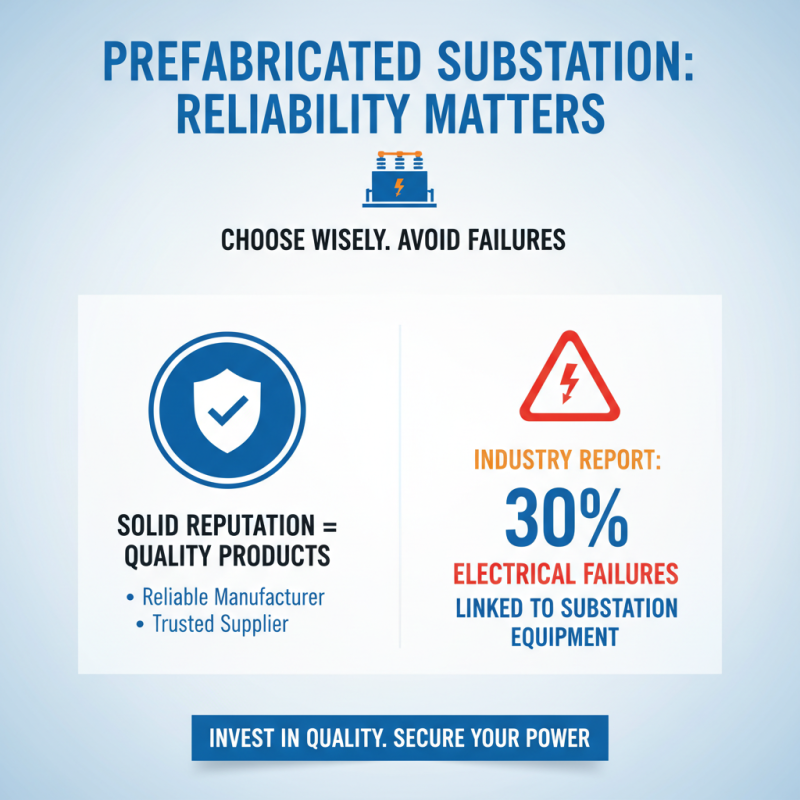
When selecting a prefabricated substation, choosing a reliable manufacturer and supplier is crucial. A solid reputation often indicates high-quality products. According to industry reports, roughly 30% of electrical failures are linked to substation equipment issues. This statistic highlights the importance of investing in quality providers.

You should examine suppliers' certifications and industry standards. For example, compliance with ANSI and IEEE standards ensures safety and reliability. It's essential to verify that manufacturers produce components like the American Type Substation, which are designed for resilience and efficiency. Engaging with past clients can provide insights into reliability and service quality.

However, not all promises are kept. Some suppliers may cut corners to reduce costs. This can lead to long-term maintenance problems. A detailed assessment of warranties and service agreements is vital. Always ask about the specific materials used in construction and their expected lifespan. Reflection on these elements can help you avoid costly mistakes and ensure a successful project.

FAQS

: What is the main purpose of the article?

: The article provides information on a specific topic to inform and educate readers.

Who is the target audience for this information?

The target audience includes individuals interested in learning about the topic discussed.

How can the information be applied in real life?

Readers can use the insights to improve their understanding and make informed decisions.

Are there any potential drawbacks mentioned?

Yes, some points suggest challenges that may require further consideration or reflection.

What should readers be cautious about?

They should critically analyze the information and seek multiple perspectives.

Is there any emphasis on personal experiences?

The article includes anecdotes that highlight individual reactions and growth related to the topic.

How is the content structured?

The content is organized into sections to enhance clarity and readability for the audience.

What emotions might the topic evoke?

The topic may elicit curiosity, skepticism, or even discomfort in some readers.

What kind of details does the article provide?

It shares specific examples and practical insights relevant to the subject matter.

What is one area where further reflection is needed?

Readers may need to think about how the information applies to their personal beliefs and experiences.

Conclusion

Choosing the right prefabricated substation involves a comprehensive understanding of its benefits and how it aligns with your specific power needs. Begin by assessing your energy requirements, considering the space available for installation, and evaluating site conditions that may affect the placement and performance of the substation.

It's essential to compare the various types of prefabricated substations on the market, ensuring they meet necessary quality standards and compliance regulations. Additionally, analyzing cost factors and budgeting appropriately will help you make an informed decision. Finally, selecting a reliable manufacturer or supplier is crucial to ensure the long-term functionality and reliability of your prefabricated substation, enabling a seamless integration into your energy infrastructure.
Emma

Emma

Emma is a professional marketer at JEZOU POWER, a leading designer, manufacturer, and installer of power system solutions worldwide since its inception in 1989. With an expansive facility covering 200,000 square meters, JEZOU POWER is recognized for its advanced design concepts and refined......
Previous Navigating the 2025 Technology Trends in Electrical Engineering Through Best Three Phase Dry Type Transformers